

Introduction
Selecting the right tapping tool is an important decision in precision manufacturing. Thread quality affects component fit, mechanical movement, assembly reliability, and the overall performance of industrial equipment. When manufacturers produce threaded components for lead screws, machine tools, lifting systems, and positioning mechanisms, choosing suitable tooling helps maintain consistent production standards.
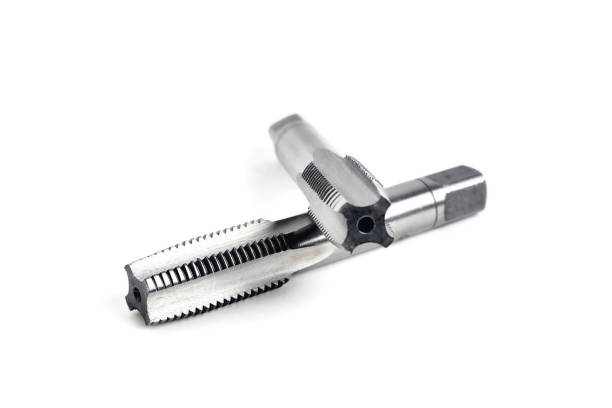
An Acme Tap is designed to create internal ACME threads, which have a trapezoidal profile and a 29-degree included thread angle. These threads are commonly used in applications where controlled linear movement and power transmission are required. However, selecting the correct tool involves more than matching a nominal diameter. Manufacturers must consider thread specifications, workpiece materials, hole depth, tool configuration, machining conditions, and supplier support.
Gaugestools offers ACME and Stub ACME tapping options for industrial applications. Understanding the following seven factors can help buyers choose tooling that matches their manufacturing requirements.
1. Confirm the Thread Specifications
The first step is to identify the exact thread specification required for the component. Important details include the nominal diameter, pitch or threads per inch, thread series, and applicable standard. These specifications determine whether the finished thread will engage correctly with its mating component.
Manufacturers should also distinguish between standard ACME and Stub ACME threads. Although both have trapezoidal profiles, their thread proportions differ. Choosing the wrong series can result in incompatible components, assembly difficulties, or rejected parts.
Before selecting a tool, review the engineering drawing and verify the required dimensions. If the application specifies a particular tolerance or class of fit, communicate that information clearly to the supplier. Accurate specifications reduce uncertainty and help ensure that the selected tooling is appropriate for the intended application.
2. Evaluate the Workpiece Material
The material being machined has a significant influence on cutting performance, tool wear, and finished thread quality. Aluminum alloys, carbon steel, stainless steel, and other engineering materials have different hardness levels, cutting characteristics, and tendencies to produce chips.
High-speed steel (HSS) is a common material used for cutting tools because it provides a useful balance of toughness, hardness, and wear resistance. HSS-E, which contains additional alloying elements such as cobalt, may be suitable for more demanding machining conditions, depending on the specific tool design and workpiece.
When choosing an Acme Thread Tap, consider the material’s machinability, production volume, and operating conditions. The supplier’s recommendations can help determine the appropriate tool material and cutting parameters. Selecting tooling that suits the workpiece can improve consistency and reduce unnecessary replacements.
3. Select the Correct Tap Configuration
Different tapping configurations are designed to address different machining requirements. Understanding their purposes helps manufacturers choose a tool that can reach the required thread depth without compromising the workpiece.
Taper taps have a longer, gradual cutting lead that can help initiate threading. Plug taps have a shorter lead and may be used for general threading operations. Bottoming taps are designed to produce threads closer to the bottom of suitable blind holes, although the achievable depth depends on the hole design and tool geometry.
Through-holes and blind holes therefore require different considerations. A through-hole may allow chips to pass through, while a blind hole needs adequate space for chip accumulation and removal.
Gaugestools lists ACME and Stub ACME tapping options, including different configurations. Buyers should confirm the available design and select one based on the machining sequence, hole geometry, and required finished thread.
4. Check Thread Depth and Hole Preparation
Thread depth is another important consideration, particularly when manufacturing components with blind holes. The finished thread must provide sufficient engagement while leaving appropriate clearance at the bottom of the hole.
Before tapping, manufacturers should establish the correct hole diameter according to the thread specification and workpiece material. An undersized hole can increase cutting forces and raise the risk of tool breakage. An oversized hole may produce shallow or incomplete thread engagement.
The drilled hole should also be clean and properly aligned. Misalignment can cause uneven thread formation, poor engagement, or damage to the cutting tool. For blind holes, operators should account for the drill point, tap lead, and space needed for chips.
Careful preparation helps maintain dimensional accuracy and reduces the likelihood of scrapped components. Following the tool manufacturer’s recommendations is especially important when working with difficult materials or deeper threads.
5. Consider Machining Conditions and Tool Life
Cutting speed, feed rate, lubrication, and chip evacuation all affect tapping performance. Incorrect operating conditions may lead to excessive heat, rough thread surfaces, premature wear, or tool failure.
The appropriate settings depend on the tool material, workpiece, thread size, machine capability, and tapping method. Manufacturers should avoid applying one set of parameters to every material or thread specification.
Chip control is particularly important in blind holes because accumulated chips can increase resistance and damage the finished thread. Suitable lubrication, where recommended, can help reduce friction and improve cutting performance. Operators should also inspect tools regularly for wear or damage.
A well-maintained Acme Thread Tap can support consistent production when used under appropriate conditions. However, service life depends on the complete machining process rather than the tool alone. Monitoring tool performance allows manufacturers to replace worn tooling before quality problems spread across a production batch.
6. Verify Accuracy and Inspection Requirements
Producing a thread is only one part of the manufacturing process. The finished component must also meet the dimensional and functional requirements specified by the design.
Manufacturers should determine how the completed threads will be inspected before production begins. Depending on the application, inspection may involve suitable thread gauges, dimensional measurement equipment, or other methods required by the applicable standard and quality plan.
The inspection equipment must match the thread form, size, tolerance, and acceptance criteria. Using an unsuitable gauge can lead to incorrect acceptance or rejection of components.
Buyers should also consider calibration requirements and documentation. Where traceability is necessary, they should confirm whether the supplier can provide appropriate calibration records or certificates for the relevant products.
Gaugestools supplies thread-related tooling and inspection products for industrial applications. Reviewing both manufacturing and inspection requirements helps buyers develop a more complete approach to thread quality.
7. Assess Supplier Reliability and Technical Support
A suitable supplier should do more than provide a tool with the correct nominal size. Clear product information, consistent communication, technical guidance, and dependable availability can all influence purchasing decisions.
Before selecting a supplier, verify its ability to meet the required thread specification, tool configuration, and material requirements. Ask about available sizes, lead times, product documentation, and support for specialized applications. For custom requirements, confirm the specifications and manufacturing capabilities before placing an order.
It is also useful to consider whether the supplier offers complementary inspection equipment. Access to relevant thread gauges can simplify procurement and help manufacturers coordinate their production and quality control processes.
Gaugestools provides ACME and Stub ACME tapping options alongside thread inspection products. Manufacturers can review its product range and contact the company to discuss the specifications relevant to their applications.
Conclusion
Choosing the right tapping tool requires a clear understanding of the thread specification, workpiece material, tool configuration, hole depth, machining conditions, inspection requirements, and supplier capabilities. Evaluating these seven factors helps manufacturers reduce selection errors, improve production consistency, and support reliable component assembly.
Rather than choosing tooling based on size alone, buyers should assess the complete application and confirm that the selected product meets the required technical specifications. Careful planning and suitable inspection practices help maintain thread quality throughout production.
Frequently Asked Questions (FAQ)
1. What is an ACME tap used for?
It is used to create internal ACME threads commonly found in lead screws, lifting mechanisms, machine tools, positioning systems, and power transmission equipment.
2. What is the difference between standard ACME and Stub ACME threads?
The two thread forms have different proportions. Stub ACME threads have a shallower profile and are selected when the application design calls for a reduced thread depth.
3. How do I choose the correct tap size?
Check the engineering drawing, nominal diameter, pitch, thread series, tolerance requirements, workpiece material, and required thread depth before selecting a tool.
4. Why is hole preparation important before tapping?
Correct hole sizing and alignment help control cutting forces, support proper thread engagement, and reduce the risk of tool damage or defective threads.
5. How can I maintain consistent thread quality?
Use suitable tooling and machining parameters, manage chips effectively, inspect tools for wear, and verify finished threads with appropriate inspection equipment.
6. Where can I find ACME tapping tools for industrial applications?
You can review the ACME and Stub ACME tapping range at Gaugestools and confirm the available configurations and specifications for your manufacturing requirements.