
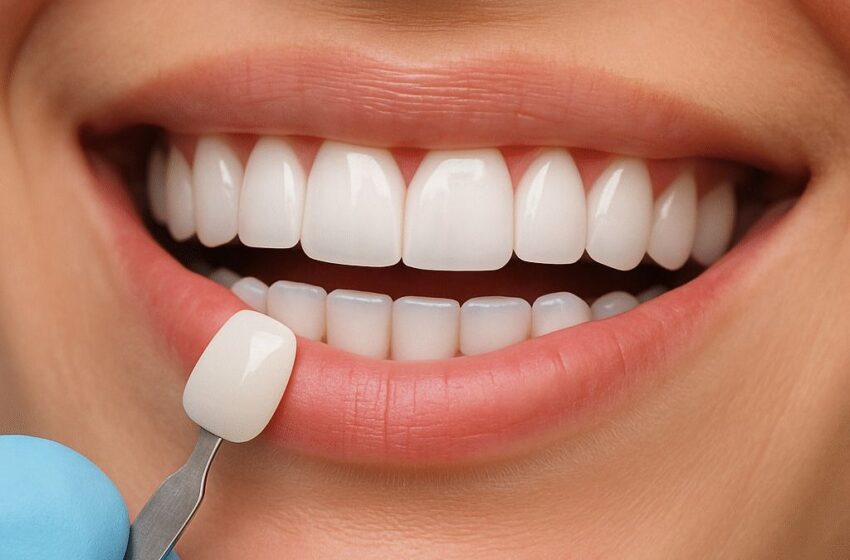
In recent years, cosmetic dental treatments have become increasingly popular for enhancing smiles and boosting confidence. Many people seek solutions for discoloration, chips, gaps, or uneven teeth that affect the appearance of their smile.
Two of the most common options are veneers and dental bonding. Both treatments can transform your teeth, but they differ in materials, durability, cost, and procedure.
In this guide, we’ll explore the key differences between veneers and bonding, highlight their benefits, and help you determine which treatment might be best suited for your dental needs and aesthetic goals.
What Are Veneers?
Veneers are thin, custom-made shells, typically made from porcelain or ceramic, that are bonded to the front surface of your teeth. They are designed to enhance the appearance of your smile by correcting imperfections such as discoloration, chips, gaps, or minor misalignment.
Veneers are not only aesthetic solutions but also durable and long-lasting. Porcelain veneers, in particular, are stain-resistant, mimic the natural translucency of teeth, and can maintain their bright, natural look for 10–15 years or more with proper care.
What Is Dental Bonding?
Dental bonding is a cosmetic procedure in which a tooth-colored composite resin is applied to the surface of a tooth to repair chips, cracks, gaps, or discoloration. The resin is carefully shaped and polished to blend seamlessly with your natural teeth.
Bonding is a minimally invasive and quick treatment, often completed in just one dental visit without the need for extensive tooth preparation.
While bonding is generally less expensive than veneers, it is less durable and more prone to staining over time. It’s an excellent choice for minor cosmetic improvements or for patients seeking a fast, affordable solution.
Advantages of Veneers
Veneers offer several benefits for those looking to enhance their smile:
Long-Lasting and Stain-Resistant
Made from high-quality porcelain or ceramic, veneers can maintain their color and appearance for 10–15 years or more with proper care.
Excellent Aesthetic Results
Veneers provide a natural, uniform, and bright smile, correcting discoloration, chips, gaps, and minor alignment issues.
Ideal for Multiple Teeth or Severe Discoloration
When several teeth need cosmetic improvement or when discoloration cannot be corrected with whitening alone, veneers offer a comprehensive solution for a dramatic smile transformation.
By combining durability with exceptional aesthetics, veneers are a reliable choice for patients seeking long-term cosmetic improvements.
Advantages of Bonding
Dental bonding provides several benefits for patients looking for a fast and cost-effective cosmetic solution:
Quick and Convenient
Most bonding procedures can be completed in a single dental visit, making it ideal for those seeking immediate results.
Less Expensive Than Veneers
Bonding is generally more affordable, offering an accessible option for minor cosmetic improvements.
Minimally Invasive
Only a small amount of enamel is removed, preserving the natural tooth structure while achieving a natural-looking result.
Disadvantages of Each (Expanded)
Understanding the limitations of veneers and dental bonding is just as important as knowing their benefits. Here’s a more detailed look:
Veneers
Higher Cost
Veneers are generally more expensive than bonding because they require custom fabrication in a dental lab and multiple steps for precise placement. This makes them a larger investment, though often justified by their longevity and aesthetic results.
Requires Enamel Removal
To ensure a proper fit and natural appearance, a thin layer of enamel must be removed. This process is irreversible, meaning veneers are a permanent alteration to your teeth.
May Require Replacement
Despite being highly durable, veneers typically last 10–20 years. Over time, wear, chips, or changes in your natural teeth may necessitate replacement to maintain appearance and function.
Not Easily Repaired
If a veneer chips or cracks, it usually needs to be replaced rather than repaired, which adds to long-term costs.
Bonding
Less Durable
Bonding materials are softer than porcelain, making them more prone to chipping, cracking, or staining from coffee, tea, or tobacco.
Frequent Touch-Ups
To keep bonding looking its best, periodic maintenance or reapplication may be required, especially on front teeth that endure more wear.
Not Ideal for Large Restorations
Bonding works well for minor imperfections, but it may not be suitable for teeth with extensive discoloration, severe chips, or structural damage. In such cases, veneers or crowns are a better option.
Limited Lifespan
Typically, bonded teeth last 3–10 years, depending on oral habits and care.
Additional Considerations
Color Matching
Bonding resin can be matched to your teeth initially, but it may discolor over time, while veneers are more resistant to staining.
Aesthetic Limitations
Bonding may not provide the same translucency or natural look as porcelain veneers, which can mimic real tooth enamel more effectively.
Lifestyle Factors Patients who grind their teeth, chew ice, or eat very hard foods may risk damaging bonding more quickly than veneers.
By understanding these pros and cons, patients can make an informed decision based on their aesthetic goals, budget, and long-term dental health. Discussing these factors with a cosmetic dentist ensures you select the option that best balances appearance, durability, and cost.
If you want, I can also expand this section to include a side-by-side comparison table of veneers vs. bonding, which makes it visually easier for readers to weigh the advantages and disadvantages. Do you want me to do that?
Which One Should You Choose? (Expanded)
Choosing between veneers and dental bonding depends on several factors, including your cosmetic goals, budget, and the current condition of your teeth. Both treatments can improve your smile, but they serve slightly different purposes.
Veneers
Veneers are an excellent choice if you want a long-term, durable solution. They are particularly suitable for:
- Teeth that are severely discolored and resistant to whitening treatments.
- Multiple teeth that need cosmetic improvement for a uniform and symmetrical appearance.
- Patients looking for a smile makeover with results that can last 10–15 years or longer.
While veneers require enamel removal and a higher investment, they offer exceptional aesthetics, stain resistance, and durability, making them ideal for patients who want a lasting transformation.
Bonding
Bonding is ideal if you need a quick, minimally invasive solution. It works well for:
- Minor chips, cracks, or gaps in the teeth.
- Small cosmetic corrections without altering the natural tooth structure significantly.
- Patients seeking an affordable and immediate improvement, often in a single dental visit.
Bonding is less durable than veneers and may require touch-ups over time, but it provides effective, low-cost cosmetic enhancements that are perfect for minor imperfections.
Additional Considerations
Lifestyle
If you frequently consume staining foods or beverages, veneers may be a better option due to their stain-resistant properties.
Time
Bonding is completed quickly, making it ideal for those with busy schedules.
Long-Term Goals
Veneers offer a more permanent cosmetic solution, while bonding is better suited for temporary or minor corrections.
Professional Guidance
Ultimately, the best way to decide is to schedule a consultation with a cosmetic dentist. They can:
- Assess your teeth and overall oral health.
- Discuss your aesthetic goals and lifestyle factors.
- Recommend the most suitable treatment to achieve natural-looking, long-lasting results.
By carefully considering your needs and consulting a professional, you can choose the treatment that provides a beautiful, confident smile tailored to you.
If you like, I can also draft a full conclusion section that wraps up veneers vs. bonding, including a strong call-to-action to encourage readers to schedule a consultation. Do you want me to do that?
Conclusion
Both veneers and dental bonding are excellent solutions for enhancing your smile, but they serve different purposes depending on your needs. Veneers offer a long-lasting, durable, and highly aesthetic option, perfect for addressing multiple cosmetic issues, severe discoloration, or teeth that need a dramatic transformation. Bonding, on the other hand, provides a quick, affordable, and minimally invasive solution, ideal for minor chips, cracks, or small gaps, allowing you to achieve noticeable results in a single visit.