
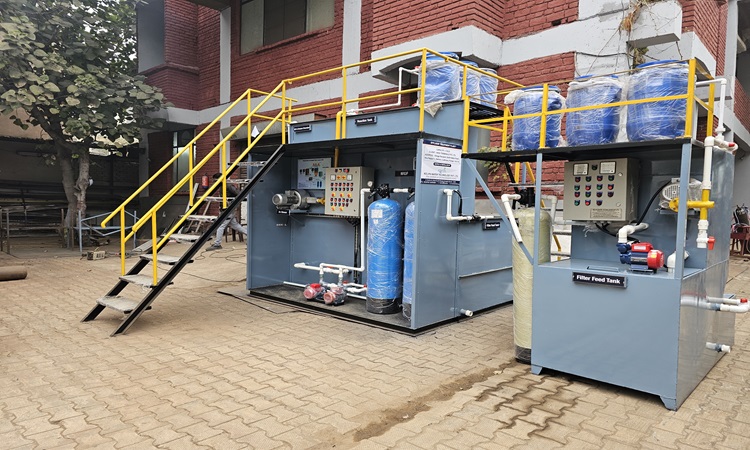
With rapid urbanization, industrial growth, and increasing population density, the management of wastewater has become one of the most critical environmental challenges today. This is where a Sewage Treatment Plant plays a vital role. But what exactly is a sewage treatment plant, how does it work, and why is it essential for residential, commercial, and industrial developments? This article answers all these questions in detail.
What Is a Sewage Treatment Plant?
A Sewage Treatment Plant is a facility designed to treat domestic and municipal wastewater to remove contaminants before releasing it into the environment or reusing it. Sewage typically contains organic matter, suspended solids, bacteria, nutrients, oils, and harmful pathogens. An STP treats this wastewater through physical, biological, and chemical processes to produce safe, treated water and manageable sludge.
The treated water can be safely discharged into water bodies or reused for gardening, flushing, cooling, and other non-potable applications.
Why Is a Sewage Treatment Plant Important?
The importance of a sewage treatment plant goes far beyond basic sanitation. An efficiently designed STP provides several environmental, economic, and social benefits.
Key reasons why STPs are essential:
- Prevents water pollution
- Protects public health
- Conserves freshwater resources
- Ensures compliance with pollution control norms
- Supports sustainable development
How Does a Sewage Treatment Plant Work?
A sewage treatment plant typically operates in multiple stages to ensure effective removal of pollutants.
- Preliminary Treatment
This is the first stage, where large debris such as plastics, rags, and grit are removed using screens and grit chambers. This protects downstream equipment from damage.
- Primary Treatment
In this stage, wastewater flows into primary settling tanks where heavier suspended solids settle at the bottom as sludge, while lighter materials float to the surface and are skimmed off.
- Secondary (Biological) Treatment
This is the core stage of an STP. Microorganisms break down organic matter present in sewage. Common biological treatment technologies include:
- Activated Sludge Process (ASP)
- Moving Bed Biofilm Reactor (MBBR)
- Sequencing Batch Reactor (SBR)
- Membrane Bioreactor (MBR)
- Tertiary Treatment
Tertiary treatment improves the quality of treated water through filtration and disinfection. This may include pressure sand filters, activated carbon filters, UV disinfection, or chlorination.
What Are the Main Components of a Sewage Treatment Plant?
A typical sewage treatment plant consists of several key components working together:
- Bar screens and grit chambers
- Equalization tanks
- Aeration tanks
- Secondary clarifiers
- Sludge handling units
- Filtration and disinfection systems
Where Are Sewage Treatment Plants Used?
Sewage treatment plants are widely used across various sectors, including:
- Residential societies and apartments
- Commercial buildings and IT parks
- Hospitals and healthcare facilities
- Hotels and resorts
- Educational institutions
- Municipal and urban infrastructure
What Are the Benefits of Installing a Sewage Treatment Plant?
Installing a sewage treatment plant offers multiple long-term advantages:
- Water Reuse: Treated water can be reused, reducing freshwater demand
- Cost Savings: Lower water procurement and discharge costs
- Environmental Protection: Reduced pollution load on natural water bodies
- Regulatory Compliance: Meets CPCB and SPCB norms
- Sustainability: Supports eco-friendly and green building initiatives
What Technologies Are Used in Modern STPs?
Modern sewage treatment plants use advanced technologies to enhance efficiency and reduce operational costs. Some widely used technologies include:
- MBBR for compact and efficient treatment
- SBR for flexible batch operations
- MBR for high-quality reusable water
- Automation and PLC-based controls
- Energy-efficient aeration systems
How to Choose the Right Sewage Treatment Plant?
Selecting the right sewage treatment plant depends on several factors:
- Quantity and quality of sewage generated
- Available space
- Required treated water quality
- Operation and maintenance requirements
- Capital and operating costs
Who Provides Reliable Sewage Treatment Plant Solutions?
Companies like Kelvin Water Technologies Pvt. Ltd. offer comprehensive sewage treatment plant solutions, including design, manufacturing, installation, and operation & maintenance services. With expertise in advanced STP technologies, such providers deliver systems that are efficient, durable, and compliant with environmental regulations.
Their focus on sustainability, energy efficiency, and water reuse makes them a preferred choice for modern wastewater management projects.
What Is the Future of Sewage Treatment Plants?
The future of sewage treatment plants lies in:
- Increased water recycling and reuse
- Zero Liquid Discharge (ZLD) integration
- Smart monitoring and automation
- Energy-efficient and compact designs
Conclusion:
A sewage treatment plant is no longer an optional facility—it is a fundamental requirement for responsible development. By treating wastewater effectively, STPs protect the environment, conserve water, and ensure public health safety.
With advanced technologies and professional solution providers, modern sewage treatment plants offer reliable, sustainable, and cost-effective wastewater management solutions that support a cleaner and greener future.