
What Paint Correction Really Means
Paint correction is the process of removing surface defects from a vehicle’s clear coat to improve clarity, gloss, and overall appearance. These defects include swirl marks, light scratches, oxidation, water spots, and hazing caused by improper washing or environmental exposure.
Unlike waxing or sealing, paint correction physically refines the paint surface. That means it’s not about hiding flaws, but actually reducing or removing them.
Understanding Single-Stage Paint Correction
Single-stage paint correction focuses on one polishing step using a medium polish and pad combination. The goal is to noticeably improve the paint while keeping the process efficient.
This approach typically removes:
Light to moderate swirl marks
Minor surface scratches
Light oxidation and dullness
Single-stage correction is often chosen for daily-driven vehicles that need a visible refresh rather than perfection. It strikes a balance between results and time.
When Single-Stage Makes Sense
Single-stage correction works well when:
The paint is in generally good condition
Defects are mostly shallow and uniform
The owner wants improvement without extended downtime
In practice, this is one of the most common corrections performed. Many cars don’t need aggressive multi-step work to look dramatically better.
What Multi-Stage Paint Correction Involves
Multi-stage paint correction uses two or more polishing steps, each with a specific purpose. The first stage usually focuses on defect removal using a more aggressive compound. The following stages refine the finish, remove haze, and restore clarity.
A typical multi-stage process may include:
A cutting stage to remove deeper defects
A polishing stage to refine the surface
A finishing stage to maximize gloss
This approach allows for much higher levels of correction but requires more time, experience, and careful inspection between steps.
When Multi-Stage Correction Is the Better Choice
Multi-stage correction is more appropriate when:
The paint has deep swirl marks or scratches
There is noticeable oxidation or heavy water spotting
The vehicle has been neglected or improperly detailed
It’s also common for show cars, enthusiast vehicles, or recently purchased used cars where the owner wants a near-new finish.
A Common Mistake People Make
One mistake I see often is assuming multi-stage correction is always better. More steps do not automatically mean better results for every vehicle. In some cases, aggressive correction removes more clear coat than necessary, which isn’t ideal for long-term paint health.
Another frequent issue is choosing correction based on budget alone, without considering paint condition. I’ve seen single-stage corrections outperform poorly executed multi-stage jobs simply because the approach matched the paint.
How Paint Condition Dictates the Right Choice
Choosing between single-stage and multi-stage correction starts with a proper paint inspection. Lighting matters. What looks fine in the shade can reveal heavy defects under direct light.
Key factors to consider include:
Depth of scratches
Overall paint thickness
Type of clear coat
Vehicle usage and ownership goals
This diagnostic mindset is similar to how structural vehicle concerns are evaluated. Surface symptoms don’t always tell the full story, which is why foundational assessments matter, as explained in this guide on Upper body alignments in pasadena ca. The same logic applies to paint correction decisions.
Practical Insider Tips from Experience
Chase consistency, not perfection
On daily drivers, consistent improvement across all panels often looks better than chasing perfection on a few areas while leaving others untouched.
Test spots are non-negotiable
Always perform a small test section before committing to a full correction. This saves time and helps determine the least aggressive method needed.
Clear coat is finite
Every correction removes some clear coat. Preserving paint longevity should always outweigh achieving flawless results.
Real-Life Example from the Shop
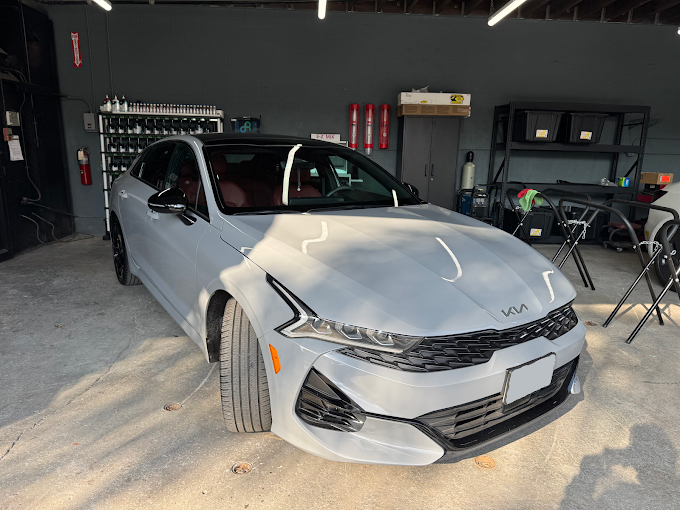
A customer once brought in a silver sedan requesting full multi-stage correction because they had seen dramatic transformations online. After inspection, the paint had light swirls but no deep defects. We performed a test spot with a single-stage polish, which removed nearly all visible issues. The customer was surprised at how close the result was to their expectations without the extra steps.
On the other hand, a black SUV with years of automatic car wash damage required a multi-stage approach. A single-stage polish improved gloss but left heavy swirls visible. Only after multiple stages did the paint reach a level the owner was happy with.
Time, Maintenance, and Expectations
Single-stage correction generally requires less time and allows vehicles to return to daily use quickly. Maintenance afterward is straightforward, especially when paired with proper washing techniques.
Multi-stage correction takes longer and demands more careful maintenance to preserve results. Without good wash habits, even the best correction can degrade faster than expected.
It’s important to align expectations with usage. A garage-kept weekend car benefits more from extensive correction than a daily commuter exposed to traffic and weather.
The Role of Protection After Correction
Regardless of the correction method, protection matters. Wax, sealants, or ceramic coatings help preserve the corrected finish and slow the return of defects.
Correction without protection is temporary. The smoother the surface after correction, the better protection products tend to bond and perform.
Final Thoughts
Single-stage and multi-stage paint correction are not competing services. They are tools designed for different situations. The best results come from matching the method to the paint, the vehicle’s purpose, and the owner’s expectations.
Also read for more information so click here.