
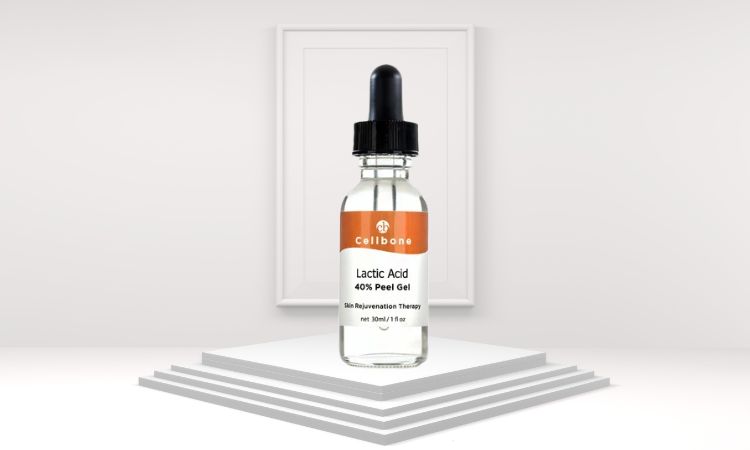
People don’t get the full benefit of a peel because they focus only on the product, not what happens before and after. Skin doesn’t just magically improve because you applied something strong. It responds to how well you prepare it and how carefully you treat it afterward.
If your goal is smoother texture, more even tone, and a healthier look overall, using a lactic acid peel the right way can make a noticeable difference. But the real results come from the small details – timing, prep, and recovery.
What Makes Lactic Acid Different From Other Peels
Lactic acid is one of those ingredients that sits in a comfortable middle ground. It’s effective, but not overly aggressive. It exfoliates the surface layer of the skin, helping remove dead cells that make your complexion look dull or uneven.
At higher strengths, like a 40% peel with a balanced pH, it goes a step further. It can help improve discoloration, soften acne marks, and smooth out rough areas without the harshness people often associate with chemical peels.
Another thing worth mentioning – it also attracts moisture, which helps prevent that overly dry, tight feeling some peels leave behind.
Before You Apply: Setting Your Skin Up Properly
A few days before using a peel, try to keep your routine simple. Avoid layering strong actives. If your skin is already irritated or sensitive, a peel will only make that worse.
On the day you plan to use it, start with a clean face. Remove all oils, sunscreen, and residue. Make sure your skin is completely dry before applying anything. Damp skin can increase how deeply the acid penetrates, which isn’t always a good thing, especially if you’re new to peels.
If it’s your first time, don’t try to push it. Three to five minutes is enough. You can always increase the time later once you know how your skin reacts.
What It Feels Like During the Peel
When you apply the peel, you’ll probably feel a light tingling sensation. Sometimes there’s a slight cooling effect too, especially if the formula includes soothing ingredients like menthol or botanical extracts.
It shouldn’t feel painful or overwhelming. If it does, that’s a sign to rinse it off sooner.
The peel works quietly. It’s loosening the layer of dead skin cells sitting on the surface, not aggressively stripping your skin. That’s why the results tend to look more natural and gradual rather than dramatic overnight.
Aftercare: Where Most People Go Wrong
Once you rinse the peel off, your skin is in a more sensitive state.
Start with something that helps rebalance your skin, like a pH-balancing toner or neutralizer. After that, focus on hydration. Your skin needs moisture to recover properly.
A soothing moisturizer helps reduce tightness and keeps your barrier intact. Skipping this step is one of the most common mistakes people make.
And then there’s sunscreen. Freshly exfoliated skin is more vulnerable to sun exposure, which can lead to irritation or pigmentation if you’re not careful.
How to Combine Lactic Acid with Other Ingredients
You can still use other ingredients, but timing matters. For example, hyaluronic and salicylic acid can work well in the same routine, but not on the same day as your peel.
Hyaluronic acid helps bring moisture back into the skin, which is especially useful after exfoliation. Salicylic acid works deeper in the pores, so layering everything together usually gives better results.
How Often Should You Actually Use It
There’s no benefit in overdoing it. Once a week is enough for most people. If your skin is more sensitive, even once every two weeks can still give good results.
The goal isn’t to peel as often as possible. It’s to keep your skin in a steady rhythm where buildup doesn’t get a chance to accumulate again.
If you notice dryness, irritation, or sensitivity, it’s a sign to slow down.
Mistakes That Can Affect Your Results
Leaving the peel on longer than recommended doesn’t make it more effective. Another common mistake is using too many active products right after exfoliating. Your skin needs time to recover.
And then there’s skipping sunscreen. It’s easy to overlook, but it can undo everything you’re trying to fix, especially when it comes to uneven tone.
Conclusion
Using a lactic acid peel does require a little attention to detail. When you prep your skin properly and take care of it afterward, the results tend to look smoother, brighter, and more even over time.
FAQs
Is a lactic acid peel safe for beginners?
Yes, it’s one of the more beginner-friendly chemical exfoliants, especially when used for shorter durations.
How long should I leave it on?
Start with 3–5 minutes. If your skin tolerates it well, you can gradually increase it up to 10 minutes.
Will my skin peel afterward?
Not always. Some people see light flaking, while others just notice smoother skin.
What should I apply after the peel?
Focus on hydration and soothing products to support recovery.