
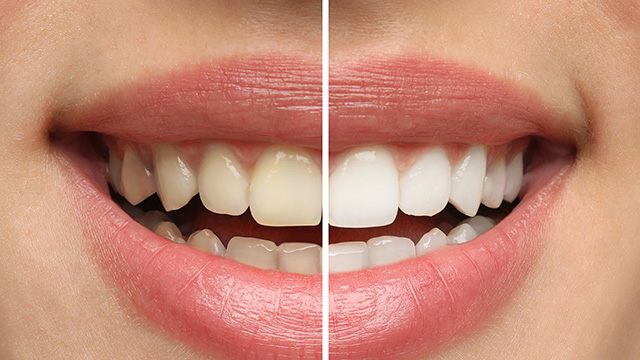
Teeth whitening has become one of the most talked-about cosmetic dental treatments in India, and for good reason. A brighter smile often translates into greater self-assurance in social and professional settings. But beyond the aesthetics, there is a surprising amount of confusion surrounding what whitening actually does, who it suits, and how to maintain results once achieved. Whether you have just completed a whitening session or are still weighing your options, understanding the real picture – myths included – will help you make smarter decisions about your oral health. This article cuts through the noise and gives you the practical, grounded guidance you need.
What Teeth Whitening Actually Does (And Does Not Do)
Many people walk into a dental clinic expecting whitening to fix every discolouration they see. That is not quite how it works. Whitening agents, typically hydrogen peroxide or carbamide peroxide, penetrate the enamel and break down stain compounds within the tooth structure. This is effective for extrinsic stains from coffee, tea, tobacco, and certain foods. However, intrinsic stains – those embedded deeper in the dentine due to medication, fluorosis, or injury – respond poorly or not at all to standard whitening treatments.
The Difference Between Surface Stains and Deeper Discolouration
Surface stains sit on or just beneath the enamel and are the primary target of most whitening products. Deeper discolouration originates from within the tooth and often requires alternative cosmetic approaches such as veneers or bonding. Your dentist can help identify which category your staining falls into before recommending any course of action.
Whitening Does Not Strengthen Your Teeth
This is worth stating clearly because it is a common misconception. Whitening is a cosmetic procedure. It does not rebuild enamel, reverse decay, or improve gum health. Treating it as part of a broader oral hygiene routine is the correct approach – not a substitute for it.
Busting Common Myths About Teeth Whitening
Misinformation about whitening is widespread, and it often prevents people from either trying it or using it responsibly. Here are some of the myths worth addressing directly.
Myth: Whitening Permanently Damages Enamel
When done correctly and at appropriate intervals, professional whitening does not permanently damage enamel. Temporary sensitivity is common, but this typically resolves within 24 to 72 hours. Over-the-counter products used excessively are more likely to cause harm than a professionally supervised treatment.
Myth: All Whitening Products Give the Same Results
There is a significant difference between a professional in-clinic treatment and a supermarket whitening strip. Concentration levels, application time, and the use of protective barriers for your gums all vary considerably. If you have concerns about sensitivity, speaking with a dentist about teeth whitening for sensitive teeth is a more reliable path than experimenting with off-the-shelf kits.
Myth: Whiter Teeth Are Healthier Teeth
Shade and health are entirely separate parameters. A tooth can appear bright white and still harbour decay or gum disease beneath the surface. Regular dental check-ups remain non-negotiable regardless of how good your smile looks.
Aftercare: What You Do in the First 48 Hours Matters Most
The post-whitening window is when your teeth are most porous and vulnerable to re-staining. The bleaching process temporarily opens micro-channels in the enamel, making it easier for pigments to re-enter. Knowing what to avoid – and what to prioritise – in this period can make a meaningful difference to how long your results last.
Stick to a white diet during the first 48 hours. This means avoiding dark-coloured beverages like tea, coffee, red wine, and cola, as well as deeply pigmented foods such as berries, soy sauce, and beetroot. Smoking should also be avoided during this window. Cold water, plain rice, chicken, bananas, and yoghurt are generally safe choices.
Sensitivity during this period is normal. Use a toothpaste designed for sensitive teeth and avoid very hot or cold food and drinks. Brushing gently with a soft-bristle toothbrush is advisable.
Long-Term Maintenance: Sustaining Your Results
Whitening results are not permanent. How long they last depends on your diet, oral hygiene habits, and whether you use any maintenance products. On average, professional whitening results can last anywhere from six months to two years with proper care.
Building a Maintenance Routine
Brushing twice daily and flossing once a day remain the foundation. Using a whitening toothpaste two to three times a week (rather than exclusively) can help manage surface stains without over-abrasion. Rinsing with water after consuming staining foods or beverages is a simple and often overlooked habit that genuinely helps.
Touch-Up Treatments
Many dentists recommend periodic touch-up sessions, either in-clinic or using take-home trays provided after your initial treatment. These are lower-concentration applications meant to refresh rather than restart the whitening process. Discussing advanced teeth whitening techniques with your dentist will help you understand which maintenance approach is best suited to your specific situation.
Who Should Consider Whitening and Who Should Wait
Whitening is not appropriate for everyone at every stage. Pregnant or breastfeeding individuals are generally advised to postpone it. Those with untreated cavities, gum disease, or exposed roots should address these conditions first. Crowns, veneers, and composite fillings do not respond to whitening agents, so any restorations in visible areas should be factored into your planning conversations with your dentist.
Age also plays a role. Whitening is not recommended for children or teenagers whose permanent teeth are still developing. For adults, the candidacy assessment is relatively straightforward when done by a qualified professional.
Conclusion
Teeth whitening, approached with accurate information and professional guidance, can be a genuinely rewarding part of your oral care journey. The key is to treat it as one element of a broader commitment to dental health – not a shortcut or a standalone fix. Understand your stain type, follow aftercare guidelines rigorously, and build sustainable habits that protect your results over time. If you are exploring options or looking for trusted dental professionals, SmyleXL Top Dental Care Network India is a useful resource for connecting with experienced practitioners across the country. A confident smile is built gradually and maintained consistently – and that effort is well worth it.
Frequently Asked Questions
How long does professional teeth whitening last?
Results typically last between six months and two years, depending on your dietary habits, oral hygiene routine, and whether you use any maintenance products. Avoiding staining foods and beverages significantly extends the longevity of your results.
Is teeth whitening safe for people with sensitive teeth?
Yes, but with appropriate precautions. Dentists can use lower-concentration agents, desensitising gels, or specific protocols tailored to sensitive teeth. It is important to disclose any existing sensitivity before beginning treatment so the approach can be adjusted accordingly.
Will whitening work on crowns or veneers?
No. Whitening agents do not alter the shade of dental restorations such as crowns, veneers, or composite fillings. If you have visible restorations, discuss this with your dentist before whitening, as you may need to consider replacing them to match your new tooth shade.
How soon after whitening can I drink coffee or tea?
It is advisable to wait at least 48 hours before consuming heavily pigmented beverages. During this window, the enamel is more porous and susceptible to re-staining. After the initial period, using a straw and rinsing with water afterwards can help reduce staining over the long term.
How often should I get a professional whitening treatment?
Most dentists recommend waiting at least six to twelve months between full professional whitening sessions. More frequent treatment than this can increase the risk of enamel sensitivity and is generally unnecessary when a proper maintenance routine is in place.
Source: Top Benefits of Teeth Whitening for a Confident Smile