
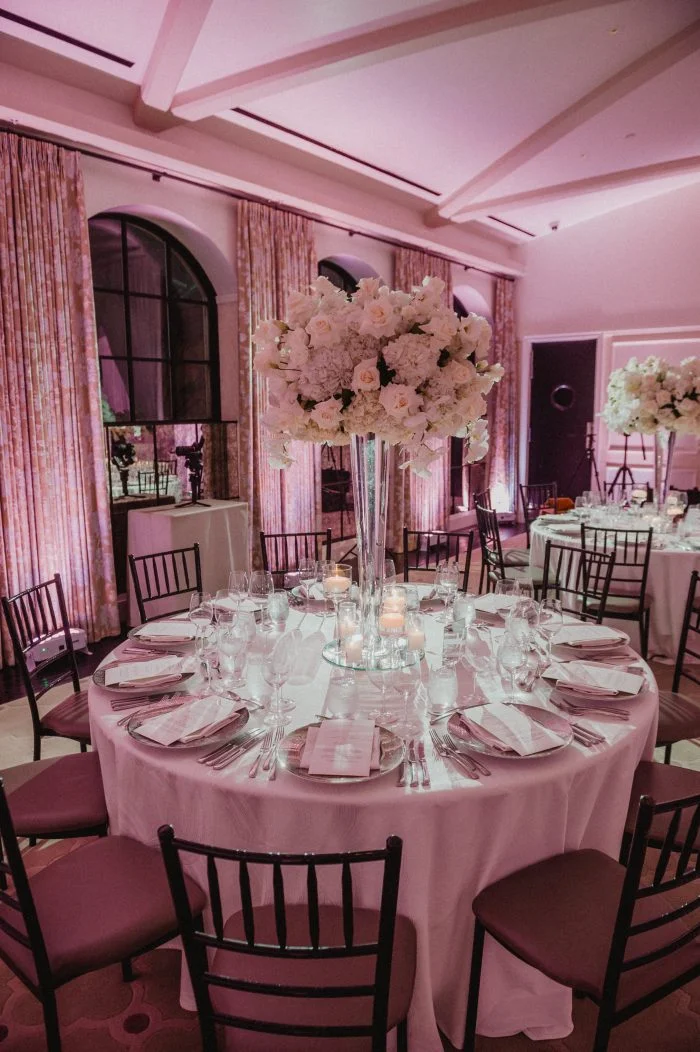
Planning a beach wedding comes with one big challenge most couples never expect: wind. Salt air, shifting light, and open horizons all change how flowers behave and how they need to be designed. Luxury wedding floral arrangements for coastal celebrations require a different approach than a traditional ballroom wedding, and getting this right makes the difference between flowers that wilt by sunset and a display that holds strong through your entire reception.
If you’re planning a wedding by the water, here’s what actually works.
Why Coastal Weddings Need a Different Floral Strategy
Beach venues look effortless in photos. The reality behind the scenes takes more planning.
Wind moves loose petals and lightweight stems. Heat and direct sun cause delicate blooms to wilt within hours. Humidity changes how flowers open and how long they last. A florist who understands these conditions builds arrangements that survive them, not just ones that look good in a mockup.
This is where luxury floral arrangements earn their price tag. You’re not just paying for premium blooms. You’re paying for engineering, structure, and a design plan built around your specific location.
Choosing Flowers That Hold Up Outdoors
Some flowers thrive in coastal conditions. Others fall apart within an hour.
Sturdy, structured blooms work best for beach settings:
- Roses hold their shape in heat and light wind
- Orchids resist humidity and keep their form for hours
- Proteas bring texture and survive direct sun without wilting
- Anthuriums stay glossy and firm even in salty air
- Spray roses add volume without adding weight that catches wind
Soft, paper-thin petals like poppies or sweet peas struggle outdoors. Save those for indoor centerpieces or bouquets used briefly during photos.
Greenery matters just as much as the blooms. Trailing eucalyptus, palm fronds, and sea grass echo the coastal setting without fighting it. They also add movement that works with the wind instead of against it.
Designing Around Wind and Open Space
Tall, top-heavy arrangements tip over easily on sand or grass near the shore. Low, grounded designs perform better and look more intentional in an open setting.
Consider these adjustments for outdoor ceremonies:
- Use weighted vases or secure floral foam bases for any standing arrangement
- Choose low centerpieces instead of tall ones for reception tables
- Build bouquets with shorter stems for better wind resistance
- Skip loose, single-stem displays near open water
A grounded floral arrangement, clustered low and dense, holds up far better than a tall, airy installation. It also photographs beautifully against an ocean backdrop, since nothing competes with the horizon line.
Color Palettes That Match Coastal Light
The beach light is bright and warm. Your flower colors need to hold their own against it.
Soft whites, blush tones, and pale corals complement golden hour light without washing out. Deeper jewel tones like coral, terracotta, and warm peach also work well, especially for sunset ceremonies. These shades pick up the natural warmth of beach lighting instead of fighting against it.
Avoid colors that fade or look muddy in strong sun. Pale yellows and certain light purples can lose their richness outdoors. Stick to colors with enough saturation to stay vibrant from morning through evening.
Fresh Flowers vs Luxury Faux Floral Arrangements
Not every coastal wedding calls for fresh stems.
Luxury faux floral arrangements solve a real problem for outdoor weddings: heat damage. A summer beach ceremony at noon can wilt fresh flowers within an hour. High-quality faux blooms hold their shape and color regardless of temperature or sun exposure.
This matters most for:
- Arches and large installations that sit in direct sun for hours
- Destination weddings where flowers must travel long distances
- Couples who want their floral arch reused for engagement photos or anniversaries later
Many coastal weddings now mix both. Fresh flowers handle bouquets and personal florals, since they’re only exposed to the elements briefly. Luxury faux floral arrangements cover large installations like arches or backdrops that need to last the entire event without wilting.
This hybrid approach gives you the texture and scent of real flowers where it counts, with the durability of faux pieces where heat and time work against you.
Timing Your Florist Booking
Coastal wedding venues book up fast, and so do the florists who specialize in outdoor, beach-ready designs.
For custom luxury wedding floral arrangements, plan to book your florist eight to twelve months before your wedding date. This gives enough time for sourcing specific blooms, building large installations, and visiting your venue ahead of the big day. Waiting until the last few months limits your options and may force compromises on flower availability or design complexity.
Working With Your Venue’s Natural Setting
The best beach wedding florals work with the landscape, not against it.
Skip arrangements that try to recreate a formal garden look. Instead, lean into natural textures: driftwood accents, sea grass, and loose, organic shapes that feel like they belong on the shoreline. This approach respects the setting and usually costs less than fighting it with rigid, structured designs.
Talk to your florist about your ceremony time and exact location. A sunset ceremony needs different flowers than a midday one. An exposed bluff needs sturdier arrangements than a sheltered cove. These details shape every decision your florist makes.
Bringing Your Vision to Life
Beach weddings reward couples who plan ahead and choose flowers built for the setting. Luxury wedding floral arrangements done right turn a beautiful location into an unforgettable one, with blooms that photograph well, hold up against wind and heat, and reflect your personal style from morning through sunset.
At XO Bloom, our team designs custom floral experiences for coastal and destination weddings across Southern California, balancing fresh blooms with durable, faux-ready installations when conditions call for it. Visit us to start planning your wedding florals with a team that understands what coastal celebrations actually need.
Frequently Asked Questions
What flowers last best at outdoor beach weddings?
Roses, orchids, proteas, and anthuriums hold up well in heat, sun, and light wind. They keep their shape and color longer than delicate, thin-petaled blooms.
Should I use fresh or faux flowers for a beach wedding arch?
Faux flowers often work better for large arches exposed to direct sun for hours. Fresh flowers suit bouquets and personal florals used for shorter periods.
How far in advance should I book a florist for a coastal wedding?
Book eight to twelve months ahead, especially for custom designs or large floral installations that require sourcing and planning time.
What colors work best for sunset beach weddings?
Warm tones like coral, peach, and terracotta complement golden hour light. Soft whites and blush also hold up well throughout the day.
Do beach weddings need different floral arrangements than indoor weddings?
Yes. Outdoor coastal weddings need wind-resistant, low, grounded designs instead of tall or loosely structured arrangements that can tip or scatter.