
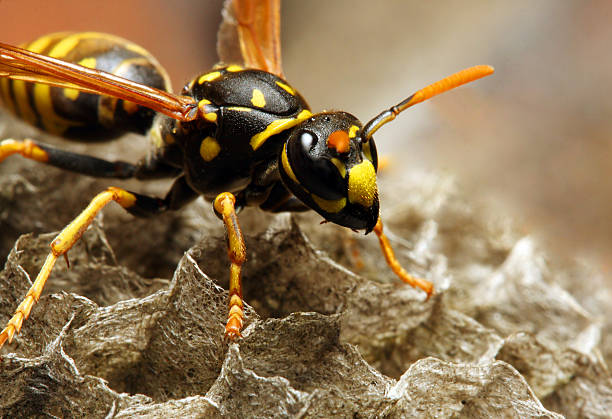
Wasps are highly adaptable insects that can build nests in a wide range of locations around residential and commercial properties. While some nests are easy to spot hanging from roof eaves or tree branches, many remain hidden inside walls, roof spaces, and other sheltered areas. Because wasps prefer locations that offer protection from weather and predators, homeowners often don’t realise they have an infestation until the colony has grown significantly.
Understanding where wasps commonly build nests can help you detect problems early and reduce the risk of painful stings. If you notice increased wasp activity around your property, arranging professional wasp control Melbourne services is the safest way to locate and remove active nests before they become a larger safety concern.
Why Wasps Choose Certain Nesting Locations
When queen wasps emerge in spring, they begin searching for safe places to establish new colonies. Their ideal nesting sites usually provide shelter, warmth, and minimal disturbance.
Wasps are attracted to locations that offer:
- Protection from rain and strong winds.
- Easy access to food and water.
- Quiet areas with little human activity.
- Secure spaces away from predators.
- Stable structures that support nest growth.
Once a suitable location is found, the queen starts building a small paper-like nest that expands rapidly as worker wasps hatch.
Roof Eaves
Roof eaves are one of the most common nesting locations around Australian homes. These sheltered areas protect nests from harsh weather while allowing wasps to fly in and out freely.
Homeowners should regularly inspect:
- Roof overhangs.
- Fascia boards.
- Gutters.
- Corners beneath roofing.
A small nest under the eaves can quickly grow into a large colony if left undisturbed.
Wall Cavities
Wall cavities provide excellent protection for wasps and often hide colonies from view. Wasps can enter through surprisingly small cracks or gaps around your home.
Possible entry points include:
- Brickwork gaps.
- Cracked mortar.
- Utility pipe openings.
- Air vents.
- Damaged cladding.
If you notice wasps repeatedly entering the same opening, a hidden nest may already be established inside the wall.
Roof Spaces and Ceiling Cavities
Roof voids offer warm, dry, and quiet conditions that are ideal for nesting. Since these spaces are rarely accessed, colonies can continue growing unnoticed for months.
Common warning signs include:
- Buzzing sounds above ceilings.
- Wasps entering roof vents.
- Increased activity around rooflines.
Professional inspections are often needed to confirm hidden nests in these areas.
Garages and Garden Sheds
Storage buildings are another favourite nesting location because they usually experience limited daily activity.
Inspect areas such as:
- Ceiling corners.
- Roof beams.
- Window frames.
- Shelving.
- Behind stored equipment.
Routine inspections during spring and summer can help detect nests before they become established.
Pergolas, Decks, and Patios
Outdoor structures provide excellent shelter while remaining close to food sources and gardens.
Wasps commonly build nests:
- Under pergola roofs.
- Beneath timber decks.
- Around patio beams.
- Under outdoor staircases.
Because these areas are frequently used by families, an unnoticed nest can present a significant safety risk.
Trees, Shrubs, and Hedges
Dense vegetation provides natural protection and concealment for wasp nests. Hanging nests are often difficult to spot among thick foliage.
Pay close attention to:
- Large shrubs.
- Thick hedges.
- Mature trees.
- Garden plants with dense branches.
Always inspect vegetation carefully before pruning or gardening.
Underground Burrows
Some wasp species prefer underground nesting rather than building visible paper nests. They often use abandoned animal burrows or naturally occurring holes in the ground.
Signs of an underground nest include:
- Wasps flying in and out of a small hole.
- Increased activity near lawns or garden beds.
- Aggressive behaviour when walking nearby.
These nests should never be disturbed, as underground colonies can respond aggressively when threatened.
Never Attempt to Remove a Nest Yourself
Regardless of where a nest is located, attempting DIY removal can be dangerous. Even a relatively small colony may contain dozens of defensive worker wasps capable of stinging multiple times.
Professional wasp control Melbourne specialists have the training, protective equipment, and specialised treatment methods needed to remove nests safely while minimising risks to people and pets.
Less Obvious Nesting Locations
While roof spaces and trees are common nesting sites, wasps are highly adaptable and may also establish colonies in less obvious locations around your property.
Keep an eye on:
- Mailboxes
- Outdoor play equipment
- Retaining walls
- Fence posts
- Roller door housings
- Air conditioning units
- Compost bins
- Outdoor storage boxes
These sheltered spaces can provide ideal conditions for a queen wasp to begin building a nest.
How to Spot Nesting Activity Early
Even if the nest isn’t visible, wasps often leave clues that indicate a colony is nearby.
Watch for:
- Several wasps flying along the same path.
- Wasps repeatedly entering a crack or hole.
- Constant buzzing near walls or ceilings.
- Increased wasp activity around one area of the property.
- A paper-like structure beginning to form under sheltered surfaces.
Recognising these signs early allows you to arrange treatment before the colony grows significantly.
Why Professional Wasp Control Is Recommended
Locating a wasp nest is only the first step. Safe removal requires specialised knowledge, protective equipment, and appropriate treatment methods. Attempting to remove a nest without experience can disturb the colony and greatly increase the risk of multiple stings.
Professional wasp control Melbourne services provide:
- Comprehensive property inspections.
- Accurate identification of nesting locations.
- Safe and effective nest removal.
- Reduced risk to occupants and pets.
- Advice to help prevent future infestations.
- Long-term peace of mind.
Early professional treatment is often faster, safer, and more cost-effective than waiting for the colony to expand.
Local Wasp Control You Can Rely On
Different Melbourne suburbs can experience varying levels of wasp activity depending on nearby parks, gardens, and weather conditions. Homeowners looking for dependable wasps removal Tullamarine services can benefit from experienced technicians who understand local nesting habits and provide prompt, effective treatments.
Likewise, residents seeking professional wasp control North Melbourne services can rely on qualified specialists to inspect properties, identify hidden nests, and remove colonies safely. Property owners requiring trusted wasps removal Glen Waverley solutions receive tailored treatments designed to address local infestation risks, while those searching for reliable wasp control East Melbourne services can count on comprehensive inspections and long-term prevention advice.
How to Reduce the Risk of Nesting
Although it’s impossible to stop every wasp from entering your yard, a few simple maintenance practices can make your property far less attractive.
Helpful prevention tips include:
- Seal cracks and gaps around your home.
- Keep rubbish bins tightly closed.
- Trim overgrown trees and hedges.
- Remove fallen fruit from gardens.
- Clean outdoor entertaining areas regularly.
- Repair damaged rooflines and wall cladding.
- Inspect sheds, pergolas, and roof eaves during spring.
These measures can significantly reduce the chances of a queen wasp establishing a new colony.
Conclusion
Wasps can build nests in many different locations around Australian homes, from roof eaves and wall cavities to trees, sheds, pergolas, and even underground burrows. Knowing where to look and recognising the early signs of nesting can help you act before a small colony develops into a serious infestation.
If you suspect a wasp nest anywhere on your property, avoid disturbing it and seek professional assistance. Expert wasp control Melbourne services provide safe inspections, effective nest removal, and preventative advice to help keep your home and family protected throughout the year.