
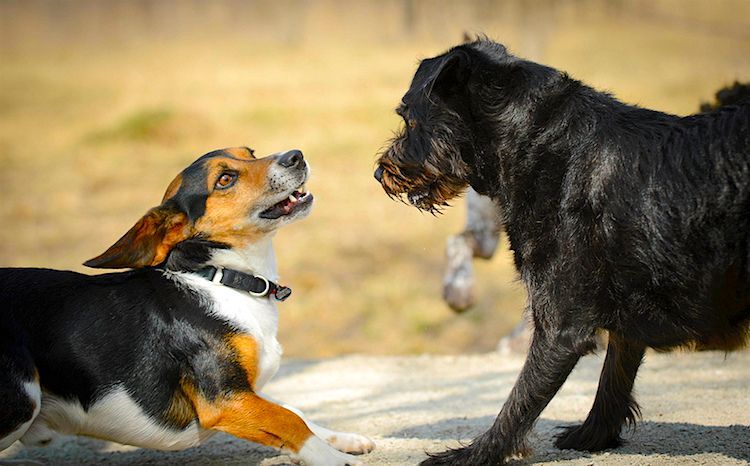
Dogs are social animals, but every dog has a unique personality, history, and comfort level around people and other animals. Understanding canine social behavior can help American pet owners recognize what their dogs are communicating and respond appropriately. A dog that barks, pulls, hides, or avoids another dog is not necessarily being difficult. The behavior may be communicating excitement, fear, uncertainty, frustration, or a desire for more space.
Learning about canine social behavior is especially useful when taking dogs for walks, visiting dog-friendly parks, introducing a new pet, or managing interactions in the neighborhood. Dogs communicate through body language, vocalizations, facial expressions, scent, and movement. When owners understand these signals, they can make smarter decisions, prevent unnecessary conflicts, and create more positive experiences without spending a fortune on unnecessary products or services.
What Is Canine Social Behavior?
At its simplest, canine social behavior describes how dogs interact with other dogs, people, and their surroundings. These interactions can include greeting, playing, avoiding, investigating, warning, sharing space, and establishing boundaries. Dogs do not all socialize in exactly the same way, so expecting every dog to happily greet every animal can create unnecessary pressure.
Understanding canine social behavior means recognizing that healthy socialization does not require constant interaction. Some dogs are perfectly comfortable walking past another dog without saying hello. Others may enjoy carefully supervised play. A confident pet parent learns to respect these differences instead of assuming that a dog must interact with every animal it encounters.
How Dogs Communicate
Body language is a major part of canine social behavior. A relaxed dog may have a loose body, natural tail position, soft facial expression, and smooth movements. A worried dog may lower its body, tuck its tail, turn its head away, lick its lips, yawn, or attempt to increase distance. A tense dog may become stiff, stare, raise its hackles, or hold its body rigid.
Vocalizations also provide clues about canine social behavior. Barking can indicate excitement, fear, frustration, alertness, or a warning. Growling is another form of communication and should not automatically be treated as bad behavior. Instead, owners should consider what happened before the growl and what the dog’s overall body language is saying.
Why Dogs Bark at Other Dogs
Dog barking behavior is an important part of canine social behavior. A dog may bark at another dog because it wants to greet or play, feels nervous, becomes frustrated on a leash, or wants the other dog to move away. The same barking sound can have different meanings depending on the situation and the dog’s body language.
When studying canine social behavior, owners should look at the circumstances surrounding barking. A dog that pulls forward with a loose, wiggly body may be excited, while a dog that freezes, stiffens, or tries to retreat may be fearful. Understanding the difference can help owners choose an appropriate response instead of automatically assuming aggression.
Fear and Anxiety in Social Situations
Fear can significantly influence canine social behavior. A dog that has experienced a frightening encounter may become cautious when another dog approaches. Barking, growling, lunging, or hiding may be attempts to create distance rather than signs that the dog wants to fight.
Recognizing fear within canine social behavior is important because harsh punishment can increase anxiety. If a dog already feels threatened, yelling or forcing it closer to another dog may make the situation worse. Giving the dog enough space to relax can help build confidence and create a better foundation for future training.
Understanding Leash Reactivity
Leash reactivity is another common issue connected to canine social behavior. Some dogs become reactive when restrained because they cannot freely move toward another dog or move away from one. A dog may bark and pull because it wants to greet another dog, while another may react because it feels trapped.
Understanding canine social behavior can make leash reactivity easier to manage. Owners should watch for the distance at which their dog begins reacting. If the dog is calm across the street but becomes overwhelmed when another dog gets closer, maintaining a greater distance can provide an opportunity to practice calm behavior.
Socialization Starts With Safe Experiences
Early experiences can influence canine social behavior, but socialization is not simply about making a puppy meet as many dogs as possible. Positive, controlled exposure to different people, environments, sounds, surfaces, and animals can help puppies develop confidence.
For adult dogs, canine social behavior can still improve through gradual experiences. A dog that did not receive much social exposure as a puppy is not necessarily stuck with the same behavior forever. Owners can work slowly, using comfortable distances and rewarding calm responses rather than overwhelming the dog with busy environments.
Why Dogs May Avoid Other Dogs
Avoidance is an important part of canine social behavior and should not always be viewed as a problem. Some dogs simply prefer not to interact with unfamiliar animals. Moving away, looking elsewhere, or staying close to their owner can be a dog’s way of communicating that it wants space.
Respecting these signals can improve canine social behavior over time. When owners allow dogs to move away instead of forcing greetings, pets can learn that their boundaries are respected. This can reduce stress and may prevent defensive reactions from developing during future encounters.
Recognizing Aggressive Behavior
Dog aggression toward other dogs should be taken seriously when it involves behaviors such as repeated lunging, snapping, biting attempts, or intense confrontations. Understanding canine social behavior helps owners distinguish between normal communication and behavior that creates a genuine safety concern.
However, not every barking or growling dog is aggressive. Fear, frustration, and excitement can all produce intense reactions. When evaluating canine social behavior, consider the entire context, including body posture, trigger distance, previous experiences, and whether the dog can calm down after the other animal leaves.
How to Stop a Dog From Barking at Other Dogs
Learning how to stop a dog from barking at other dogs starts with understanding canine social behavior rather than simply trying to silence the barking. First, determine whether the barking appears connected to excitement, fear, frustration, or another trigger. Then create enough distance for your dog to notice another dog without immediately becoming overwhelmed.
Positive reinforcement can support better canine social behavior. When your dog notices another dog and remains calm, offer praise or a small treat. You can also teach an alternative behavior, such as looking at you, walking beside you, or turning around with you. Over time, these responses can become useful habits during everyday walks.
Use Positive Reinforcement
Positive reinforcement is a practical way to improve canine social behavior without relying on harsh corrections. Rewarding calm behavior teaches dogs which responses are desirable. For example, if your dog looks at another dog and then calmly looks back at you, that moment can be rewarded.
Consistent reinforcement can gradually improve canine social behavior because dogs learn through repeated experiences. Training sessions do not need to be long or expensive. A few minutes of focused practice during appropriate walks can be useful, especially when combined with good timing and realistic expectations.
Create Space During Walks
Managing distance is one of the simplest ways to support healthier canine social behavior. If another dog is approaching and your pet begins showing signs of stress, cross the street, change direction, or step farther away when possible. Giving your dog space can prevent a small concern from becoming a major reaction.
For families working on canine social behavior, quieter walking routes can also be helpful. Choosing less crowded times may reduce the number of triggers your dog encounters. These strategies can be particularly appealing to price-conscious pet owners because they rely on thoughtful management rather than expensive equipment.
Avoid Forced Greetings
Forced greetings can negatively affect canine social behavior. Not every dog needs to meet every dog, and some pets become uncomfortable when unfamiliar animals approach too quickly. Allowing dogs to observe one another from a safe distance can be a much better first step.
A healthy approach to canine social behavior gives both animals the opportunity to communicate naturally. If one dog shows signs of discomfort, owners should increase distance rather than insisting on an interaction. Respecting boundaries can help create safer and more predictable encounters.
When Professional Support Makes Sense
Some challenges involving canine social behavior are difficult to manage without professional guidance. If a dog repeatedly attempts to bite, cannot be safely controlled around other dogs, or shows severe reactions despite consistent training, a qualified trainer or veterinary behavior professional may be appropriate.
When seeking help with canine social behavior, trust should be just as important as cost. Ask about qualifications, experience, training methods, safety practices, and pricing before choosing a service. Avoid anyone promising an instant fix for complex behavior. Reliable professionals should explain their approach and set realistic expectations.
Practical Pet Care With petsoulcare
At petsoulcare, responsible pet care includes helping owners understand their dogs instead of simply reacting to unwanted behavior. Learning about canine social behavior can help families recognize communication signals, manage triggers, and make safer choices during walks and social situations.
Practical education about canine social behavior can also help pet parents avoid unnecessary spending. Simple management, consistent training, appropriate rewards, and patience can provide a strong starting point. When professional support is needed, informed owners can compare services and choose trustworthy assistance based on experience, methods, and value.
Building Better Social Experiences
Ultimately, canine social behavior is about communication, individual preferences, and learning. Dogs do not all have the same social style, and a successful outcome does not always mean making your dog best friends with every other dog. Sometimes success simply means walking calmly past another dog without barking or becoming overwhelmed.
A better understanding of canine social behavior allows owners to respond with patience rather than frustration. By reading body language, respecting boundaries, using positive reinforcement, managing distance, and seeking professional help when necessary, pet parents can create safer and calmer experiences. With consistency and realistic expectations, many dogs can become more confident and comfortable in everyday social situations.