
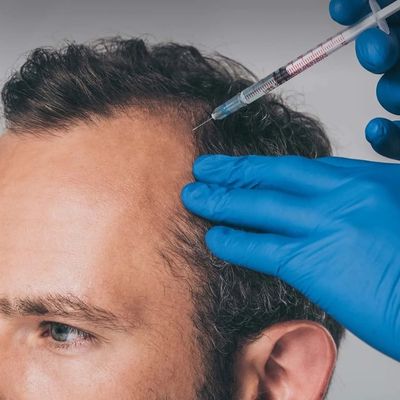
PRP treatment has become a popular option for people looking to support hair growth and address concerns related to hair thinning. Also known as platelet-rich plasma therapy, this approach uses components from a person’s own blood as part of a medical procedure intended to support the scalp and hair follicles.
However, the procedure itself is only one part of the overall process. Proper scalp care after PRP is equally important. Following the right aftercare instructions can support scalp healing, reduce unnecessary irritation, and help create suitable conditions for healthy hair and scalp function.
People considering PRP treatment in Rajajinagar often want to know what they should and should not do after their session. Questions about washing the hair, exercising, using hair products, exposure to sunlight, and returning to a regular routine are common.
The exact PRP aftercare instructions may vary depending on the technique used, the condition of the scalp, and the recommendations of the treating professional. Therefore, the specific instructions provided by your healthcare professional should always take priority.
This guide explains general post-treatment scalp care and the habits that may help support recovery after PRP hair treatment.
What Is PRP Therapy for Hair?
PRP therapy for hair refers to a treatment in which a small amount of the patient’s blood is collected and processed to concentrate platelets and plasma. This concentrated platelet rich plasma is then used as part of a treatment procedure involving the scalp.
Platelets contain various growth factors and signalling molecules involved in natural healing processes. In hair-focused applications, platelet rich plasma treatment is intended to support the environment around the hair follicles.
PRP is commonly discussed as a non-surgical hair treatment because it does not involve hair transplantation or surgical removal of scalp tissue.
It may be considered as part of a broader hair restoration treatment plan for appropriate individuals. A professional assessment is important because hair loss and thinning can have many possible causes.
Why Is Scalp Care Important After PRP?
After a scalp PRP treatment, the scalp may have temporary sensitivity, mild redness, tenderness, or slight swelling around the treated areas.
Proper post PRP care can help:
- Minimise unnecessary scalp irritation
- Support the normal healing process
- Protect the treated area
- Maintain good scalp health
- Create suitable conditions for hair follicle health
The tiny injection points also need time to settle. Following the aftercare guidance provided by your treating professional can reduce the chance of avoidable irritation.
What Should You Do Immediately After PRP Treatment?
Immediately after PRP treatment in Rajajinagar, the most important step is to follow the instructions given by your treating professional.
General recommendations may include avoiding unnecessary touching or rubbing of the scalp for a certain period. This allows the treated area to settle without additional irritation.
You may also be advised to avoid:
- Scratching the scalp
- Applying unapproved hair products immediately
- Excessive heat exposure
- Aggressive scalp massage
- Activities that cause heavy sweating for a short period
At Revive dental clinic, aftercare guidance can be discussed based on the treatment approach and individual scalp needs.
Avoid Touching and Scratching the Scalp
Itching or mild tenderness can occur temporarily after a PRP hair treatment. Although it may be tempting to scratch, doing so can irritate the scalp and affect the small treatment areas.
Instead:
- Keep your hands clean
- Avoid unnecessary touching
- Follow professional guidance if discomfort occurs
- Avoid aggressive brushing over sensitive areas
If you experience severe pain, significant swelling, or unexpected symptoms, contact your treating professional.
When Can You Wash Your Hair?
One of the most common questions after scalp PRP treatment is when normal hair washing can resume.
The answer can vary depending on the procedure and your treating professional’s instructions. Many patients are advised to wait for a specified period before washing their hair.
When you are allowed to wash:
- Use lukewarm rather than very hot water
- Handle the scalp gently
- Avoid vigorous rubbing
- Use products approved or recommended by your treating professional
- Pat the scalp and hair dry rather than rubbing aggressively
Gentle washing is an important part of scalp care after PRP because good hygiene can support overall scalp comfort without causing unnecessary irritation.
Should You Use Hair Oil or Styling Products?
Immediately after treatment, it may be advisable to avoid applying oils, gels, sprays, or other styling products until your treating professional confirms that they can be used safely.
The scalp has been treated with multiple injections and may be temporarily sensitive. Applying products too soon could potentially cause irritation or make the area more difficult to keep clean.
After the recommended waiting period, return to your normal products gradually, following professional guidance.
At Revive dental clinic, patients can discuss their regular hair-care routine and receive guidance about when to resume specific products following platelet rich plasma treatment.
Avoid Excessive Sun and Heat Exposure
Direct sunlight and excessive heat can sometimes increase scalp discomfort, especially when the skin is temporarily sensitive after treatment.
For the period recommended by your treating professional, avoid unnecessary exposure to:
- Strong direct sunlight
- Saunas
- Steam rooms
- Very hot showers
- High-heat hair styling tools
If you need to go outdoors, ask your provider about appropriate ways to protect the scalp without rubbing or irritating the treated areas.
Exercise and Sweating After PRP
Intense exercise can increase body temperature and lead to heavy sweating. This may cause discomfort or irritation on a recently treated scalp.
Your treating professional may recommend temporarily avoiding strenuous activities, particularly during the initial recovery period.
Once you are cleared to resume exercise, return gradually to your normal routine.
This is particularly important for people following a regular hair growth therapy or hair restoration treatment plan, as proper recovery after each session can help maintain consistency with the overall treatment schedule.
Managing Mild Discomfort After Treatment
Mild tenderness, tightness, redness, or a temporary headache may occur after a PRP procedure.
Your healthcare professional may provide specific instructions for managing discomfort. Do not take or avoid medications solely based on general online advice; follow the guidance provided for your particular treatment.
For concerns that are persistent, severe, or worsening, contact the treating professional for advice.
Supporting Hair Follicle Health Through Everyday Habits
PRP treatment is not a replacement for overall scalp and hair care. Long-term hair follicle health can also be influenced by everyday habits and the underlying cause of hair thinning.
Supportive habits may include:
- Following a balanced diet
- Managing scalp conditions appropriately
- Avoiding harsh or excessive chemical treatments
- Following recommended treatment plans
- Maintaining good overall scalp health
- Seeking professional advice for ongoing or worsening hair loss
At Revive dental clinic, a personalised approach to PRP therapy for hair can include discussing aftercare and supportive habits based on an individual’s scalp condition and hair-related concerns.
Follow Your Recommended Treatment Schedule
A single session of PRP hair treatment may not be the complete treatment plan for every individual. Depending on the cause and extent of hair thinning, a healthcare professional may recommend multiple sessions at specific intervals.
Following the recommended schedule can be an important part of hair growth support. However, the number of sessions and treatment frequency should be based on an individual assessment rather than a fixed plan for everyone.
Your provider may also recommend combining PRP with other approaches when appropriate. The best hair restoration treatment depends on factors such as the type of hair loss, scalp condition, medical history, and treatment goals.
Maintain Good Scalp Hygiene
Once your treating professional advises that regular washing can resume, maintaining good hygiene is an important part of post PRP care.
Use gentle techniques and avoid aggressive scratching or scrubbing. Keeping the scalp clean can help remove sweat, oil, and product buildup while supporting overall scalp health.
A gentle routine may include:
- Washing as advised by your provider
- Using suitable hair-care products
- Avoiding very hot water
- Gently drying the scalp
- Avoiding excessive product buildup
If you have dandruff, itching, or another ongoing scalp condition, discuss it with your healthcare professional rather than introducing new products immediately after treatment.
Avoid Harsh Chemical Treatments During Recovery
Chemical treatments such as hair colouring, bleaching, straightening, or perming can place additional stress on the hair and scalp.
After platelet rich plasma treatment, wait for the period recommended by your treating professional before undergoing chemical procedures.
This allows time for the treated scalp to settle and may help avoid unnecessary irritation.
If you regularly colour or chemically treat your hair, ask about the best timing before your next PRP therapy for hair session.
Be Patient With Natural Hair Growth
Hair grows slowly, and visible changes do not happen immediately after one treatment session.
The response to PRP treatment in Rajajinagar can vary depending on the underlying cause of hair thinning, the health of existing follicles, genetics, and the individual’s overall condition.
Some people may notice changes gradually, while others may require a longer treatment period or may respond differently.
Maintaining realistic expectations is an important part of any natural hair growth or hair growth therapy plan. Your treating professional can explain what may be realistic for your specific condition.
Eat a Balanced Diet to Support Hair Health
A balanced diet provides nutrients that support normal body functions, including healthy hair growth.
Focus on a varied diet that includes appropriate amounts of:
- Protein
- Iron-rich foods
- Vitamins and minerals
- Healthy fats
- Fresh fruits and vegetables
If you are concerned about nutritional deficiencies, speak with a qualified healthcare professional. Taking supplements without identifying an actual need may not address the underlying cause of hair thinning.
Good nutrition works as supportive care and should not be viewed as a replacement for professional treatment when needed.
Stay Hydrated and Support Overall Health
Adequate hydration supports normal body functions and overall skin health.
Maintaining a healthy lifestyle may also help support general wellbeing. Sleep, stress management, nutrition, and appropriate medical care can all be relevant depending on the cause of hair concerns.
For people receiving non-surgical hair treatment, maintaining healthy habits can complement a professionally guided treatment plan.
Watch for Unusual Symptoms
Mild temporary sensitivity may occur after PRP, but contact your treating professional if you notice symptoms that seem severe, unusual, or worsening.
Examples include:
- Increasing or severe pain
- Significant swelling
- Persistent bleeding
- Pus or discharge
- Signs of a significant skin reaction
- Fever or feeling unwell
Prompt professional advice is important if you are concerned about how the treated area is healing.
How PRP Fits Into a Hair Restoration Plan
PRP therapy for hair may be considered as one component of a broader approach to managing hair thinning.
A comprehensive plan may begin with identifying the reason for hair loss. Depending on the diagnosis, management may involve medical treatment, lifestyle changes, treatment of scalp conditions, or other evidence-based options.
A scalp PRP treatment plan should therefore be based on an appropriate assessment rather than assuming that PRP is suitable for every type of hair loss.
PRP may be used to support hair growth in suitable candidates, but individual results and response can vary.
Common Mistakes to Avoid After PRP Treatment
Following PRP aftercare can help you avoid unnecessary irritation. Common mistakes include:
Washing Too Soon
Wait until the time recommended by your treating professional before washing your hair.
Scratching the Scalp
Scratching can irritate sensitive treatment areas and should be avoided.
Using Harsh Products Too Early
Avoid introducing oils, chemicals, or styling products before receiving guidance about when they can be safely resumed.
Ignoring Professional Instructions
Your personal aftercare instructions take priority over general advice because they are based on your specific treatment.
Expecting Immediate Results
PRP is not an instant solution. Changes in hair follicle health and visible hair growth, when they occur, generally require time.
Long-Term Scalp Care After PRP
Good scalp care after PRP should continue beyond the first few days.
Long-term habits may include:
- Maintaining regular scalp hygiene
- Using suitable hair products
- Avoiding unnecessary heat and chemical damage
- Following your recommended treatment schedule
- Monitoring changes in hair density
- Seeking professional advice when hair thinning continues or worsens
Consistent care can support overall scalp health and complement a personalised hair growth therapy plan.
Final Thoughts
Proper aftercare is an important part of PRP treatment in Rajajinagar. After the procedure, giving the scalp time to settle, avoiding unnecessary irritation, following guidance about washing and hair products, and maintaining good long-term scalp hygiene can support a comfortable recovery.
PRP therapy for hair and platelet rich plasma treatment may be considered as part of a broader hair restoration treatment plan for suitable individuals. However, results vary, and successful treatment begins with understanding the underlying cause of hair thinning and following a personalised professional recommendation.
Whether your goal is better scalp health, improved hair follicle health, or additional hair growth support, following the correct post PRP care instructions is essential.
Revive dental clinic can provide guidance on aftercare and personalised recommendations following treatment based on individual scalp and hair needs.
Frequently Asked Questions
1. When can I wash my hair after PRP treatment?
The recommended waiting period can vary depending on the procedure and your provider’s instructions. Always follow the specific advice given by your treating professional before washing your hair.
2. Can I apply hair oil after PRP treatment?
It is generally best to wait until your treating professional advises that hair oils and other products can be safely used again. Applying products too soon may irritate the recently treated scalp.
3. Can I exercise after PRP hair treatment?
You may be advised to temporarily avoid strenuous exercise and heavy sweating after treatment. Ask your provider when you can safely return to your normal exercise routine.
4. How long does it take to see results from PRP therapy for hair?
Results vary between individuals. Hair growth is gradual, and any visible changes may take time. Your response can depend on the cause of hair thinning, your hair follicle health, and the treatment plan.
5. What should I avoid after scalp PRP treatment?
Avoid scratching or aggressively touching the scalp, washing before you are advised to do so, applying unapproved products too early, excessive heat exposure, and strenuous activity during the period recommended by your treating professional.