
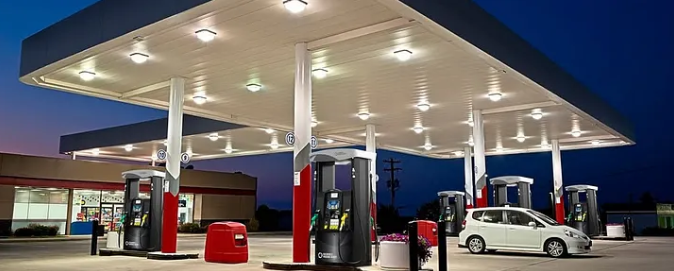
Fuel dispensers are the hardest-working machines on your property. They run in rain, heat, and freezing wind, and customers judge your whole site by them. That is why gas pump lease financing shows up in so many upgrade plans. A single dispenser can cost as much as a decent used truck once installation is included. Multiply that by four or six islands, and the number gets serious fast.
Most owners know the pumps need replacing long before they act. The delay is almost never about the equipment. It is about the check.
Why Old Dispensers Quietly Drain Money
An aging pump does not fail all at once. It slows down. Flow rates drop, hoses leak, and card readers time out during the morning rush. Drivers notice. They may not complain, but they stop coming back.
There is a scale issue too. Convenience stores sell roughly 80 percent of the fuel purchased in the United States, according to NACS. That means your forecourt competes with almost every other store in town, and speed at the pump is one of the few things you control.
Then there are the repair invoices. A technician visit, a replacement pulser, a new hanging hardware kit, plus the hours the island sits closed. Owners often spend thousands a year keeping tired equipment alive, which is money that could have covered part of a payment on new units.
How Gas Pump Lease Financing Works
The structure is straightforward. A lender pays your distributor for the dispensers and the installation. You repay in fixed monthly amounts over an agreed term, usually 36 to 72 months.
You will normally choose between three options:
- Fair market value lease. The lowest monthly payment. At the end you can buy the equipment, return it, or upgrade to newer units.
- Dollar buyout lease. Higher payments, but the dispensers are yours for a nominal amount when the term ends.
- Equipment finance agreement. You own the equipment from day one and simply repay the balance over time.
The right choice depends on how long you plan to hold the site. If you expect to sell within a few years, a lower payment protects cash flow. If the store stays in the family, ownership usually wins.
Match the Term to the Equipment Life
Dispensers often run well past a decade with proper service. A five year term on equipment that lasts twelve leaves you with years of pump uptime and no payment attached. That is the sweet spot worth aiming for. Avoid short terms that squeeze your monthly numbers just to finish faster.
What Else Belongs in the Same Deal
Rebuilding a forecourt opens the site up anyway. Crews, permits, and concrete work are already scheduled, so this is the cheapest moment to handle other projects.
Two items pair naturally with a pump replacement:
- Fuel pump equipment financing can cover tank gauges, sumps, canopy lighting, price signs, and site image packages along with the dispensers themselves.
- Beer Cave Financing covers the walk-in cooler that drives inside sales, where your real margin lives.
That second point deserves a moment. Fuel brings people to the property. Inside sales pay the bills. A cold beer cave, a fresh coffee station, and a clean restroom convert fuel customers into store customers. Financing the forecourt and the interior in one agreement keeps the paperwork simple and the payment predictable. Patriot Capital, for example, has worked only in the convenience and fuel retail market since 2000, and lenders with that kind of focus will quote the full package instead of the hardware alone.
Before You Sign a Gas Pump Lease Financing Agreement
Read the details rather than skimming the payment. Three areas cause most of the trouble later.
- Coverage. Ask in writing whether shipping, installation, and electrical work are included. Some lenders finance only the hardware, which leaves a five-figure gap you did not plan for.
- End of term language. On a fair market value lease, find out how the buyout is calculated and how much notice you must give before the term ends.
- Early payoff. Ask what happens if you sell the site or pay early. Terms vary widely between lenders.
Also ask your accountant about Section 179 and bonus depreciation before the equipment goes into service. Timing matters, and a conversation in November is far more useful than one in April.
Getting Approved Faster
Vendors that work only in this industry move quickly when your file is ready. Have these on hand:
- Signed quote from your distributor with a clear equipment list
- Two years of business tax returns
- Recent fuel volume figures for the site
- Basic ownership details for the entity signing
Lenders like Patriot Capital often turn around smaller approvals within a day or two, largely because they already understand what it costs to build a dispenser island.
A Simple Way to Decide
Ask yourself one question. Does the equipment generate money while you pay for it?
Few dispensers move more gallons per hour, fail less often, and keep your card processing up to date. If the added volume, the lower repair spend, and the improved customer experience together cover most of the payment, the deal makes sense. If they do not, the term or the equipment list needs to be adjusted.
Round and ask for the math on a normal week, not your best one. Owners who plan around holiday weekend volume tend to be surprised in February.
Final Thoughts
A tired forecourt sends customers to your competitor without ever warning you. Gas pump lease financing turns a large capital problem into a manageable monthly line item and keeps your cash where it belongs: in inventory and payroll. Get a full quote that includes installation, ask a lender to price two term lengths, and compare them against what your current pumps cost you in repairs each year. The answer is usually clear once the numbers sit side by side. Click here to get more information.
Frequently Asked Questions
1. How much does a new fuel dispenser cost?
Installed costs commonly run from $25,000 to $40,000 per dispenser. Site conditions, piping, and card reader requirements drive most of the difference.
2. Can I finance the installation and not just the pumps?
Yes. Industry lenders usually include installation, freight, and related electrical work in the same agreement. Confirm it before signing.
3. Do I need strong credit to qualify?
Not perfect credit. Lenders in this space weigh time in business, site volume, and the resale value of the equipment, so many operators qualify after a bank has passed.
4. Is leasing better than buying with cash?
It depends on your reserves. Gas pump lease financing preserves working capital and spreads the cost across the years the equipment earns for you. Paying cash avoids finance charges but ties up funds you may need for fuel drops or repairs.
5. Can I add a cooler or interior work to a pump project?
Yes. Beer Cave Financing and other interior upgrades are often bundled with fuel pump equipment financing, so the whole site improves with a single payment.