

Finding water in your basement is a lousy way to start any day. A small leak can turn into a serious repair job fast, and water can ruin flooring, walls, furniture, wiring, and everything you’ve stored down there. If it lingers, mold usually follows. The sooner you get moving, the less you’ll lose.
Basement flood cleanup should start as soon as it’s safe to walk into the space. Below is what to do, in roughly the order to do it, plus a few signs that it’s time to hand the job to a pro.
Find Where the Water Came From
Before you touch anything, figure out why the basement flooded. Common culprits are heavy rain, a burst pipe, a sump pump that quit, a sewer backup, foundation leaks, or poor drainage outside.
Stopping the source comes first. If a pipe broke, shut off the water if you can do it safely. If the water came in from outside, check how the ground and gutters around the foundation are handling runoff.
And don’t go in at all if water might have reached outlets, appliances, or wiring. You can’t see electrical danger, and it can seriously hurt you.
Keep Yourself Safe
Floodwater often carries dirt, bacteria, sewage, or chemicals, so wear waterproof gloves and sturdy boots when you handle anything wet.
Never touch electrical equipment while standing in or near water. If you suspect a hazard, call a qualified electrician before going in. Ventilation helps, but only run fans or other electrical gear when it’s safe. If the water looks like sewage or is heavily contaminated, calling a professional is usually the smartest move.
Get the Standing Water Out
The longer water sits, the more it damages. For a small amount of clean water, a wet vacuum or a utility pump can do the job.
Bigger floods need more muscle. Restoration crews bring commercial pumps and extraction systems that clear water far faster than anything you’d have at home.
Whatever you use, don’t just push water from one spot to another. It has to leave the property, and how you dispose of it depends on where it came from and how contaminated it is.
Move Your Wet Belongings
When it’s safe, haul furniture, boxes, rugs, and other stuff out of the wet zone. Start sorting into things you can save and things that are too far gone.
Porous materials soak up water like sponges. Cardboard, carpet, upholstered furniture, and some insulation are hard to rescue if they stay wet for long.
Before you toss anything, take photos. Your insurance company will probably want them.
Dry Everything Completely
Getting rid of the visible water is only half the battle. Moisture hides behind walls, under flooring, inside insulation, and in wood framing.
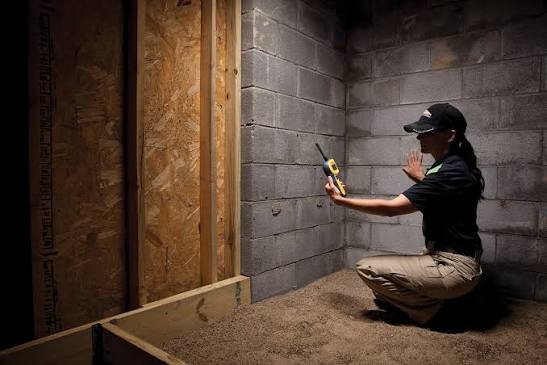
Set up fans and dehumidifiers once conditions are safe, and keep the air moving. Don’t judge dryness by touch alone. Use a moisture meter if you can get one.
Drying thoroughly is probably the most important part of basement flood cleanup. Hidden moisture keeps damaging your home even after the floor looks fine. Wood swells and warps, drywall turns soft, and flooring can lift or start to smell. Good drying helps you avoid all of that.
Look Over Your Walls and Floors
Water doesn’t stay on the surface. It can creep under flooring and into wall cavities.
Check drywall, baseboards, floors, and doors for swelling, stains, cracks, or odd smells. If something can’t be dried or safely restored, it may need to come out.
Resist the urge to put down new flooring or fresh paint over damp spots. That traps moisture and invites mold. A professional assessment can also help here, since moisture meters and similar tools find wet areas you’d never spot yourself.
Keep an Eye Out for Mold
Mold shows up when moisture hangs around in an enclosed space, and basements are prime territory because the air is stagnant and humid.
Look for dark spots, discoloration, or fuzzy patches. A musty smell can show up before you see anything.
Keeping the space dry is your best defense. If you see a lot of mold, or you think it’s growing behind the walls, have a qualified professional take a look. Wiping a small spot off a surface is one thing. Widespread contamination is another, so don’t stir up big patches of mold if you can avoid it.
Take a Second Look After Drying
Once the basement seems dry, inspect it again. Check for stains, smells, damaged materials, loose flooring, and swollen wood.
Pay extra attention to the places you skipped the first time: corners, behind furniture, around floor drains, and along walls where water pooled. Catching a problem now is cheaper than finding it later. If you still find moisture, keep drying or call for help.
Make Sure It Doesn’t Happen Again
Cleanup is only half of protecting your basement. Once the immediate mess is handled, look at how to lower the odds of a repeat.
Clean out your gutters and downspouts, and make sure water drains away from the foundation. Test your sump pump, and think about adding a backup if your basement relies on one.
Check for cracks or gaps around windows, walls, pipes, and foundation joints. If leaks keep coming back, a plumber or drainage specialist should take a look. A few simple fixes can make future basement flood cleanup unlikely, and can limit the damage if water does get in again.
When to Call a Professional
Some floods are simply too big or too messy to tackle on your own. Bring in a pro if you’re dealing with a lot of standing water, sewage, electrical risk, widespread mold, or moisture you can’t locate.
Restoration companies have the extraction, drying, and detection equipment to do it right, and they can assess what’s salvageable and map out a plan. Professional basement flood cleanup is especially worthwhile when water has gotten into walls, subfloors, insulation, or other hidden spaces. Acting quickly can head off structural damage and shorten the whole restoration.
The Bottom Line
A flooded basement feels overwhelming, but the path is straightforward. Stop the source, stay safe, remove the water, dry everything, deal with damaged materials, and keep moisture under control.
Keep photos and records of the damage, particularly if you’ll file an insurance claim, and hold off on repairs that might hide how bad things were before you’ve documented them.
The goal of basement flood cleanup isn’t just getting rid of the water you can see. The whole space needs to be dried, inspected, and properly restored. If you move fast and deal with the hidden moisture as well as the obvious, you’ll protect your home from long-term trouble.