

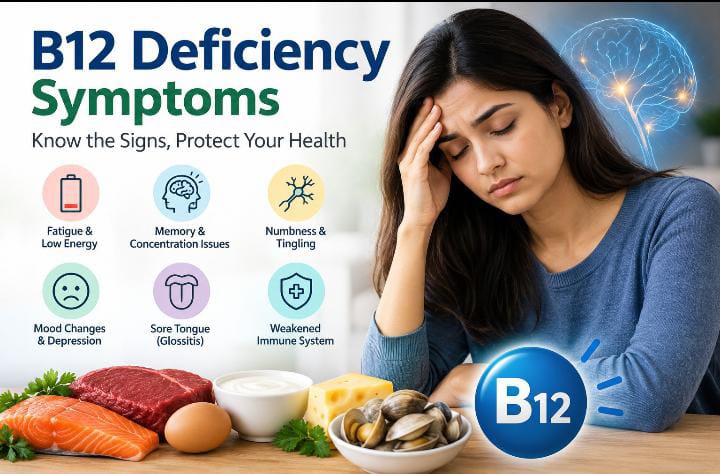
Vitamin B12 is an essential nutrient that supports normal nerve function, red blood cell formation, and DNA production. Getting enough vitamin B12 is important for maintaining overall health, especially for people who eat little or no animal-based food. If you often feel tired, experience unusual weakness, or have concerns about your nutrient intake, understanding vitamin B12 can help you make more informed choices. However, these symptoms can have several causes and do not automatically mean you have a deficiency.
Finding the best vitamin B12 option depends on your diet, nutritional needs, and whether a deficiency has been confirmed. Some people can obtain enough through their usual diet, while others may benefit from fortified foods or supplements. This guide explains the benefits of vitamin B12, its best food sources, different supplement forms, and practical ways to choose an appropriate option.

What Is the Best Vitamin B12 for Your Health?
Vitamin B12, also called cobalamin, is a water-soluble vitamin that helps your body maintain healthy blood cells and a properly functioning nervous system. Your body cannot produce it on its own, so you need to obtain it through food, fortified products, or supplements.
There is no single best vitamin B12 supplement for everyone. The right option depends on your dietary habits, the reason you need B12, your ability to absorb it, and advice from a qualified healthcare professional.
Benefits of Vitamin B12 for Everyday Health
One of the main benefits of vitamin B12 is its role in producing healthy red blood cells. These cells transport oxygen throughout your body. When B12 levels become too low, red blood cell production can be affected, potentially causing a type of anemia.
Vitamin B12 also helps maintain the protective covering around nerves and supports normal neurological function. Adequate levels are important for processes involved in DNA synthesis and cell division.
Although vitamin B12 is often marketed as an energy booster, supplements do not generally improve energy in people who already have adequate levels. If a deficiency is responsible for fatigue, correcting it may help improve symptoms. Persistent tiredness should still be evaluated because iron deficiency, sleep problems, thyroid conditions, and other issues can also cause fatigue.
Best Vitamin B12 Foods for Daily Nutrition
Food is a useful starting point for meeting your vitamin B12 needs. Naturally occurring B12 is mainly found in animal-based foods, while certain fortified products provide alternatives for people following plant-based diets.
Good sources include:
- Fish: Salmon, sardines, trout, and other fish provide vitamin B12 along with other important nutrients.
- Meat: Beef and other meats can contribute to daily B12 intake.
- Eggs: Eggs contain vitamin B12, although the amount varies.
- Milk and dairy products: Milk, yogurt, and cheese can help supply B12.
- Fortified foods: Some breakfast cereals, plant-based milks, and nutritional yeast products contain added B12. Check the nutrition label to confirm.
People following a vegan diet should plan their B12 intake carefully because unfortified plant foods are not reliable sources of this vitamin. Fortified foods or an appropriate supplement may be necessary.
How to Choose the Best Vitamin B12 Supplement
Supplements may be helpful when dietary intake is insufficient, a deficiency has been diagnosed, or a medical condition affects absorption. The best product is not necessarily the one with the highest dose or the most expensive ingredients. It is the one that meets your specific needs safely and reliably.
Vitamin B12 Tablets, Capsules, and Other Forms
Vitamin B12 supplements are available in tablets, capsules, liquids, dissolvable tablets, and sublingual products that dissolve under the tongue. These formats offer different ways to take the vitamin, but one is not automatically superior for everyone.
Two common forms are cyanocobalamin and methylcobalamin. Both provide vitamin B12, and the body can use them. Cyanocobalamin is a widely used, stable form found in many supplements. Methylcobalamin is another form available in supplement products. Current evidence does not establish that methylcobalamin is universally better for everyday use.
When comparing products, check the amount of B12 per serving, the ingredient list, the manufacturer’s quality standards, and any relevant allergens. Avoid choosing a product based only on claims that it delivers instant energy, improves memory, or produces dramatic health results.
How Much Vitamin B12 Do You Need?
The recommended daily amount for most adults is 2.4 micrograms. Requirements differ during pregnancy and breastfeeding, and children have age-specific recommendations. These daily requirements are not the same as the doses used in supplements to treat a confirmed deficiency.
Some supplements contain much larger amounts than the daily requirement. This does not automatically make them unsafe or more effective. Vitamin B12 absorption varies, and people with a diagnosed deficiency or absorption problems may need a treatment plan that uses higher oral doses or injections.
Speak with a healthcare professional before selecting a treatment dose, particularly if you have digestive conditions, have had gastrointestinal surgery, take medicines that can affect B12 levels, or have persistent symptoms. Do not delay assessment of suspected deficiency simply because you have started taking a supplement.
Vitamin B12 Deficiency, Safety, and Healthy Habits
Understanding deficiency can help you recognize when professional advice may be useful. However, symptoms alone cannot confirm that your B12 level is low. Testing and an assessment of your health history can help identify the cause and guide suitable treatment.
Signs of Vitamin B12 Deficiency to Watch For
Vitamin B12 deficiency can develop gradually, and symptoms vary from person to person. Possible signs include tiredness, weakness, pale skin, a sore or red tongue, mouth ulcers, and changes in memory or concentration. Some people experience pins and needles, numbness, balance difficulties, or other nerve-related symptoms.
These symptoms can overlap with other health conditions. A healthcare professional may recommend blood tests to assess B12 status and investigate other possible causes. In some cases, additional tests may be useful when initial results are unclear.
For a more detailed discussion of possible warning signs, read our related article, B12 Deficiency Symptoms. Add an internal link to your existing article using this anchor text. Keep that article focused on recognizing symptoms, while this guide focuses on food sources and choosing supplements.
Nerve-related symptoms deserve particular attention because prolonged B12 deficiency can cause lasting problems. Seek medical assessment promptly if you develop unexplained numbness, tingling, or difficulty with balance.
Safe Supplement Use and Practical Nutrition Tips
Before starting a vitamin B12 supplement, consider how much you already get from food, fortified products, and any multivitamin you use. Reading labels helps you avoid taking multiple products unnecessarily.
Choose supplements from reputable manufacturers that provide clear ingredient and dosage information. If you are vegan or vegetarian, identify a reliable source of B12 rather than assuming that all plant foods contain enough of the vitamin.
People with certain digestive conditions, a history of stomach or intestinal surgery, or problems absorbing nutrients may need medical treatment rather than dietary changes alone. Some medicines, including metformin and certain acid-reducing medicines, can contribute to low B12 levels in some people. Do not stop prescribed medication without consulting your healthcare professional.
A balanced diet also supports overall nutritional health. Protein-rich foods, vegetables, whole grains, and suitable sources of other vitamins and minerals can contribute to a healthy eating pattern. You can also explore our related article, Vitamin D Deficiency Symptoms, for more information about recognizing potential nutritional concerns. Add an internal link to the existing article rather than repeating its full content here.
Conclusion
Choosing the best vitamin B12 starts with understanding your diet, nutritional needs, and health status. Fish, meat, eggs, dairy products, and fortified foods can help supply this essential nutrient. Supplements may be useful for people who do not obtain enough B12 from food or who need treatment for a deficiency.
The best vitamin B12 supplement for adults depends on individual circumstances, not just the product’s dose or form. If you have persistent fatigue, tingling, numbness, or other possible deficiency symptoms, seek professional assessment instead of relying on supplements alone. A suitable evaluation can help determine whether you need dietary changes, an oral supplement, or another treatment.
With informed food choices, reliable information, and appropriate medical guidance, you can take practical steps to support your long-term nutritional health.
Frequently Asked Questions
1. What is the best vitamin B12 supplement for adults?
The best option depends on your diet, absorption, and health needs. Cyanocobalamin and methylcobalamin are common forms. A healthcare professional can help you select an appropriate product and dose, particularly if you have a confirmed deficiency.
2. Which foods contain the most vitamin B12?
Fish, shellfish, meat, and certain organ meats are rich sources. Eggs and dairy products also provide B12. Fortified cereals and fortified plant-based products can be useful alternatives for people who avoid animal foods.
3. Can vitamin B12 help with tiredness and low energy?
Correcting a B12 deficiency may improve fatigue caused by that deficiency. However, taking extra B12 generally does not increase energy in people whose levels are already adequate. Persistent fatigue needs proper evaluation.
4. Is it safe to take vitamin B12 every day?
Daily B12 can be appropriate when it meets your nutritional needs or prescribed treatment plan. The right amount depends on the product and your circumstances. Check the label and consult a healthcare professional if you are treating a suspected or confirmed deficiency.
5. How do I know if I have vitamin B12 deficiency?
Possible signs include fatigue, weakness, a sore tongue, memory changes, and tingling or numbness. These symptoms have other possible causes, so a healthcare professional can assess your symptoms and recommend appropriate blood tests.