

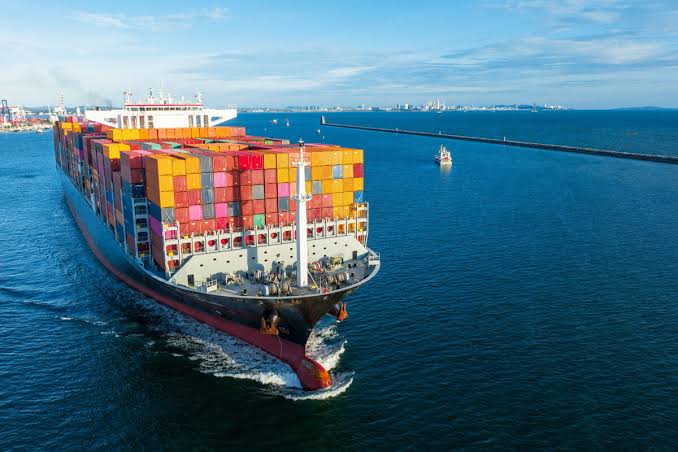
Afghanistan has no coastline of its own. Every container of imported goods reaching Kabul, Kandahar, or Herat has already traveled through someone else’s port and road network first. For a significant share of this trade, that journey begins at Karachi, Pakistan’s largest port city and the main gateway linking Afghanistan to the sea.
This guide walks through the actual physical journey goods take from the moment they arrive at Karachi Port until they reach their final destination inside Afghanistan, explaining each stage of a process that involves multiple customs authorities, a long overland route, and careful documentation along the way.
Why Karachi Is the Starting Point
Karachi hosts two of Pakistan’s primary port facilities, Karachi Port itself and Port Muhammad Bin Qasim nearby. Both handle significant volumes of cargo destined for transit onward to Afghanistan, alongside the regular import and export trade serving Pakistan’s own domestic market.
For shippers sending goods from international origins, whether from the UAE, China, or elsewhere, routing through Karachi makes practical sense. It offers established shipping line connections, port infrastructure built to handle high container volumes, and a well-established transit trade framework specifically designed to move Afghan-bound cargo through Pakistani territory without the goods being treated as a standard Pakistani import.
Arrival and Port Clearance
When a vessel carrying Afghan transit cargo arrives at Karachi, the container is discharged and moved into the port terminal, where it enters a specific customs process distinct from standard import clearance. Because this cargo is destined for onward transit rather than local consumption within Pakistan, it is processed under a transit trade regime, meaning Pakistani import duty generally does not apply, provided the shipment is properly documented and bonded for its onward journey.
This stage involves verifying the shipment against its transit declaration, confirming the cargo matches what was declared on the bill of lading and commercial invoice, and arranging for the container to be released from the port under a bonded transit arrangement. Any discrepancy between the declared cargo and the actual contents discovered during this process can delay the shipment considerably, which is why accurate documentation from the very start of the shipping process matters so much for transit cargo specifically.
Moving Overland Through Pakistan
Once cleared for transit, the cargo begins its overland journey by truck, traveling north through Pakistan toward the Afghan border. This is a substantial distance, covering roughly 1,500 kilometers or more depending on the exact origin point within Karachi and the specific border crossing being used.
The route typically passes through major Pakistani cities and transport corridors, with trucks moving under bonded transit status throughout this leg of the journey. This bonded status matters because it confirms, from a legal and customs perspective, that the goods are genuinely passing through Pakistani territory rather than being diverted into the local Pakistani market along the way, something customs authorities monitor closely given the financial incentive diversion would otherwise create.
Reaching the Border Crossing
Depending on the final destination inside Afghanistan, cargo typically exits Pakistan through one of two main crossings. Torkham, located near Peshawar, serves as the primary route toward Kabul and eastern Afghanistan. Chaman, located near Quetta, serves as the primary route toward Kandahar and southern or western Afghanistan.
At the crossing point, Pakistani and Afghan customs authorities process the handover of the cargo, verifying documentation and, in many cases, conducting physical inspection before the trucks are permitted to cross into Afghan territory. This step has historically been a point of potential delay, particularly during periods when border conditions have been affected by broader security or diplomatic developments between the two countries, something shippers planning this route should factor into their timeline expectations rather than assuming guaranteed smooth passage.
What Happens on the Afghan Side
Once cargo crosses into Afghanistan, it enters Afghan customs jurisdiction, where it is processed according to Afghan import procedures if the goods are entering the local Afghan market, or continues under further transit arrangements if the cargo is actually destined for a third country such as Uzbekistan, Tajikistan, or another Central Asian destination reachable through Afghan territory.
From the border, goods continue overland toward their final destination within Afghanistan, whether that is Kabul, Kandahar, Herat, or another city, using Afghanistan’s domestic road network for this final leg of the journey.
Documentation That Travels With the Cargo
Throughout this entire journey, specific documentation needs to accompany the shipment and remain consistent at every stage. This includes the original bill of lading or its equivalent transit documentation, the commercial invoice and packing list matching the declared cargo, and the transit bond or guarantee confirming the shipment’s bonded status while moving through Pakistani territory.
Any inconsistency between these documents, discovered at any stage of the journey, risks triggering delays, additional inspection, or in more serious cases, questions about whether the shipment is genuinely intended for transit rather than diversion into the Pakistani domestic market. This is why experienced logistics providers place such heavy emphasis on document accuracy from the very beginning of the booking process, rather than treating paperwork as a formality to sort out later.
Why This Route Faces Real Operational Challenges
It would be misleading to describe this journey as a simple, predictable process. The overland route through Pakistan, combined with border crossing conditions that have experienced significant disruption in recent years, means that actual transit times can vary considerably depending on current circumstances at the time of shipment.
Security conditions, diplomatic relations between Pakistan and Afghanistan, and periodic closures of the Torkham and Chaman crossings have all affected how reliably this corridor functions at different points in recent history. Shippers relying on this route for time-sensitive cargo should build realistic contingency into their planning, rather than assuming historical average transit times will automatically apply to their specific shipment.
Why Local Coordination Matters So Much
Given the number of stages involved, from Karachi port clearance through overland transit to border crossing and onward Afghan customs processing, having coordinated oversight across the entire journey makes a meaningful difference in how smoothly cargo actually moves. A shipment managed by disconnected parties at each stage, with no single team tracking its progress from port to final destination, is far more vulnerable to delays going unnoticed or unaddressed until they become significant problems.
This is part of why logistics providers with their own direct presence in Karachi, rather than relying entirely on third-party local agents, tend to offer more reliable coordination for this specific route, since they can track and respond to issues at each stage of the journey directly rather than waiting on updates filtered through multiple intermediaries.
How Noble Line Logistics Supports This Route
Operating its own Karachi office gives Noble Line Logistics LLC direct visibility into port clearance, bonded transit documentation, and coordination with the overland journey toward Afghanistan, rather than depending on a separate, unaffiliated local partner for this stage of the process.
Traders planning shipments along this route can review more detail on how transit coordination through Pakistan is handled on the Re-Export and Transit services.