

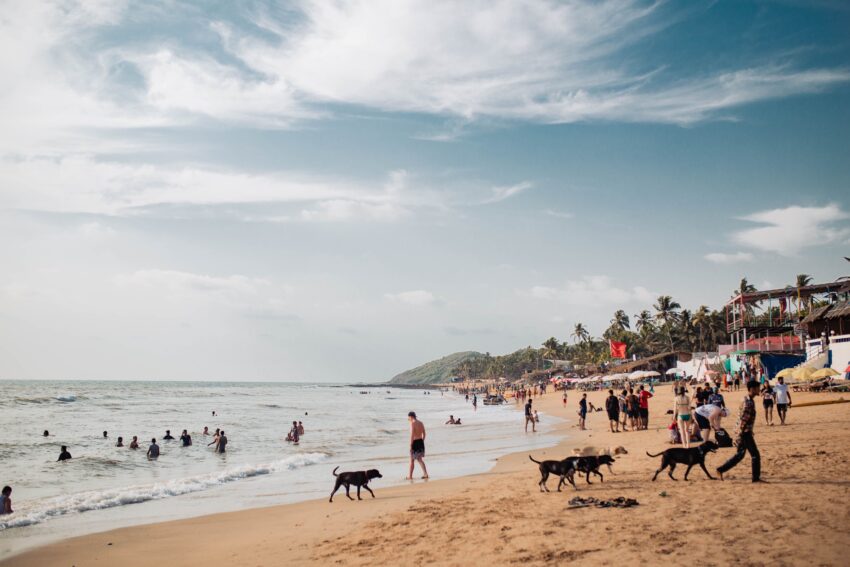
North and South Goa feel like two entirely different countries sharing the same coastline. If you book a hotel in Calangute hoping for empty stretches of golden sand and early-night quiet, you are going to be disappointed. If you end up in Agonda expecting late-night beach shacks, loud music, and easy scootering between party spots, you will be bored within twenty-four hours.
That distinction is where most holiday planning falls apart. Picking a good Goa tour package isn’t about finding the lowest price on a hotel-and-cab bundle; it is about matching the itinerary to how you actually like to travel.
Understanding the North vs. South Split
Before comparing prices or reading itinerary details, figure out which side of the state fits your group.
North Goa—spanning areas like Baga, Anjuna, Vagator, and Candolim—is dense, noisy, and fast-paced. It is where you go for night markets, water sports, crowded beach shacks, and a dense concentration of restaurants. Getting around involves navigating narrow coastal roads that get heavily congested between December and January.
South Goa—covering Palolem, Varca, Cavelossim, and Majorda— operates at a much slower rhythm. The beaches are wider, cleaner, and significantly quieter. The resorts here tend to occupy larger properties with direct beach access, making them better suited for families with small kids, older travelers, or anyone looking to spend three days reading under an umbrella.
A common mistake is trying to see both ends of the state in a four-day trip. Moving from Baga down to Palolem takes nearly two hours each way depending on highway traffic. Pick one base, or split your stay if you have six days or more.
Choosing the Right Season
Goa changes dramatically depending on when you arrive, and package pricing reflects that directly.
-
Peak Season (November to February): Dry weather, pleasant evenings, and full operational capacity for water sports and beach shacks. Prices for accommodation and local transport peak around Christmas and New Year.
-
Shoulder Season (October, March to May): October brings the end of the rains and fewer crowds. March and April are warm and humid, but hotels drop their rates significantly. It is a smart window for travelers on a moderate budget.
-
Monsoon Season (June to September): The beach shacks close, sea swimming is restricted due to rough water, and water sports pause entirely. However, the countryside turns bright green, waterfalls like Dudhsagar operate at full volume, and luxury resorts offer heavy discounts.
If your primary goal is swimming and nightlife, stick to November through March. If you want a quiet getaway, lush greenery, and heritage walks through Old Goa, monsoon travel offers excellent value.
What a Complete Package Should Actually Include
Not all travel bundles are built the same. When reviewing itineraries, look past the shiny hotel photos and check the operational logistics.
A solid itinerary should cover:
-
Airport or Railway Transfers: Dabolim Airport (GOI) and Manohar International Airport in Mopa (GOX) sit at opposite ends of the state. Taxis from Mopa to South Goa can be expensive if not pre-arranged in your booking.
-
Internal Transport: Renting a self-drive car or scooter works well for couples, but families usually need a dedicated vehicle. Ensure the private cab inclusion specifies dedicated hours or day-trips rather than just a simple drop-off service.
-
Breakfast Options: Having breakfast included at your hotel saves time, but leave lunches and dinners open. Goa’s culinary scene—from roadside Thali joints in Panaji to contemporary restaurants in Assagao—is too varied to spend every evening at a resort buffet.
If you are looking for flexibility, you can explore a customized Goa package that allows you to swap out rigid sightseeing tours for free days to explore at your own pace.
Beyond the Beaches: Inland Experiences Worth Adding
Most first-time visitors spend their entire stay within a few hundred meters of the ocean. While the coast is the main draw, the interior parts of the state carry deep history and distinct local character.
-
Fontainhas (The Latin Quarter): Located in Panaji, this neighborhood features narrow streets lined with 19th-century Portuguese-style houses, hand-painted azulejo tiles, and small bakeries serving warm pão and custard tarts. Walk through early in the morning before the afternoon heat sets in.
-
Spice Plantations in Ponda: A short drive inland takes you to spice farms growing cardamom, black pepper, and vanilla. Most tours include a traditional Goan lunch served on banana leaves.
-
Old Goa Churches: The Basilica of Bom Jesus and Se Cathedral showcase massive colonial architecture and sit just fifteen minutes outside the capital.
Adding even one half-day inland excursion gives your trip far more balance than sitting on the same beach chair for four straight days.
Transport Logistics and Getting Around Locally
Getting around Goa catches many travelers off guard. Ride-hailing apps like Uber and Ola do not operate here in the standard way. Local taxis operate on fixed regional union rates, which means short trips between neighboring beaches can cost more than expected.
If your package does not include a dedicated car and driver, factor in local transport costs early:
-
Scooter Rentals: Popular for solo travelers and couples in North Goa. Expect to pay between ₹300 and ₹600 per day depending on the season, plus fuel. Always check the brakes and tire condition before riding off, and keep your valid driver’s license handy.
-
Self-Drive Cars: Hatchbacks and small SUVs are widely available for rent. They offer air-conditioned comfort, but parking near popular North Goa beaches like Baga or Calangute during peak evening hours can test your patience.
-
Pre-booked Cabs: Best for families or group travel. Having a driver who knows local backroutes saves considerable time when main coastal roads gridlock around sunset.
How to Avoid Common Booking Pitfalls
To ensure your trip runs smoothly, keep a few practical checks in mind before confirming any booking:
-
Verify Mopa vs. Dabolim: Double-check which airport your flight lands at. Mopa serves the far north, while Dabolim is central. Booking a resort in Palolem while landing at Mopa means a two-hour taxi ride right off the plane.
-
Ask About Shack Operational Dates: Temporary beach shacks are dismantled every year during the monsoon and rebuilt around late October or early November. If you visit in mid-October, many shacks might still be under construction.
-
Check Hotel Locations on a Map: Descriptions like “5 minutes from the beach” often mean a 20-minute walk along a busy main road without sidewalks. Look up the exact property coordinates beforehand.
By matching the location to your preferred pace, planning around the local weather, and setting a realistic itinerary, you can easily build a beach holiday that feels effortless from start to finish.