
Plastic waste has become one of the most pressing environmental concerns of our time. From oceans filled with debris to overflowing landfills, the impact of single-use plastics is impossible to ignore. Among the everyday items people often question are Ziploc bags. They’re convenient, widely used, and seemingly harmless—but what happens after you throw them away?
If you’ve ever asked yourself, “Are Ziploc bags recyclable?”, this guide will give you a clear, honest, and practical answer—along with actionable steps you can take to reduce your environmental footprint.
Yes, But Not in Your Curbside Bin
Ziploc bags are technically recyclable, but there’s a catch:
You cannot recycle them in your regular household recycling bin.
Most Ziploc bags are made from low-density polyethylene (LDPE), a recyclable plastic classified as #4. While this material is recyclable, it requires specialized processing that most curbside recycling programs are not equipped to handle.
Why Ziploc Bags Are Difficult to Recycle
If the material is recyclable, why aren’t they accepted everywhere? The answer lies in how recycling systems are designed.
1. They Are Considered Plastic Film
Ziploc bags fall under the category of plastic film, which includes:
-
Grocery bags
-
Bread bags
-
Shrink wrap
-
Dry cleaning bags
Unlike rigid plastics (like bottles and containers), plastic film is thin and flexible, making it harder to process.
2. They Jam Recycling Machinery
In recycling facilities, items are sorted using automated systems with rotating screens and conveyor belts. Thin plastic bags can wrap around machinery, causing:
-
Equipment damage
-
Operational delays
-
Increased maintenance costs
Because of this, many facilities simply prohibit them.
3. They Often Contain Food Residue
Used Ziploc bags frequently contain crumbs, grease, or moisture. Contamination is a major issue in recycling because it can ruin entire batches of otherwise recyclable materials.
A single dirty bag can contribute to a load being rejected and sent to landfill.
4. Limited Recycling Infrastructure
Not all recycling centers have the technology needed to process flexible plastics. As a result, many municipal programs exclude them entirely.
How to Recycle Ziploc Bags Properly
Even though they can’t go in your curbside bin, you still have options.
1. Store Drop-Off Recycling Programs
Many grocery stores and large retailers offer collection bins specifically for plastic film. These programs accept:
-
Ziploc bags
-
Shopping bags
-
Produce bags
-
Plastic wrap
The collected materials are sent to specialized facilities that recycle them into new products.
Tip: Look for bins near store entrances or customer service areas.
2. Follow the “Clean and Dry” Rule
Before recycling, make sure your bags are:
-
Completely clean
-
Fully dry
-
Free from food particles
If a bag is greasy or heavily soiled, it’s better to throw it away than contaminate a recycling batch.
3. Check Local Guidelines
Recycling rules vary by location. Some cities have pilot programs or expanded capabilities for handling plastic film.
Always verify with your local waste management authority to avoid “wish-cycling.”
Is Reusing Better Than Recycling?
Yes—reusing is almost always the better option.
Ziploc bags are designed to be durable, which means they can often be reused multiple times if properly cleaned and maintained.
Safe Ways to Reuse Ziploc Bags
You can safely reuse bags that have held:
-
Dry snacks
-
Sandwiches
-
Fruits and vegetables
Avoid reusing bags that stored:
-
Raw meat or poultry
-
Fish
-
Eggs
These can harbor bacteria and pose health risks.
How to Clean Ziploc Bags for Reuse
Cleaning your bags effectively extends their lifespan and reduces waste.
Simple Cleaning Method:
-
Turn the bag inside out
-
Wash with warm water and mild soap
-
Rinse thoroughly
-
Air dry completely
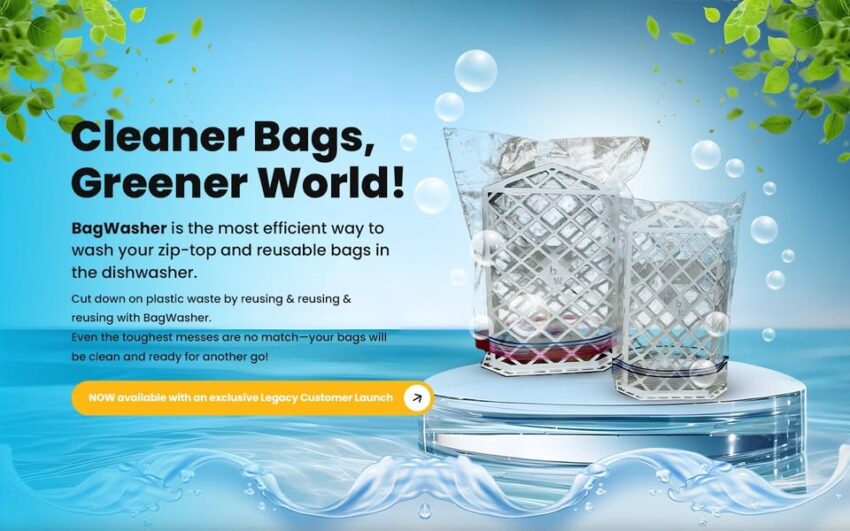
For a more efficient solution, tools designed specifically for cleaning and drying reusable bags can make the process easier and more hygienic.
What Happens When Ziploc Bags Are Recycled?
When properly collected and processed, recycled plastic film is transformed into durable products such as:
-
Composite lumber
-
Outdoor furniture
-
Decking materials
-
Playground equipment
This process helps keep plastic out of landfills and reduces the need for virgin materials.
Environmental Impact of Ziploc Bags
While convenient, Ziploc bags contribute to the broader issue of plastic pollution.
Key Concerns:
-
Longevity: Plastic bags can take hundreds of years to decompose
-
Low Recycling Rates: A large percentage never gets recycled
-
Pollution Risk: They can easily escape waste systems and end up in oceans
Because of their lightweight nature, they are particularly prone to becoming litter.
Common Recycling Mistakes to Avoid
Many people try to recycle responsibly but unknowingly make errors that undermine the system.
Here are some mistakes to watch out for:
-
Putting Ziploc bags in curbside recycling bins
-
Recycling bags with food residue
-
Mixing plastic film with rigid plastics
-
Assuming all plastics are recyclable everywhere
Avoiding these mistakes helps improve recycling efficiency overall.
Eco-Friendly Alternatives to Ziploc Bags
If you want to go beyond recycling, consider switching to more sustainable options.
1. Reusable Silicone Bags
Long-lasting, flexible, and dishwasher-safe.
2. Glass or Stainless Steel Containers
Ideal for food storage without plastic waste.
3. Beeswax Wraps
Great for wrapping sandwiches, fruits, and snacks.
4. Cloth Storage Bags
Perfect for dry goods and pantry items.
Reducing Your Plastic Footprint
Sustainability doesn’t require perfection—it starts with small, consistent choices.
Here are a few practical tips:
-
Reuse bags as many times as possible
-
Wash and dry them properly
-
Keep a separate collection for plastic film
-
Take them to store drop-off points regularly
-
Choose reusable alternatives when possible
The Role of Awareness in Recycling
One of the biggest challenges in recycling is misinformation. Many people assume that if something is plastic, it can go into the recycling bin—but that’s not always true.
Understanding the difference between recyclable materials and accepted materials is key.
By making informed decisions, you:
-
Reduce contamination in recycling systems
-
Improve efficiency
-
Support sustainable waste management
Final Verdict: Are Ziploc Bags Recyclable?
Yes—but only under specific conditions.
To summarize:
-
Ziploc bags are made from recyclable plastic (#4 LDPE)
-
They are not accepted in curbside recycling
-
They can be recycled through store drop-off programs
-
They must be clean and dry before recycling
Most importantly, the best approach is to:
Reuse first
Recycle correctly
Reduce whenever possible
Why This Matters for You
Every small action contributes to a larger environmental impact. By learning how to properly handle everyday items like Ziploc bags, you’re taking a meaningful step toward a more sustainable lifestyle.
At Bag Washer, we believe sustainability should be practical and accessible. By extending the life of the products you already use, you can significantly cut down on waste without sacrificing convenience.
Take the Next Step
If you’re looking for an easier way to clean and reuse your Ziploc bags, explore solutions designed to simplify the process.
Visit: https://bagwasher.com
Make sustainability part of your daily routine—one bag at a time.