
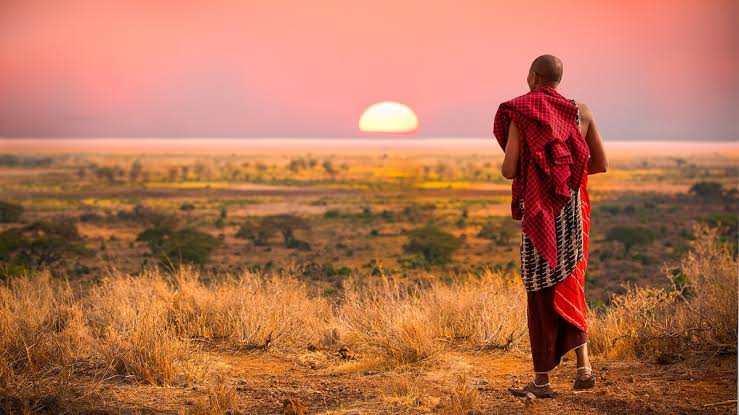
When people think of Tanzania, they usually picture vast savannahs, the Great Wildebeest Migration, or the soaring peak of Mount Kilimanjaro. While Tanzania’s natural wonders are famous worldwide, the country also holds a deep historical and cultural legacy that spans millions of years.

From early human ancestors to ancient Swahili trading cities and poignant coastal heritage ports, Tanzania offers an unforgettable journey into the past. Before packing your bags, securing your Tanzania Tourist e-Visa in advance makes traveling across these historic destinations smooth and hassle-free.
If you are a history enthusiast looking to explore beyond the standard safari circuit, here are the top cultural heritage sites in Tanzania that belong on your travel itinerary.
1. Stone Town, Zanzibar: A Fusion of Swahili, Arab, and Indian Cultures
Located on the island of Unguja in the Zanzibar archipelago, Stone Town is a UNESCO World Heritage Site that feels like a living museum. As a primary trading hub in the Indian Ocean for centuries, Stone Town developed a unique cultural blend of African, Arab, Persian, Indian, and European influences.
Key Highlights for History Enthusiasts:
- The Carved Wooden Doors: Walk through the narrow, winding alleys to spot intricate brass-studded wooden doors, each reflecting the heritage and wealth of the original house owner.
- The Old Fort (Ngome Kongwe): Built by Omani Arabs in the late 17th century to defend against the Portuguese, this heavy stone fortress is the oldest standing structure in Stone Town.
- The House of Wonders (Beit-al-Ajaib): Built in 1883 for the Sultan of Zanzibar, it was the first building in Zanzibar to feature electricity and an elevator.
- The Former Slave Market & Anglican Cathedral: A deeply moving historical site commemorating the victims of the East African slave trade, featuring preserved holding cells and a memorial sculpture.
2. Olduvai Gorge: Walking in the Footsteps of Early Humans
Tanzania is widely recognized as the “Cradle of Mankind,” and nowhere is this more evident than at Olduvai Gorge (officially Oldupai Gorge). Situated within the Ngorongoro Conservation Area, this steep-sided ravine is one of the world’s most important paleoanthropological sites.
Why It Matters:
- Pioneering Discoveries: In the mid-20th century, archaeologists Louis and Mary Leakey uncovered hominin fossils and stone tools dating back nearly two million years, including specimens of Paranthropus boisei and Homo habilis.
- Laetoli Footprints: Located nearby, the famous Laetoli site preserves hominin footprints embedded in ancient volcanic ash, proving early human ancestors walked upright over 3.6 million years ago.
- The Olduvai Museum: A modern visitor center overlooking the gorge offers detailed exhibits on human evolution, fossil displays, and interactive guides.
3. Kilwa Kisiwani and Songo Mnara: Ruins of a Medieval Swahili Empire
Off the southern coast of Tanzania lie the islands of Kilwa Kisiwani and Songo Mnara, home to the remains of two medieval trading cities. Between the 13th and 15th centuries, the Sultanate of Kilwa controlled much of the Swahili Coast’s gold, ivory, and spice trade.
If you are planning an extended itinerary to visit coastal ruins like Kilwa, completing your online Tanzania Tourist e-Visa application ahead of time ensures you have valid entry entry permissions ready upon arrival.
Must-See Historical Landmarks:
- The Great Mosque of Kilwa: Once the largest mosque in Sub-Saharan Africa, featuring grand domed roofs and intricate coral-stone architecture.
- Palace of Husuni Kubwa: Built by Sultan al-Hasan ibn Sulaiman in the 14th century, this expansive cliffside palace featured over 100 rooms, an octagonal swimming pool, and grand courtyards.
- Historical Significance: Renowned Moroccan explorer Ibn Battuta visited Kilwa in 1331 and praised it as one of the most beautiful and well-built cities in the world.
4. Kondoa Rock-Art Sites: Ancient Canvas of Early Societies
Tucked away in the hills of central Tanzania near Dodoma, the Kondoa Rock-Art Sites feature a collection of over 150 rock shelters decorated with thousands of prehistoric rock paintings.
Highlights of Kondoa:
- Spiritual Legacy: Created over thousands of years by hunter-gatherer and agricultural societies, these paintings depict human figures, animals (such as giraffes and elephants), and hunting scenes.
- Living Culture: Beyond their archaeological value, many of these rock shelters remain active sacred spaces used by local communities for traditional rituals and rainmaking ceremonies.
5. Bagamoyo Historical Town: Port of History and Memory
Located just 75 kilometers north of Dar es Salaam, Bagamoyo was a major 19th-century trading hub and the final mainland stop for caravans carrying ivory and enslaved people from the African interior before shipment to Zanzibar. Later, it served as the original capital of German East Africa.
Places to Explore in Bagamoyo:
- Kaole Ruins: Located just south of Bagamoyo, these ruins date back to the 13th century and contain two of the oldest coral-stone mosques in East Africa along with ancient tombs.
- Caravan Serai: A historical compound where trade caravans gathered before heading into the interior or departing for the coast.
- Old Fort and Boma: Buildings reflecting Omani and German colonial architectural styles.
- Bagamoyo Catholic Mission: Established in 1868, it played a pivotal role in the abolitionist movement and was the temporary resting place for explorer David Livingstone’s body before it was returned to England.
6. Isimila Stone Age Site: Ancient Tools and Natural Wonders
Located near the southern highland city of Iringa, Isimila is a rare combination of archaeological significance and breathtaking natural geography.
Why History Lovers Enjoy Isimila:
- Acheulean Stone Tools: Excavations at Isimila revealed thousands of fine hand axes, scrapers, and cleavers dating back between 600,000 and 300,000 years, offering a clear view into early human craftsmanship.
- The Earth Pillars: A scenic trail leads visitors through a canyon surrounded by tall, sculpted sandstone pillars created by centuries of natural erosion.
Essential Travel Tips for Cultural Tourism in Tanzania
- Get Your Travel Documentation Ready: Foreign travelers planning a heritage vacation should apply for Tanzania Tourist e-Visa online before departure to avoid long airport queues.
- Respect Local Customs: When visiting coastal areas like Stone Town and Bagamoyo, dress modestly out of respect for local Islamic traditions (covering shoulders and knees).
- Hire Local Guides: Engaging certified local guides at archaeological sites ensures you gain deep context and support local host communities.
Planning Your Journey: Why Choose Us for Your Tanzania Tourist e-Visa?
Preparing for an international heritage tour requires careful planning, and securing your entry visa should be seamless. Here is how our team helps make your travel preparation hassle-free:
- Reliable Travel Visa Services: Our global approach has assisted numerous travelers in obtaining their Visa smoothly and securely.
- Round-the-Clock Assistance: Reach out to us 24/7, and our dedicated experts will respond within 72 hours to answer any questions or concerns.
- Experienced Visa Consultants: Receive expert guidance tailored to your needs to ensure the acceptance of your application.
- Efficient Visa Application Process: Apply for your Visa in minutes with our simplified online form.
Ready to explore the ancient ruins, historic ports, and rich culture of Tanzania? Submit your Tanzania Tourist e-Visa application today and start your historic adventure!
Final Thoughts
Tanzania offers history enthusiasts an extraordinarily rich narrative—from the origins of humankind at Olduvai Gorge to the coastal trade heritage of Stone Town and Kilwa. Including these cultural heritage sites in your travel plans will give you a deeper, more meaningful connection to East Africa’s past.