
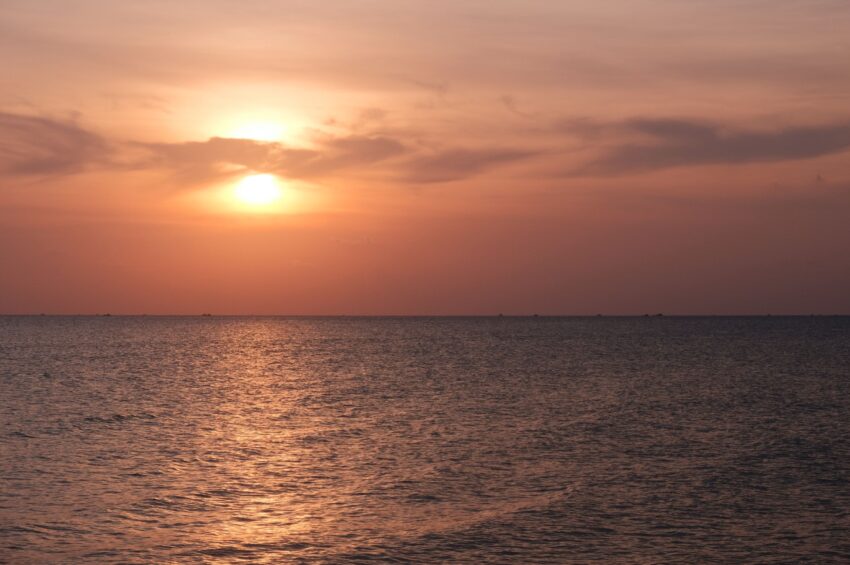
Off the southern coast of Vietnam lies Phu Quoc, a teardrop-shaped island famous for its white sand beaches, clear turquoise waters, and fresh seafood markets. Known locally as “Pearl Island,” this tropical paradise has quickly evolved into one of Southeast Asia’s premier island destinations. However, weather makes or breaks an island getaway. Picking the right season when booking a 7 days Phu quoc tour package ensures you spend your vacation lounging on sunlit shores rather than waiting out tropical downpours under a hotel awning.
Understanding Phu Quoc’s distinct microclimate helps you align your travel dates with peak sun, smooth boat trips, and optimal diving conditions.
Decoding Phu Quoc’s Three Distinct Seasons
Unlike northern Vietnam, which experiences four seasons, Phu Quoc operates on a tropical monsoon system split into three distinct weather phases throughout the year.
Dry Season (November to April): The Golden Window
This is prime time on the island. The northeast monsoon brings dry, sunny days with average temperatures hovering around 27°C to 30°C (80°F to 86°F). Seas are calm along both the east and west coasts, making it ideal for swimming, island-hopping, and kayaking.
-
Sky Conditions: Clear blue skies with minimal humidity.
-
Sea Conditions: Flat water, perfect for boat tours and snorkeling.
-
Crowd Factor: Peak tourist season; hotels and tours fill up quickly.
Transition Months (May and October): The Budget Sweet Spot
During these shoulder months, the weather shifts between monsoon systems. You might get a string of glorious sunshine followed by a sudden afternoon shower that clears up within an hour. Temperatures peak around 32°C (90°F) in May.
-
Sky Conditions: Mostly sunny mornings with occasional late afternoon rain.
-
Sea Conditions: Generally manageable, though waves start picking up on the west coast.
-
Crowd Factor: Moderate; resort rates drop noticeably.
Rainy Season (June to September): Lush Greenery and Rough Seas
The southwest monsoon arrives in full force during these months, bringing heavy rainfall, high humidity, and rough surf to the popular western beaches like Long Beach. High winds can cause ferry cancellations from the mainland and disrupt island-hopping excursions.
Seasonal Comparison Guide
| Period | Weather Overview | Sea Conditions | Best Activities | Budget Level |
| Nov – Mar | Hot, dry, sunny | Very calm | Snorkeling, beach lounging, night markets | High (Peak) |
| Apr – May | Warm, sunny mornings | Calmer on East Coast | Cable car rides, pearl farm visits | Moderate |
| Jun – Sep | Heavy rain, windy | Rough waters (West) | Spa retreats, indoor dining, waterfall hikes | Low (Budget) |
| Oct | Transitional rain | Clearing up | Exploring national parks, quiet beaches | Moderate |
Crafting the Ideal Week-Long Phu Quoc Itinerary
Seven days gives you enough room to explore the distinct regions of the island without feeling rushed. A well-designed Phu Quoc week long itinerary balances coastal relaxation with inland adventure.
The Northern Loop: Nature and Theme Parks
The north is dominated by the Phu Quoc National Park, a UNESCO Biosphere Reserve. Spend a day exploring the dense jungle trails near Ganh Dau, where you can gaze across the gulf to the Cambodian coastline. Families often head to Grand World and VinWonders for entertainment, while starfish seekers head to the shores of Rạch Vẹm beach.
The Southern An Thoi Archipelago: Coral Reefs and Cable Cars
The southern tip is home to the An Thoi Archipelago, a cluster of 15 small islands surrounded by coral reefs. Take the famous Hon Thom Cable Car—one of the world’s longest non-stop 3-wire cable cars—for panoramic views of fishing fleets anchored in deep blue waters. From Hon Thom, local wooden boats take travelers out to May Rut and Gam Ghi islands for underwater snorkeling trips.
Transport and Local Navigation Tips
Getting around Phu Quoc is straightforward once you know your options.
-
Renting a Scooter: The most popular choice for solo travelers and couples. Roads between major hubs like Duong Dong town and An Thoi are wide and paved, though rural dirt roads near northern beaches require extra care during rain. Expect to pay roughly 120,000 to 150,000 VND per day.
-
VinBus System: Electric shuttle buses run regularly between the airport, major resort corridors, and northern attractions like Grand World. Many routes are completely free for tourists.
-
Ride-Hailing Apps: Grab operates reliably around Duong Dong town and the airport, saving you from negotiating unmetered taxi fares.
Overlooked Mistakes Travelers Make
-
Staying on the Wrong Coast During Monsoon Season: If you visit between June and September, avoid booking resorts exclusively on Long Beach (west coast), where waves churn up sand and debris. Instead, look toward Sao Beach or Khem Beach on the eastern coast, which stay relatively sheltered from southwest winds.
-
Skipping Sunset at Sanato or Dinh Cau: Phu Quoc is one of the few places in Vietnam where you can watch the sun set directly into the sea. The sea temples around Dinh Cau Rock offer front-row seats to spectacular orange and pink skies.
-
Forgetting Local Currency for Night Markets: While resorts take international credit cards, street food vendors selling grilled scallops, rolled ice cream, and black pepper sausages at the Duong Dong Night Market accept cash only.
Making the Most of Your Island Escape
Timing your visit to match Phu Quoc’s dry season makes all the difference when planning a coastal vacation. By locking in your travel between November and April, you guarantee warm sunny skies, quiet sea conditions, and effortless island hopping across Vietnam’s favorite tropical retreat.