

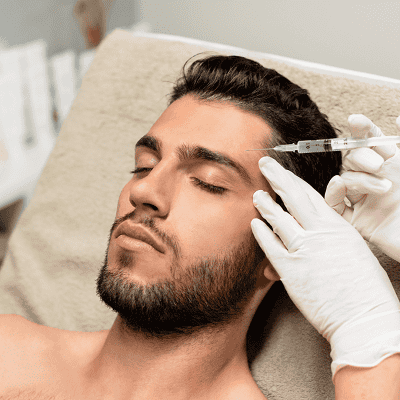
Neck lines are one of the more noticeable signs of skin aging, yet they are often overlooked compared with facial wrinkles. Over time, repeated muscle movement, reduced skin elasticity, sun exposure, genetics, and natural changes in collagen can cause horizontal lines and creases to become more visible across the neck.
For people who want a non-surgical option, Botox Injections have become a popular treatment to consider. Botox works by temporarily reducing the activity of specific muscles, which can soften certain wrinkles and create a smoother-looking appearance.
But can Botox actually treat neck lines? The answer depends on the type of lines, the muscles involved, and the individual’s skin condition. Botox can be helpful for some forms of neck wrinkles, but it is not a universal solution for every type of neck aging.
Understanding how the treatment works, what results can realistically be expected, and what its limitations are can help individuals decide whether it may be suitable for them.
What Causes Neck Lines and Wrinkles?
Neck lines can develop for several reasons, and not every wrinkle on the neck has the same cause.
One common factor is repeated muscle movement. Every time a person turns, bends, or moves the neck, the underlying muscles contract. Over many years, repeated contractions can contribute to visible horizontal lines.
The skin also naturally becomes thinner and less elastic with age. Collagen and elastin production gradually decreases, making it more difficult for the skin to bounce back after movement. As a result, lines that once disappeared when the neck was relaxed may eventually become more permanent.
Sun exposure can contribute as well. Ultraviolet radiation can accelerate collagen breakdown and contribute to premature skin aging. Lifestyle factors, genetics, changes in body weight, and overall skin health may also influence how noticeable neck lines become.
Another type of neck aging involves vertical bands that appear when certain muscles contract. These are sometimes associated with the platysma, a broad muscle extending from the lower face into the neck. Botox may be considered for certain muscle-related changes, although treatment requires careful assessment because the neck contains important muscles involved in movement and swallowing.
How Do Botox Injections Work on Neck Lines?
Botox is a purified form of botulinum toxin that temporarily reduces nerve signals to targeted muscles. When injected into an appropriate muscle, it decreases muscle contraction.
For certain neck wrinkles, this reduction in muscle activity can make the skin appear smoother. The principle is relatively straightforward: if repetitive muscle movement contributes to the formation or appearance of a wrinkle, reducing that movement may soften the wrinkle.
However, Botox does not work like a traditional moisturizer or skin resurfacing treatment. It does not directly replace lost collagen, remove damaged skin, or fill a deep crease.
This distinction is important.
If neck lines are primarily caused by muscle movement, Botox may provide a noticeable improvement. If the lines are mainly caused by loose skin, significant sun damage, or loss of volume, Botox alone may have a more limited effect.
A qualified medical professional typically evaluates the neck at rest and during movement before determining whether Botox is appropriate.
Can Botox Injections Really Improve Neck Lines?
For the right candidate, Botox can reduce the appearance of certain neck lines and muscle-related wrinkles. The treatment is particularly relevant when muscle contraction is a major contributor to the visible concern.
Results are generally temporary. Many people begin noticing changes within several days, while the full effect may become more apparent after approximately one to two weeks. The duration varies from person to person and depends on factors such as the treatment area, muscle activity, individual metabolism, and the amount used.
It is also important to have realistic expectations.
Botox is unlikely to completely erase every neck line. A deep crease that has been present for many years may remain partially visible even after the underlying muscle activity is reduced. In some situations, the skin may continue to show a line because the wrinkle has become structurally established.
For that reason, treatment is often about softening the appearance rather than creating perfectly smooth skin.
The results can also look subtle when performed appropriately. The goal is generally to reduce unwanted muscle activity while preserving natural neck movement and function.
What Happens During a Botox Neck Treatment?
Botox treatment is usually performed as an outpatient procedure and generally does not require surgery or general anesthesia.
Before treatment, a medical professional should review the individual’s health history, medications, allergies, previous cosmetic treatments, and specific concerns. The neck is then assessed to identify the muscles contributing to the unwanted lines or bands.
The injection process involves placing small amounts of Botox into carefully selected areas. A fine needle is typically used, and the number of injection points varies according to the treatment area and individual anatomy.
The procedure itself is usually relatively quick.
Some people experience brief pinching, pressure, redness, swelling, or small temporary bumps around the injection sites. These effects commonly settle on their own, although recovery can vary.
Because the neck is an anatomically sensitive area, proper technique is particularly important. Excessive weakening of certain muscles can potentially interfere with normal neck function, so Botox should only be administered by an appropriately qualified healthcare professional with experience in the treatment area.
What Are the Benefits and Limitations of Botox for the Neck?
One reason people consider Botox is that it is minimally invasive compared with surgical neck procedures. There are no surgical incisions, and treatment can generally be performed without a lengthy recovery period.
Potential benefits may include:
- Softer-looking muscle-related neck lines
- Reduced appearance of certain platysma bands
- A smoother overall appearance in appropriately selected patients
- A temporary treatment option without surgery
- Little disruption to normal daily activities for many people
At the same time, Botox has limitations.
It may not significantly improve loose or sagging skin. It also cannot reverse substantial loss of skin elasticity or remove significant sun damage. Deep, etched-in wrinkles may require a combination approach if an individual wants more comprehensive improvement.
Potential side effects can include bruising, redness, swelling, headache, or temporary discomfort. In uncommon cases, unwanted muscle weakness can occur. When Botox is injected into the neck, complications involving swallowing, speaking, or neck strength are important concerns that require prompt medical attention if they occur.
A medical professional can explain the risks based on the individual’s anatomy, medical history, and treatment goals.
How Long Do Botox Results for Neck Lines Last?
Botox does not permanently stop muscle activity. Its effects gradually wear off as nerve-to-muscle communication returns.
For many cosmetic applications, results may last around three to four months, although the duration can vary. Some individuals may notice their results lasting longer, while others may require treatment sooner.
Repeated treatments may be considered when the effects have diminished. However, treatment frequency should be determined by a qualified healthcare professional rather than following a fixed schedule.
It is also worth remembering that Botox results are not immediate. The muscles gradually become less active after treatment, so the appearance of wrinkles usually changes over several days rather than instantly.
Maintaining good sun protection and a consistent skincare routine can also be beneficial for overall neck skin health. Daily broad-spectrum sunscreen, moisturizing, and avoiding excessive ultraviolet exposure can help protect the skin from additional environmental damage.
Is Botox the Right Treatment for Every Type of Neck Wrinkle?
Not necessarily.
The appearance of neck aging can come from several different factors, so treatment needs to be individualized. Botox may be more appropriate when muscle movement is a significant contributor to the problem.
Other concerns may respond better to different treatments. For example, changes related primarily to skin texture, pigmentation, collagen loss, or laxity may require approaches designed to address the skin itself.
Some individuals may benefit from combining treatments, but this should only be considered after a proper assessment. Combining procedures without understanding the underlying cause of neck lines can lead to disappointing results or unnecessary treatment.
A consultation is therefore an important part of the process. The goal should not simply be to inject Botox into visible lines but to determine why those lines are present and whether reducing muscle activity is likely to help.
What Should Someone Consider Before Getting Botox Injections?
Anyone considering Botox for neck lines should first seek an evaluation from a qualified healthcare professional who understands facial and neck anatomy.
During a consultation, it can be useful to discuss the desired outcome, previous Botox treatments, current medications, allergies, medical conditions, pregnancy or breastfeeding status where relevant, and any history of difficulty swallowing or neuromuscular problems.
Individuals should also understand that cosmetic treatments have risks. More Botox is not necessarily better, particularly in the neck area. An experienced practitioner generally aims for a balanced result that improves the appearance while preserving normal function.
It is also helpful to discuss alternatives. Depending on the cause of the neck lines, other approaches may be more appropriate or may complement Botox.
Ultimately, the best treatment is the one that matches the underlying problem rather than simply the most popular treatment.
Frequently Asked Questions About Botox Injections for Neck Lines
1. Do Botox Injections permanently remove neck lines?
No. Botox provides temporary improvement by reducing muscle activity. It does not permanently remove wrinkles or reverse all causes of skin aging. Results gradually fade as normal muscle activity returns.
2. How quickly do Botox results appear on the neck?
Some changes may become noticeable within a few days, but results typically develop gradually. The full effect is often assessed around one to two weeks after treatment.
3. Is Botox painful when injected into the neck?
Most people describe the injections as brief pinching or stinging. Discomfort varies between individuals. The procedure generally involves multiple small injections, and any tenderness or redness usually settles relatively quickly.
4. Can Botox treat loose skin on the neck?
Botox is primarily designed to reduce muscle activity. It does not directly tighten significantly loose skin. If laxity is the main concern, another treatment approach may be more appropriate.
5. How long do Botox results usually last?
Results commonly last around three to four months, although individual experiences vary. Muscle strength, metabolism, treatment area, and other factors can influence how long the effect remains noticeable.
6. Are Botox Injections safe for neck lines?
Botox can be used safely for appropriate candidates when administered correctly by a qualified healthcare professional. Because the neck contains muscles important for movement and swallowing, careful assessment and precise technique are particularly important. Individuals should discuss potential risks and their medical history before treatment.
Neck lines are a natural part of aging, but people who are bothered by them have several treatment options to explore. Botox Injections can be effective for certain wrinkles and muscle-related neck changes, particularly when muscle activity is a major contributor. However, the treatment has limitations and should not be viewed as a solution for every type of neck aging.
A professional assessment can help determine whether Botox is appropriate and what kind of improvement may realistically be expected. With realistic expectations, careful treatment planning, and attention to overall skin health, individuals can make a more informed decision about managing the appearance of neck lines.
Read More About Botox Injections: https://www.chiguu.com/discussions/everything-you-should-know-before-getting-botox-injections