
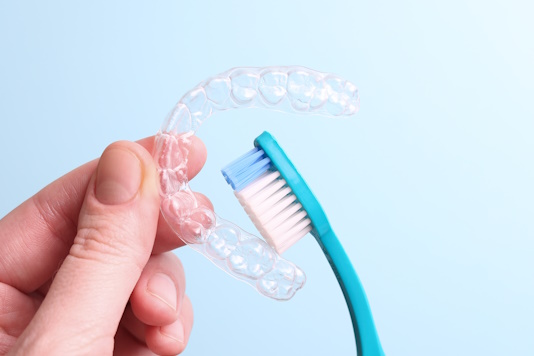
Clear aligners have changed the way people think about orthodontic treatment. They are discreet, removable, and far less intimidating than traditional braces. But here is the thing – a lot of people invest in them without fully understanding how much their own habits affect the outcome. Improper care does not just make your aligners look dull or smell unpleasant. It can slow down your progress, irritate your gums, and in some cases, even compromise your dental health. This guide breaks down the real rules of aligner maintenance, addresses some stubbornly persistent myths, and gives you practical aftercare advice that holds up in everyday Indian life – from managing chai cravings to dealing with summer heat.
Common Myths About Cleaning Clear Aligners
Misinformation travels fast, especially when it comes to dental care. Before we get into what you should do, it helps to clear out what you absolutely should not believe.
Myth: Toothpaste Is Fine for Cleaning Aligners
This one is surprisingly widespread. Many people assume that if toothpaste works for teeth, it must work for aligners too. In reality, most toothpastes contain mild abrasives designed to scrub enamel – and those same abrasives leave tiny scratches on the surface of your aligners. Over time, these scratches make the trays appear cloudy and become a breeding ground for bacteria. Use a soft-bristle brush with plain, clear liquid soap or the cleaning solution your dentist recommends instead.
Myth: Soaking in Mouthwash Keeps Them Fresh
Mouthwash might seem like a logical choice – it kills bacteria in your mouth, so surely it would sanitise your aligners too. The problem is that most mouthwashes contain alcohol and artificial colouring agents that can warp, discolour, or degrade the aligner material. A diluted hydrogen peroxide solution or purpose-built aligner cleaning crystals are far safer options for a periodic deep soak.
Myth: You Only Need to Clean Them Once a Day
Aligners sit snugly against your teeth for up to 22 hours a day. Bacteria, saliva, and food residue accumulate throughout the day – not just overnight. Rinsing them every time you remove them and giving them a proper clean at least twice daily is the minimum standard for good hygiene.
The Right Daily Cleaning Routine
Consistency matters more than intensity when it comes to aligner care. A simple routine done every single day will outperform an elaborate one done occasionally.
Morning and Night Cleaning Steps
Start your morning by removing your aligners and rinsing them under lukewarm – never hot – water. Use a soft-bristle toothbrush and a small drop of clear, unscented dish soap or a dedicated aligner cleaning solution. Gently brush all surfaces including the ridges and inner curves. Rinse thoroughly before putting them back in. Repeat this process at night after brushing your own teeth. This two-step approach keeps bacterial load low and trays clear.
Rinsing After Every Removal
Each time you take your aligners out – whether to eat, drink anything other than water, or just for a break – rinse them immediately. Dried saliva and residue harden quickly and are much harder to remove later. Carrying a small aligner case is essential so you are never tempted to wrap them in a tissue or leave them on the dining table, both of which are easy ways to lose or damage them.
Eating, Drinking, and Aligner Discipline in Indian Households
Indian diets present some unique challenges for aligner wearers. Spiced foods, turmeric, hot chai, and frequent snacking are all part of daily life – and all require a little extra awareness when you are in aligner treatment.
Always remove your aligners before eating or drinking anything other than plain water. Hot beverages like tea and coffee are particularly problematic because heat can distort the plastic and alter the fit of your trays. Turmeric and other strongly pigmented spices can stain aligners rapidly if they are worn during meals. Keep a small hygiene kit with your case, travel toothbrush, and toothpaste wherever you go. Most experienced aligner wearers in India find that building this into their routine takes about a week before it feels natural.
If you are still comparing your options and wondering about the
Teeth aligners price in your area, remember that the long-term value of aligners depends heavily on
how well you maintain them through your treatment.
Long-Term Maintenance and What Happens After Treatment
Most people focus on care during active treatment but overlook what comes after. Post-treatment maintenance is just as important for protecting your investment and keeping your smile in place.
Retainers Are Non-Negotiable
Once your final aligner set is complete, your orthodontist will prescribe retainers. Teeth have a natural tendency to shift back toward their original positions – a process called relapse. Retainers, worn nightly for the long term, prevent this. The same cleaning principles apply to retainers as to aligners, so the habits you build during treatment will serve you well here too.
Storing Aligners Correctly
Always store your aligners in a ventilated, hard-shell case when they are not in your mouth. Avoid leaving them in direct sunlight or in a hot car, as both can warp the plastic. If you travel frequently, keeping a dedicated travel case separate from your regular one reduces the risk of accidentally packing used trays or losing them during transit.
Regular Dental Check-ins During Treatment
Aligner treatment is not a set-it-and-forget-it process. Regular check-ups allow your dentist to monitor your progress, make refinements if needed, and catch any hygiene issues early.
An Experienced dentist in Nagpur can identify whether your teeth are tracking correctly and
advise you on any mid-treatment corrections before small issues become bigger setbacks.
Is the Investment Worth It? Understanding the Value of Proper Care
Clear aligner treatment is a significant financial and lifestyle commitment. When you understand the Clear braces cost in Bharat Nagar and what it entails, it becomes clear that the care you put in directly affects the results you get out. Poorly maintained aligners can prolong treatment, require replacement trays, or lead to oral hygiene issues that need separate intervention – all of which add to your overall cost and effort.
Treating your aligners with the same discipline you would apply to any meaningful health investment makes practical sense. The habits are simple, the tools are inexpensive, and the payoff – a well-aligned smile achieved on schedule – is well worth the daily effort.
Conclusion
Clear aligners work best when you work with them. Busting the cleaning myths, sticking to a consistent daily routine, adapting your habits around Indian food and lifestyle, and keeping up with post-treatment retainer wear are all part of the same commitment. The difference between a smooth aligner journey and a frustrating one often comes down to the small daily choices most people overlook. If you are ready to begin treatment or want personalised guidance on care during your current plan, reaching out to a qualified dental professional near you is always the best next step.
Frequently Asked Questions
How many times a day should I clean my clear aligners?
At minimum, clean your aligners thoroughly twice a day – once in the morning and once at night. Additionally, rinse them under lukewarm water every single time you remove them to prevent saliva and residue from drying on the surface.
Can I use hot water to clean or rinse my aligners?
No. Hot water can warp the thermoplastic material used in clear aligners, altering their shape and compromising their fit. Always use lukewarm or cool water when rinsing or cleaning them.
What should I do if my aligners develop a bad smell even after cleaning?
A persistent odour usually indicates bacterial build-up in micro-scratches or in areas your brush is missing. Try soaking them in diluted hydrogen peroxide (one part peroxide to one part water) for about 20 to 30 minutes once a week, and ensure you are cleaning the inner ridges thoroughly during your regular routine.
Is it okay to chew gum or eat small snacks with aligners in?
No. Aligners should be removed for all eating and drinking except plain water. Chewing with aligners in can crack or distort them, and food particles trapped beneath the trays significantly increase the risk of tooth decay and gum irritation.
How long do I need to wear a retainer after finishing aligner treatment?
Most dentists recommend wearing retainers nightly on an indefinite basis after active treatment ends. While the frequency may reduce over time based on your dentist’s assessment, stopping retainer wear entirely – especially in the first few years – significantly increases the risk of your teeth shifting back to their previous positions.
Source: medium