
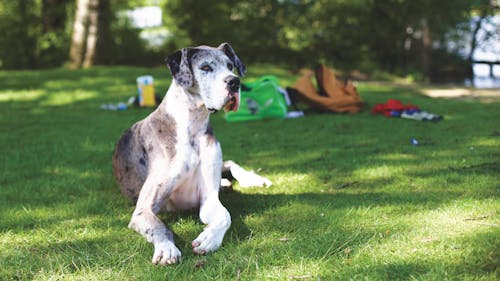
Great Danes are magnificent dogs known for their imposing size and gentle nature. Often called “gentle giants,” these dogs require specific education and training techniques to thrive as well-mannered family companions. This guide explores essential tips and methods for training and raising a Great Dane successfully.
Understanding the Great Dane Breed
Great Danes are one of the largest dog breeds, famous for their height and strength. Despite their formidable appearance, they are affectionate, loyal, and sociable animals. Their temperament tends to be calm and friendly, making them excellent family dogs. However, their size means early and consistent training is crucial to ensure they are well-behaved and manageable.
Importance of Early Training for Great Danes
Starting training early is vital with Great Danes to establish good habits and prevent behavioral issues. Puppies are more adaptable and eager to learn, making it easier to shape positive behavior from a young age. Early socialization helps Great Danes become comfortable around strangers, other animals, and varied environments, which reduces fearfulness or aggression.
Basic Training Tips for Great Danes
-
Consistency is Key: Use the same commands and routines daily to reinforce learning and avoid confusion.
-
Positive Reinforcement: Reward with treats, praise, or affection when your dog follows commands or behaves well.
-
Short Training Sessions: Keep sessions brief (about 10-15 minutes) but frequent to maintain your dog’s attention and prevent boredom.
-
Leash Training: Teach your Great Dane to walk calmly on a leash early on, as controlling a large dog without leash manners can be challenging.
-
Crate Training: This helps in housebreaking and provides your dog a safe space to retreat.
Socializing Your Great Dane
Great Danes are naturally friendly but require exposure to a range of people, pets, and situations during their early months. Socialization should include:
-
Meeting strangers and different types of animals.
-
Visits to parks or busy environments.
-
Exposure to household noises and routines.
Proper socialization decreases anxiety and fear-based reactions later in life.
Addressing Common Training Challenges
Due to their size, Great Danes can sometimes inadvertently intimidate people or damage property. Some challenges and solutions include:
-
Jumping Up: Redirect jumping behavior by teaching the dog to sit for attention instead.
-
Chewing: Provide durable chew toys to prevent destructive chewing caused by teething or boredom.
-
Pulling on Leash: Use training collars or harnesses designed for large breeds and reinforce calm walking methods with treats and commands.
Health Considerations During Training
Being aware of the physical limitations of a large breed is important. Avoid strenuous exercise while the dog is still growing to protect their joints. Training exercises should always be gentle but firm, balancing discipline and kindness.
More info to visist https://www.webseobacklink.com/