

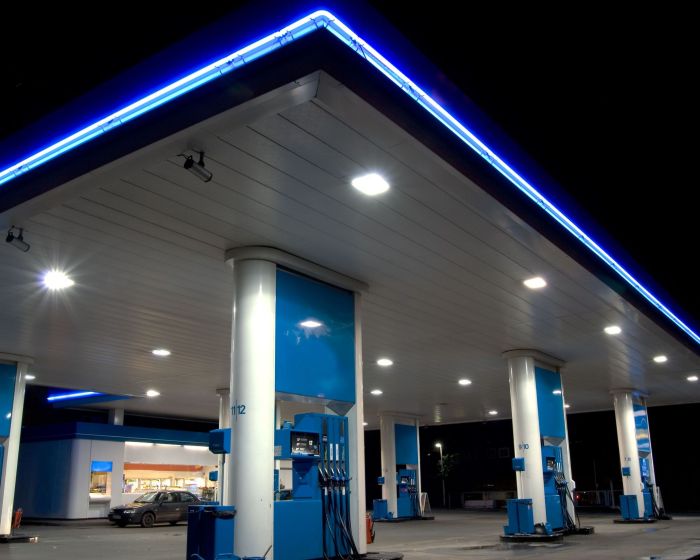
Running a store means making expensive decisions with imperfect information. A cooler dies in July. A supplier announces an image deadline. The pumps start looking their age. Convenience Store Finance is the discipline of deciding which items you pay for with cash, which you finance, and which you can wait another season to pay for without costing you or your customers.
Most owners handle this instinctively. A written plan does it better, and it takes about an afternoon to build.
Why Site Capital Behaves Differently Here
A c-store carries an unusual mix of assets. Some last twenty years. Some are obsolete in four. Underground tanks and canopies outlive most financing terms. Payment technology and coffee equipment do not. Treating them the same way is where budgets go wrong.
There is also the margin picture. Fuel brings traffic, but the money is made inside. Foodservice has become the largest contributor of in-store gross profit dollars for the industry, according to NACS. That single fact should shape where your capital goes first.
Seasonality adds the last wrinkle. Cash is strong in summer and thin in February, yet equipment fails on its own schedule.
How Convenience Store Finance Differs From a Standard Business Loan
Walk into a general bank with a forecourt project, and you will spend an hour explaining your industry. Lenders who work only in fuel and convenience retail already understand it.
The practical differences show up in three places:
- What gets funded. Industry lenders include installation, freight, concrete, and permits. General lenders often fund hardware only.
- How risk is judged. Site volume, time in business, and equipment resale value carry weight alongside credit history.
- How fast decisions come. Specialists often approve smaller files within a day or two because they price this equipment weekly.
Patriot Capital has operated in this market since 2000, and that focus is why quotes from industry lenders tend to cover the entire project rather than a single line item. Click here to get more information.
Sorting Your Project List
Before you request a single quote, split your list into three buckets.
- Compliance. Tanks, leak detection, payment security. Deadlines here are not negotiable, and delays get expensive.
- Revenue. Dispensers, coolers, food equipment, lighting. These change what you sell.
- Appearance. Signage, image packages, restroom refresh. Important, but rarely urgent.
Fund the first bucket regardless of timing. Fund the second when the numbers support a payment. Schedule the third around the other two so the crew is already on site.
The Question Behind Every Decision
Does this equipment earn while you pay for it?
New dispensers move more gallons per hour. A working cooler protects the product you already bought. A food program adds margin no fuel sale can match. If the answer is no, you are buying decoration, and decoration should come from profit rather than a payment.
Funding the Forecourt
Dispensers are usually the largest single line on any site plan. Installed costs typically range from $25,000 to $40,000 per unit, including piping, concrete, and card readers.
Commercial fuel dispenser financing spreads that across the years the equipment serves you, typically over 36 to 72 months. Match the term to the equipment life. Dispensers often run past a decade, so a five-year term leaves you with years of use and no payment attached.
Ask two questions before signing. Is installation inside the financed amount? What are the end of term options if you sell the site early? Answers vary more than rates do.
Funding the Kitchen
Food is where the margin sits, and where owners hesitate longest. Equipment costs add up quickly. Hoods, refrigeration, holding cabinets, prep tables, and a POS that can route tickets all arrive at once.
C-store food program finance exists because that launch cost rarely fits in one quarter. Spreading it lets the program start earning while you pay for it, rather than waiting two years to save up and watching a competitor open first.
A word of caution from operators who have done it. Labor, not equipment, is what sinks most food programs. Before you finance a kitchen, be honest about whether you can staff it during your busiest hours. The equipment will perform. Only your team can.
Practical Sequencing for Food
- Start with a limited menu you can execute consistently
- Finance the core equipment, not the wish list
- Add capacity once the program proves itself for two full quarters
- Keep the second phase in the same agreement if your lender allows it
A Convenience Store Finance Plan You Can Actually Use
Build it on one page.
List every major asset with its age and expected remaining life. Mark anything with a compliance date. Add your annual repair spend per item, because that number tells you what waiting really costs. Then rank the list by what each project returns, not by what annoys you most.
Take that page to a lender and ask for pricing on two terms. Seeing both monthly figures next to your current repair spend usually settles the argument.
Also speak with your accountant before installation, since Section 179 and bonus depreciation apply in the year equipment goes into service. A conversation in October is worth far more than one in April.
Final Thoughts
Good Convenience Store Finance is not about borrowing as little as possible. It is about keeping your cash where it protects the business, in inventory, payroll, and the repairs nobody schedules, while equipment that earns money pays for itself over time. Sort your list by price, price two terms, and start with the projects that change what customers buy. The rest gets easier once those are running.
Frequently Asked Questions
- Should I pay cash or finance equipment?
Sound Convenience Store Finance means financing the assets that generate income across several years and keeping cash for operating needs. Paying cash avoids finance charges but ties up funds you may need during a slow month. - How long do approvals take?
Industry lenders like Patriot Capital often decide on smaller projects within a day or two, provided your quotes and financials are ready. - Can several projects be combined into one payment?
Yes. Many operators bundle forecourt, interior, and image work into a single agreement to keep contracts and payments simple. - What documents will a lender ask for?
A signed quote with equipment and labor separated, two years of business tax returns, recent fuel and inside sales figures, and entity details for the signer. - Is financing available for a food program launch?
Yes. C-store food program financing typically covers refrigeration, hoods, holding equipment, and installation, and is often bundled with commercial fuel dispenser financing when both projects are combined.