
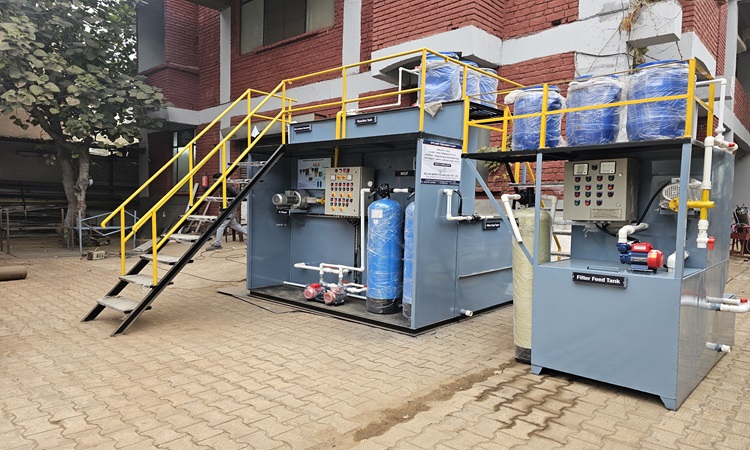
An Effluent Treatment Plant is a vital system designed to treat wastewater generated from industrial processes, ensuring that harmful pollutants are removed before discharge or reuse. In today’s world, where industries play a major role in economic growth, managing their wastewater responsibly is crucial for environmental protection and sustainability. This article explores the working, types, benefits, and importance of effluent treatment plants, along with the expertise of Kelvin Water Technologies Pvt. Ltd., a leading ETP manufacturer in India.
Introduction to Effluent Treatment Plant
An Effluent Treatment Plant is an engineered system that treats wastewater coming from industries such as textiles, chemicals, pharmaceuticals, food processing, refineries, and more. Industrial wastewater contains toxic chemicals, oils, heavy metals, organic matter, and other pollutants that can be extremely harmful to soil, water bodies, and human health if released untreated.
The main purpose of an ETP is to remove physical, chemical, and biological contaminants from wastewater to produce treated water that meets regulatory discharge standards or can be reused safely for various processes.
Working Process of an Effluent Treatment Plant
The working of an ETP is typically divided into four major stages: Preliminary, Primary, Secondary, and Tertiary treatment. Each stage performs a specific function to purify wastewater effectively.
- Preliminary Treatment
This stage removes large solids and coarse materials that can damage equipment.
- Screening: Removes large particles like plastics, rags, and wood.
- Grit Removal: Eliminates sand, stones, and other heavy particles.
- Equalization Tank: Balances the flow and concentration of effluent to maintain steady treatment efficiency.
- Primary Treatment
The focus here is on removing suspended solids and organic matter through physical and chemical methods.
- Coagulation and Flocculation: Chemicals are added to destabilize suspended particles and form flocs.
- Sedimentation: Heavier particles settle at the bottom of the tank, forming sludge.
- Oil and Grease Removal: Skimmers are used to remove floating oil and grease from the surface.
- Secondary Treatment (Biological Treatment)
In this stage, microorganisms break down dissolved organic matter in the effluent.
Common biological processes include:
- Activated Sludge Process (ASP): Aeration provides oxygen for bacteria to decompose organic waste.
- Moving Bed Biofilm Reactor (MBBR): Uses media carriers for bacterial growth and efficient treatment.
- Sequencing Batch Reactor (SBR): Batch treatment system for controlled aeration and settling cycles.
- Anaerobic Digestion: Used for effluents with high organic loads to generate biogas as a by-product.
- Tertiary or Advanced Treatment
The final treatment ensures water meets discharge or reuse standards.
- Filtration: Sand, activated carbon, or membrane filters remove residual solids.
- Disinfection: Kills harmful bacteria using UV, chlorine, or ozone.
- RO & UF Systems: Advanced membrane filtration systems further polish the water for reuse.
Types of Effluent Treatment Plants
Different industries require customized ETP systems depending on the nature and volume of wastewater. Common types include:
- Physico-Chemical Treatment Plants – Focus on chemical coagulation, flocculation, and sedimentation for removing suspended and dissolved solids.
- Biological Treatment Plants – Use aerobic or anaerobic processes to remove biodegradable matter.
- Compact/Packaged ETPs – Pre-fabricated systems ideal for small-scale industries and quick installations.
- Zero Liquid Discharge (ZLD) Systems – Ensure complete recovery and reuse of wastewater, leaving no discharge to the environment.
Benefits of Effluent Treatment Plants
- Environmental Protection
ETPs prevent harmful industrial pollutants from contaminating rivers, lakes, and groundwater sources.
- Regulatory Compliance
Industries must comply with pollution control board standards; ETPs ensure treated water meets discharge norms.
- Water Conservation and Reuse
Treated effluent can be reused in boilers, cooling towers, or for gardening, reducing dependency on freshwater.
- Cost Savings
Recycling treated water reduces operational costs and ensures resource efficiency.
- Public Health and Safety
ETPs eliminate toxic substances and pathogens, protecting communities from health hazards.
- Corporate Sustainability
Installing an ETP enhances a company’s reputation as an environmentally responsible organization.
Applications of Effluent Treatment Plants
ETPs are essential for a wide range of industries, including:
- Textile and Dyeing Units
- Pharmaceutical and Chemical Plants
- Food and Beverage Processing
- Refineries and Petrochemical Plants
- Paper and Pulp Industries
- Metal Finishing and Electroplating Units
- Automobile and Engineering Sectors
Role of Kelvin Water Technologies Pvt. Ltd.
Kelvin Water Technologies Pvt. Ltd. is a renowned Effluent Treatment Plant manufacturer in India, offering complete end-to-end solutions for industrial wastewater management. The company specializes in designing, manufacturing, supplying, installing, and maintaining efficient ETP systems suitable for a wide range of industries.
Why Choose Kelvin Water Technologies:
- Customized Design: Tailored ETPs based on industry type, effluent composition, and discharge requirements.
- Advanced Technology: Expertise in MBBR, SBR, MBR, and ZLD systems for high-performance treatment.
- Energy-Efficient Systems: Optimized processes ensure low power and chemical consumption.
- Compact and Modular Units: Ideal for space-constrained sites and easy relocation.
- Comprehensive Service: Design, installation, commissioning, and AMC under one roof.
- Environmental Compliance: Helps clients achieve full compliance with CPCB and SPCB norms.
Operation and Maintenance of ETP
Proper operation and regular maintenance ensure the ETP performs optimally and meets discharge norms. Key activities include:
- Regular monitoring of pH, BOD, COD, TSS, and TDS levels.
- Cleaning of tanks, filters, and screens.
- Ensuring aeration systems, pumps, and valves function properly.
- Scheduled sludge removal and safe disposal.
- Calibration of instruments and sensors.
Importance of Selecting the Right Manufacturer
Choosing the right ETP manufacturer guarantees high performance, compliance, and long-term savings. A good manufacturer offers:
- Advanced and proven technology solutions.
- Proper design as per industrial effluent characteristics.
- Quality materials and durable components.
- On-time project delivery and after-sales support.
- Transparent lifecycle cost analysis.
Conclusion
An Effluent Treatment Plant is an indispensable part of modern industrial infrastructure. It helps industries manage their wastewater responsibly, meet government regulations, conserve water, and protect the environment.
With growing awareness about sustainability and stricter discharge standards, the role of efficient ETPs has become even more important.
Partnering with a trusted manufacturer like Kelvin Water Technologies Pvt. Ltd. ensures reliable design, robust performance, and long-term sustainability. The company’s advanced ETP systems empower industries to move toward a cleaner, greener, and more resource-efficient future.