
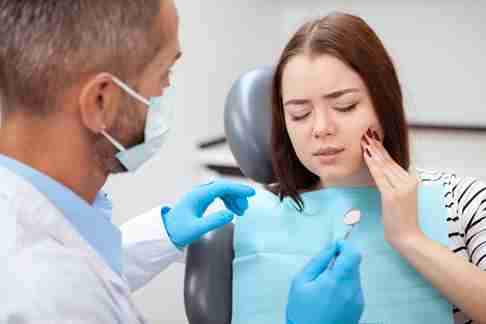
Orthodontic treatment is more than achieving a straight smile; it ensures proper bite alignment, oral health, and long-term confidence. Whether wearing braces, clear aligners, or retainers, following your orthodontist’s guidance and attending regular check-ups is vital to keep treatment on track. However, unexpected issues can occur, brackets may break, wires can poke, or injuries might happen, leaving you unsure how to act. Recognising and responding to these situations promptly protects both comfort and treatment outcomes. This guide outlines common orthodontic emergencies, practical management steps, preventive measures, and guidance on when to seek professional care for effective resolution.
Understanding Orthodontic Emergencies
An orthodontic emergency is any situation involving your braces, aligners, or other dental appliances that causes significant pain, injury, or poses a risk to your oral health. Unlike minor inconveniences that can wait until the next routine visit, these emergencies require timely intervention to avoid complications.
Common examples include:
- Sharp or protruding wires cutting into the gums or cheeks
- Broken brackets or bands
- Severe swelling, bleeding, or signs of infection
- Trauma to teeth or jaw affecting orthodontic appliances
Minor issues, such as mild soreness after an adjustment, slightly loose elastics, or minor irritation from brackets, generally do not require emergency attention. Recognising the difference ensures you respond appropriately and seek care when necessary.
Common Orthodontic Emergencies and Immediate Actions
Knowing how to manage typical emergencies can prevent further damage and help maintain treatment progress. The following table summarises practical first steps for frequent issues:
|
Problem |
Immediate Action |
Professional Help Needed? |
|
Broken bracket or wire |
Reposition gently with a cotton bud or apply orthodontic wax |
Yes, contact orthodontist Crawley |
|
Protruding wire |
Cover with wax; gently reposition if safe |
Yes, if persistent |
|
Severe pain/swelling |
Rinse with warm salt water; apply cold compress |
Yes, contact emergency dentist in Crawley |
|
Lost or damaged aligner |
Wear previous aligner if available |
Yes, arrange replacement promptly |
|
Trauma to mouth/jaw |
Control bleeding; apply ice |
Yes, immediate evaluation needed |
These steps provide temporary relief, but professional intervention ensures your treatment stays on track and your oral health is protected.
1. Broken or Loose Brackets
Brackets can loosen due to hard foods, trauma, or accidental pressure. A loose bracket may cause discomfort or slow treatment progress.
What to do:
- Gently reposition the bracket with a cotton swab
- Apply orthodontic wax to prevent irritation
- Contact your orthodontist Crawley to schedule a repair
Neglecting a broken bracket can result in misalignment or even damage to adjacent teeth, making timely attention crucial.
2. Protruding or Broken Wires
Wires sometimes shift or break, causing them to poke the cheeks, lips, or gums. This can be painful and may lead to sores or cuts.
Immediate actions:
- Cover the sharp end with orthodontic wax
- Attempt gentle repositioning with a clean tool if safe
- If bleeding or discomfort persists, contact an emergency dentist in Crawley
Prompt intervention prevents soft tissue injuries and keeps your treatment progressing as planned.
3. Severe Pain or Swelling
While mild discomfort is normal after adjustments, intense pain, swelling, or bleeding may indicate infection or injury.
Temporary relief measures:
- Rinse with warm salt water to reduce irritation
- Apply a cold compress externally to minimise swelling
- Take over the counter pain relief if necessary
If symptoms persist beyond 24 hours, professional evaluation is essential to avoid complications and maintain treatment progress.
4. Lost or Damaged Aligners
Clear aligners offer convenience, but misplacing or breaking them can disrupt treatment. Even short delays can allow teeth to shift undesirably.
What to do:
- Use your previous aligner to maintain tooth position
- Contact your provider immediately to arrange a replacement
- Always store aligners in a protective case to reduce the risk of loss
Prompt action ensures continuity and prevents unnecessary prolongation of treatment.
5. Trauma to Mouth or Jaw
Accidents, sports injuries, or falls can affect braces or aligners, potentially causing damage to teeth or gums.
Immediate steps:
- Apply gauze to control bleeding
- Use an ice pack to reduce swelling
- Seek urgent care from an emergency dentist in Crawley or your orthodontist
Early intervention stabilises injuries and reduces the risk of long-term complications.

Non-Urgent Orthodontic Issues
Not every orthodontic problem requires emergency attention. Identifying minor issues that can wait helps reduce unnecessary stress.
Common non-urgent situations:
- Mild soreness after braces adjustment
- Slightly loose elastics
- Minor irritation from brackets rubbing against cheeks
At-home management tips:
- Cover sharp areas with orthodontic wax
- Rinse with warm salt water to soothe irritation
- Stick to soft foods and take mild pain relief if needed
Regular monitoring and communication with your orthodontist ensure these minor problems do not escalate into emergencies.
Preparing for Orthodontic Emergencies
Being prepared can significantly reduce stress when unexpected issues occur.
Essential emergency kit items:
- Orthodontic wax
- Cotton buds or tweezers
- Pain relief medication
- Small mirror
- Contact details for your orthodontist Crawley and emergency dentist in Crawley
Proactive measures:
- Attend routine check-ups to detect potential issues early
- Follow prescribed wear schedules for elastics and aligners
- Avoid hard, sticky, or chewy foods that could damage appliances
Preparation and awareness make it easier to manage emergencies and minimise treatment disruption.

Practical Tips for Managing Minor Issues at Home
While professional guidance is always best, minor issues can sometimes be temporarily managed:
- Use orthodontic wax for sharp edges
- Rinse with warm salt water to relieve irritation
- Stick to soft foods and mild pain relief
- Avoid forcing appliances or aligners over teeth to prevent further damage
These measures provide temporary comfort until a professional can assess the situation.
Conclusion
Orthodontic emergencies can be stressful, but recognising them and acting promptly ensures your treatment stays on track. From broken brackets and protruding wires to lost aligners and severe pain, quick action combined with professional guidance is key. Maintaining a small emergency kit, following care instructions, and keeping contact details for your orthodontist and emergency dentist available helps patients manage unexpected situations confidently.By staying informed and proactive, you can protect your orthodontic investment, continue treatment smoothly, and maintain a healthy, confident smile. For expert care and reliable support, the professionals in Crawley are ready to assist whenever an orthodontic emergency arises.