
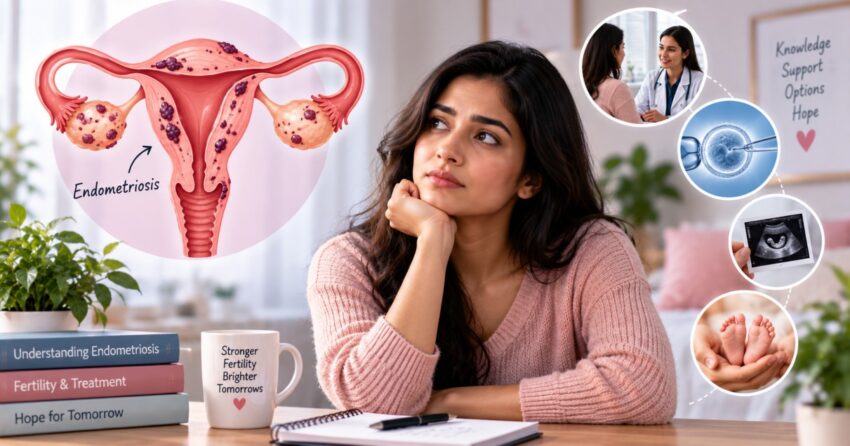
Endometriosis is a chronic condition in which tissue similar to the lining of the uterus grows outside the uterus. It can cause pelvic pain, painful periods, pain during intercourse and, in some people, difficulty becoming pregnant. The World Health Organization estimates that endometriosis affects around 10% of women of reproductive age worldwide.
But does having endometriosis mean pregnancy is impossible? No. Many people with endometriosis become pregnant, either naturally or with fertility treatment. However, the condition can affect fertility in several ways, and the impact varies depending on its location, severity, age and other fertility factors.
What Is Endometriosis?
Endometriosis occurs when tissue similar to the endometrium develops outside the uterus, commonly around the ovaries, fallopian tubes and pelvic lining.
The condition can cause inflammation and scar tissue or adhesions. Some people have significant symptoms, while others may have few or no noticeable symptoms.
Common symptoms include:
-
Painful periods
-
Chronic pelvic or lower abdominal pain
-
Pain during or after sex
-
Heavy or irregular menstrual bleeding
-
Pain during bowel movements or urination in some cases
-
Difficulty becoming pregnant
-
Fatigue and bloating
Because symptoms vary considerably, diagnosis can sometimes take years. WHO notes that diagnosis may involve symptoms, clinical evaluation and imaging such as ultrasound or MRI, while surgery is not always required before treatment begins.
How Does Endometriosis Affect Fertility?
Endometriosis and infertility are closely associated, although the exact relationship is complex. WHO identifies endometriosis as one possible cause of infertility, while research and clinical guidelines recognize that fertility effects can differ significantly between individuals.
Endometriosis may affect fertility through several mechanisms.
1. Pelvic Adhesions and Scar Tissue
Endometriosis can cause inflammation and the formation of adhesions. These bands of scar tissue may alter the normal anatomy of the pelvis.
In more advanced disease, adhesions can affect the position or function of the ovaries and fallopian tubes, potentially making it harder for the egg and sperm to meet.
2. Ovarian Endometriosis
Endometriosis can sometimes affect the ovaries and form cysts known as endometriomas.
Ovarian endometriosis may be associated with reduced ovarian reserve in some patients. Treatment decisions need to balance fertility goals with symptom control and the potential impact of ovarian surgery.
3. Inflammation
Endometriosis is associated with an inflammatory environment within the pelvis. Inflammation may affect reproductive processes, although the exact mechanisms are still being studied.
4. Pain and Sexual Intercourse
Pain during intercourse can make regular sexual activity difficult. This can indirectly reduce opportunities for conception.
5. Other Fertility Factors
Endometriosis may occur alongside other fertility-related conditions. Age, ovarian reserve, sperm factors, tubal health and ovulation can all influence the chances of conception.
For this reason, fertility evaluation should look at the couple or individual as a whole rather than attributing infertility to endometriosis alone.
Can You Get Pregnant With Endometriosis?
Yes. Endometriosis does not automatically mean infertility.
Some people with mild or moderate endometriosis conceive without fertility treatment. Others may need medical assistance depending on their symptoms, age, ovarian reserve, tubal condition and how long they have been trying to conceive.
The appropriate approach is highly individual.
If pregnancy is a goal, discussing fertility planning with a gynecologist or fertility specialist can help determine whether monitoring, surgery, IUI, IVF or another approach may be appropriate.
Endometriosis and Pregnancy: What Should You Know?
Pregnancy is possible with endometriosis, but some studies have found associations between endometriosis and certain pregnancy or obstetric complications.
Importantly, having endometriosis does not mean that a pregnancy will necessarily develop complications. Individual risk depends on several factors, and appropriate prenatal care is important.
Your healthcare provider may consider:
-
The severity and location of endometriosis
-
Previous pelvic surgery
-
Ovarian and tubal health
-
Previous pregnancies
-
Other medical conditions
-
Fertility treatment history
People with endometriosis who become pregnant should follow routine prenatal care and discuss their individual medical history with their obstetrician.
IVF for Endometriosis: When May It Be Considered?
IVF for endometriosis may be considered when natural conception is difficult or when other fertility factors are present.
IVF involves stimulating the ovaries, retrieving eggs, fertilizing them in a laboratory and transferring an embryo into the uterus.
According to WHO, fertility treatments such as ovulation induction, intrauterine insemination and IVF may be recommended for people experiencing difficulty conceiving because of endometriosis.
IVF may be discussed when:
-
Fallopian tubes are blocked or significantly affected
-
Endometriosis is associated with infertility
-
Other fertility factors are present
-
Previous fertility treatments have not worked
-
Age or ovarian reserve makes delaying treatment less desirable
-
A fertility specialist believes assisted reproduction may provide a suitable option
The decision should be individualized rather than based solely on the presence or stage of endometriosis.
Does Endometriosis Treatment Improve Fertility?
Endometriosis treatment depends on symptoms, disease extent and whether pregnancy is currently desired.
Treatment may include:
Pain Management
Pain medicines and other supportive approaches can help manage symptoms. Hormonal treatments can also reduce endometriosis-related symptoms, but many hormonal therapies prevent pregnancy while they are being used.
Surgery
Surgery may be used to remove endometriosis lesions, endometriomas or adhesions in selected patients.
However, fertility considerations are important, particularly when ovarian surgery is being considered. The potential benefits and risks should be discussed with a specialist.
Fertility Treatment
For people who are trying to conceive, treatment may include fertility-focused approaches such as expectant management, IUI or IVF depending on the individual situation.
ESHRE’s endometriosis guideline specifically addresses fertility treatment and assisted reproduction for people with endometriosis.
Should You Have Surgery Before IVF?
Not everyone with endometriosis needs surgery before IVF.
The decision can depend on factors such as:
-
Presence and size of an ovarian endometrioma
-
Pain symptoms
-
Previous surgery
-
Ovarian reserve
-
Accessibility of the ovaries for egg retrieval
-
Other fertility factors
-
Individual treatment goals
Surgery can sometimes be helpful for specific clinical reasons, but unnecessary ovarian surgery may also affect ovarian reserve. Therefore, the decision should be made with a fertility specialist who can consider both reproductive goals and disease management.
When Should You See a Fertility Specialist?
Consider discussing fertility with a specialist if you have diagnosed endometriosis and are planning pregnancy, particularly if you have been trying to conceive without success.
Earlier evaluation may also be appropriate when there is a known condition that can affect fertility.
A fertility evaluation may include assessment of:
-
Ovulation
-
Ovarian reserve
-
Fallopian tubes
-
Uterine health
-
Endometriosis severity
-
Semen analysis when applicable
-
Age and reproductive history
WHO defines infertility as failure to achieve pregnancy after 12 months or more of regular unprotected sexual intercourse, although individual circumstances can justify earlier evaluation.
Endometriosis and Infertility: Key Takeaways
Endometriosis can affect fertility, but it does not mean pregnancy is impossible.
The condition may influence fertility through inflammation, adhesions, ovarian involvement and changes in pelvic anatomy. However, fertility outcomes vary significantly from one person to another.
The right treatment depends on whether the main goal is pain control, pregnancy, both, or fertility preservation. Options can include medical treatment, surgery, IUI and IVF.
If you have endometriosis and want to become pregnant, a personalized fertility assessment can help identify the factors affecting your chances and determine which options may be appropriate.
Frequently Asked Questions
Can endometriosis cause infertility?
Endometriosis is associated with infertility and can affect fertility through factors such as pelvic adhesions, ovarian involvement and inflammation. However, not everyone with endometriosis will experience infertility.
Can I get pregnant naturally with endometriosis?
Yes. Some people with endometriosis conceive naturally. The likelihood depends on factors such as age, disease severity, ovarian reserve, tubal health and other fertility factors.
Is IVF successful with endometriosis?
IVF can be an option for people with endometriosis-related infertility. Individual outcomes vary based on age, ovarian reserve, disease characteristics and other reproductive factors.
Does endometriosis affect pregnancy?
Endometriosis can be associated with certain pregnancy and obstetric risks, but having the condition does not mean that complications will occur. Regular prenatal care and individualized medical advice are important.
Is surgery always needed for endometriosis before pregnancy?
No. Surgery is not automatically required before trying to conceive or undergoing IVF. The decision depends on symptoms, disease characteristics, ovarian reserve and fertility goals.
Can endometriosis come back after treatment?
Yes. Endometriosis symptoms and lesions can recur after treatment. Long-term management depends on symptoms, reproductive plans and individual circumstances.
When should I seek help for endometriosis-related infertility?
If you have endometriosis and are planning pregnancy, discussing your fertility goals with a gynecologist or fertility specialist can be useful. Earlier assessment may be appropriate depending on age, symptoms and other known fertility factors.