

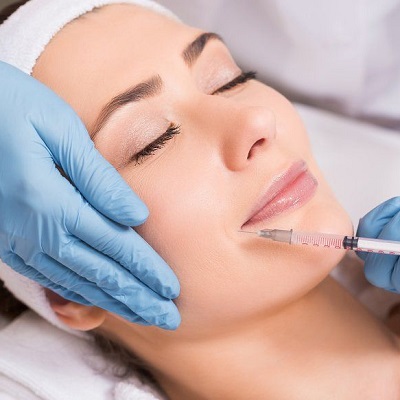
Glutathione injections have become increasingly popular among people interested in skin brightening, antioxidant support, and aesthetic treatments. Searches for the Best Glutathione Injections in Muscat often bring up a wide range of treatment claims, but beginners may find it difficult to separate established medical information from marketing language.
Glutathione itself is a naturally occurring antioxidant produced by the body. It helps protect cells from oxidative stress and participates in several important biochemical processes. However, taking glutathione through an injection or intravenous infusion is very different from the body producing it naturally, and the benefits and risks of injectable treatment deserve careful consideration.
Current research does not establish intravenous glutathione as a routine cosmetic treatment for skin lightening. A recent systematic review found that evidence for IV glutathione remains limited, while a 2026 review concluded that available evidence is not strong enough to justify routine IV glutathione for cosmetic skin lightening.
For anyone considering treatment in Muscat or elsewhere, understanding what glutathione is, what injections are claimed to do, and what safety questions should be asked can make the decision much more informed.
What Is Glutathione and Why Is It Used?
Glutathione is a small molecule made from three amino acids: cysteine, glutamic acid, and glycine. It functions as an important antioxidant within cells and helps the body manage oxidative stress.
Because of these biological properties, glutathione has attracted interest in several areas of medicine and wellness. In aesthetic settings, it is particularly associated with skin-brightening treatments.
The proposed skin-lightening effect is related to glutathione’s influence on melanin production. Melanin is the pigment responsible for much of the color of the skin, hair, and eyes. Research suggests that glutathione may influence the pathway involved in melanin production and may shift melanin synthesis toward lighter pigment types.
That biological explanation, however, should not be interpreted as proof that injections will safely or predictably make the skin lighter. Clinical evidence is still limited, and results can vary substantially between individuals.
It is also important to distinguish glutathione injections from oral supplements and topical products. Different routes of administration have different absorption patterns, evidence bases, and safety considerations.
What Are Glutathione Injections Supposed to Do?
People considering glutathione injections commonly hear claims about brighter-looking skin, reduced pigmentation, improved complexion, antioxidant support, or a more even skin tone.
Some of these claims have a biological basis, but the strength of the evidence varies.
Research involving oral and topical glutathione has produced some evidence of modest improvements in pigmentation. However, evidence specifically supporting intravenous glutathione for cosmetic skin lightening is much weaker. One systematic review identified only limited evidence involving IV treatment, while another recent review concluded that the evidence is insufficient to support routine cosmetic use.
This distinction matters for anyone researching the Best Glutathione Injections in Muscat. A treatment being widely advertised does not necessarily mean that its cosmetic benefits have been established through large, high-quality clinical trials.
Beginners should therefore approach claims such as “permanent whitening,” “instant transformation,” or guaranteed results with caution. Skin pigmentation is influenced by genetics, hormones, sun exposure, inflammation, medications, and underlying skin conditions. Treating pigmentation effectively often requires identifying its actual cause rather than simply attempting to suppress melanin production.
Are Glutathione Injections Safe?
Safety is one of the most important considerations.
An injection or IV infusion introduces a substance directly into the body, bypassing many of the barriers associated with oral administration. The quality of the injectable product, sterility, formulation, dosage, administration technique, and medical supervision all matter.
There have been reports of adverse effects associated with IV glutathione, including infusion reactions, gastrointestinal symptoms, dizziness, abnormal liver-function tests, and rare serious reactions such as anaphylaxis.
There is also a significant concern about the quality of compounded injectable glutathione. In August 2026, the U.S. Food and Drug Administration warned compounders not to use dietary-supplement-grade glutathione to prepare injectable drugs after reports of adverse events associated with contaminated products. Reported symptoms included fever, chills, pain, dizziness, low blood pressure, and sepsis-like reactions.
This does not mean every glutathione injection is contaminated or unsafe. Instead, it highlights why product sourcing and sterile preparation are crucial.
Anyone considering treatment should ask whether the product is appropriate for injection, how it is sourced and stored, and whether trained healthcare professionals are responsible for administering it.
What Should Beginners Check Before Choosing a Treatment?
Someone researching the Best Glutathione Injections in Muscat should focus on safety and medical standards rather than simply choosing the treatment with the strongest advertising.
Several questions can help.
First, is there a proper medical assessment?
A responsible healthcare professional should understand the person’s goals, medical history, current medications, allergies, and relevant health conditions before recommending an injectable treatment.
Second, what exactly is being injected?
The product should be clearly identified. It is reasonable to ask about the active ingredient, formulation, manufacturer or compounding source, storage requirements, and suitability for injection.
Third, who administers the treatment?
An injectable procedure should be performed by appropriately trained healthcare personnel in a setting equipped to recognize and manage adverse reactions.
Fourth, are realistic results explained?
No responsible treatment should promise a particular degree of skin whitening or guaranteed results. The available scientific evidence does not support such certainty.
Fifth, are alternatives discussed?
Pigmentation problems such as melasma, post-inflammatory hyperpigmentation, or sun-related pigmentation may respond to established dermatological approaches. Depending on the diagnosis, a healthcare professional may recommend topical treatments, sun protection, procedures, or other therapies rather than injectable glutathione.
These questions can help a person make a decision based on medical information rather than promotional claims.
What Are the Possible Side Effects and Warning Signs?
Like other injectable treatments, glutathione administration can cause side effects.
Some reactions may be relatively mild, such as discomfort at the injection site, nausea, abdominal symptoms, dizziness, or headache. More serious reactions are possible, particularly with IV administration. Medical literature and FDA materials have reported concerns including hypersensitivity or anaphylaxis and abnormal liver-function tests.
Product quality presents another potential risk. In 2026, the FDA reported adverse events associated with IV glutathione products containing excessive endotoxin levels. Such contamination can result in fever, chills, vomiting, low blood pressure, severe inflammatory reactions, shock, and other serious complications.
After an injection or infusion, symptoms such as difficulty breathing, facial or throat swelling, severe dizziness, fainting, chest discomfort, persistent vomiting, high fever, or signs of a severe allergic reaction require urgent medical attention.
People should also be particularly cautious about purchasing injectable glutathione online or obtaining injections from settings where the product source, sterility, or qualifications of the provider cannot be verified.
Is Glutathione the Right Choice for Skin Brightening?
For someone interested primarily in improving pigmentation, the first step should usually be determining what is causing the pigmentation.
Melasma, acne-related dark marks, sun spots, and other forms of hyperpigmentation do not necessarily respond in the same way. Treating an underlying condition and controlling sun exposure can be more important than simply choosing a product marketed for skin lightening.
The evidence surrounding glutathione is also not uniform across different forms. A 2025 systematic review found some evidence for topical and oral glutathione, but described IV evidence as very limited and highlighted concerns about adverse effects.
For this reason, people searching for the Best Glutathione Injections in Muscat should not assume that an injectable option is automatically more effective because it enters the bloodstream directly.
A qualified healthcare professional can help determine whether the desired cosmetic outcome is realistic and whether a different treatment would offer a better balance between expected benefits and risks.
How Can Someone Make a More Informed Decision?
A good decision begins with realistic expectations.
Glutathione is an important antioxidant naturally present in the body, but that does not automatically make injectable glutathione appropriate for cosmetic use. Scientific evidence for IV glutathione as a skin-lightening treatment remains limited, and long-term safety data are inadequate.
People should also remember that “natural” does not mean “risk-free.” An injectable product must meet appropriate standards for sterility and quality, and administration should take place under suitable medical supervision.
Sun protection is another fundamental part of managing pigmentation. Even when a person receives a cosmetic treatment, continued ultraviolet exposure can contribute to pigmentation and undermine efforts to achieve a more even complexion.
Ultimately, the best approach is one that prioritizes an accurate skin assessment, evidence-based expectations, appropriate product quality, professional administration, and informed consent.
1. What are glutathione injections?
Glutathione injections deliver glutathione into the body through an injectable route, commonly intravenously in aesthetic settings. Glutathione is naturally produced by the body and acts as an antioxidant. Injectable glutathione is sometimes promoted for cosmetic skin brightening, although evidence supporting IV use for this purpose remains limited.
2. Do glutathione injections permanently lighten the skin?
There is no strong evidence showing that glutathione injections can permanently lighten a person’s natural skin color. Research on glutathione and pigmentation has produced variable results, and the duration and consistency of any cosmetic effect remain uncertain.
3. Are glutathione injections completely safe?
No injectable treatment can be considered completely risk-free. Reported concerns with IV glutathione include allergic reactions, infusion-related reactions, gastrointestinal symptoms, dizziness, and abnormal liver-function tests. Product contamination or poor compounding can also create serious risks.
4. How should someone choose glutathione injections in Muscat?
Rather than focusing only on the phrase “Best Glutathione Injections in Muscat,” a person should evaluate the medical assessment, qualifications of the healthcare professional, product quality, sterile preparation, treatment rationale, possible risks, and realistic expectations. A healthcare professional should also be able to discuss alternatives.
5. Can glutathione injections treat melasma or dark spots?
Glutathione has been investigated for pigmentation and melasma, but evidence for injectable glutathione is insufficient to establish it as a reliable standard treatment. Pigmentation can have different causes, so a proper assessment is important before selecting treatment.
6. What should a person do if they experience a serious reaction after an injection?
Symptoms such as breathing difficulty, swelling of the face or throat, fainting, severe dizziness, chest discomfort, high fever, or severe vomiting require prompt medical evaluation. Serious reactions should not be dismissed as a normal part of treatment.
For beginners, the most important lesson is that glutathione injections should be approached as a medical intervention rather than simply a beauty treatment. The popularity of the procedure does not replace the need for evidence, appropriate product quality, professional assessment, and informed consent. Anyone considering injectable glutathione in Muscat can benefit from discussing personal goals and risks with a qualified healthcare professional before proceeding.
Read More About Glutathione Injections: https://www.chiguu.com/discussions/can-glutathione-injections-help-address-different-types-of-pigmentation