
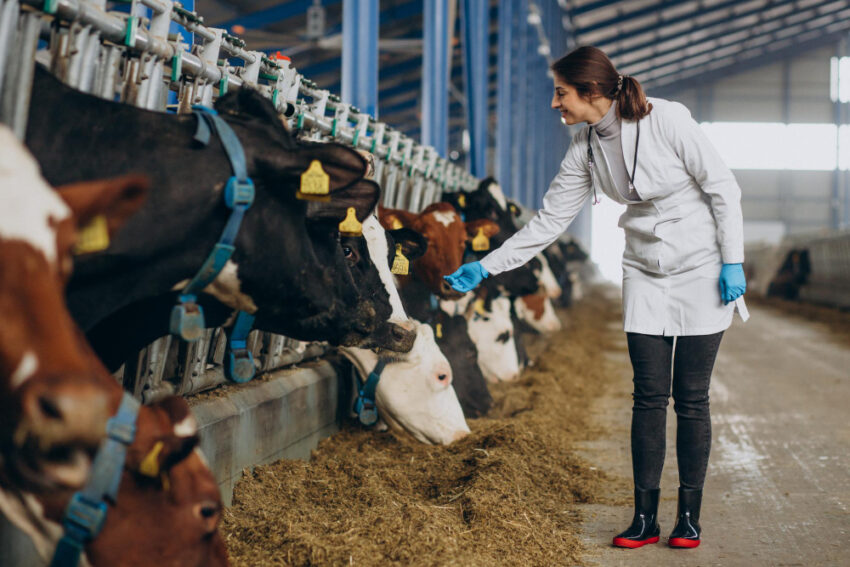
The dairy industry operates under strict safety norms and regulatory standards because dairy products are highly perishable and directly impact public health. Milk and milk-based products like cheese, yogurt, butter, and ice cream require precise control over hygiene, temperature, and processing timelines. Any deviation can lead to contamination, loss of product quality, and legal penalties.
To overcome these challenges and ensure consistent product excellence, Dairy Manufacturing ERP (Enterprise Resource Planning) systems have become a key enabler in modern dairy operations. They provide real-time visibility, enforce regulatory rules, and help plants remain audit-ready—while improving efficiency and customer satisfaction.
In this blog, we explore how Dairy ERP strengthens quality management, ensures full regulatory compliance, and sets the foundation for risk-free production across the entire supply chain.
The Quality Challenge in Dairy Manufacturing
Dairy companies face a unique set of operational challenges:
-
Rapid spoilage of raw milk
-
Temperature-dependent handling and storage
-
Seasonal variations in milk supply and quality
-
Traceability requirements for every batch or lot
-
Complex quality testing, including fat, SNF, and microbial levels
-
Regulatory audits with extensive documentation
Manual processes make it difficult to maintain consistent safety standards. A single misstep can result in massive recalls, loss of reputation, and financial damage.
ERP systems transform this landscape with automation, monitoring, and centralized quality governance.
How Dairy Manufacturing ERP Enhances Quality & Safety
End-to-End Product Traceability
Traceability ensures that every unit of product can be tracked from farm to consumer.
Dairy ERP provides:
-
Complete batch-wise production and packaging tracking
-
Real-time trace-back and trace-forward audit trails
-
Supplier-wise quality scoring based on past deliveries
-
Instant recall notifications and corrective action plans
With full visibility into product history, dairies can investigate issues within minutes instead of hours.
Standardized Quality Testing & Automated Controls
Milk quality fluctuates depending on source, season, and environment. ERP systems automate testing for:
-
Fat %
-
SNF content
-
Moisture and acidity
-
Microbial contamination
-
Temperature deviations
Results are digitally recorded and integrated into acceptance or rejection workflows. Automated alerts quickly notify teams about potential quality failures.
This consistent approach minimizes risk and ensures reliable output across all processing lines.
Better Raw Milk Procurement Management
Quality must begin right at the collection stage.
ERP helps in:
-
Digitally tracking milk quantity & collection routes
-
Monitoring tanker hygiene and chilling center performance
-
Weighted payments based on quality parameters
-
Eliminating manual errors and dishonest grading
Transparent procurement ensures that only high-quality milk enters the factory—reducing downstream waste.
Recipe, Formula & Standardization Control
Dairy manufacturers must maintain consistency in flavor, texture, and nutrition.
ERP manages:
-
Automated recipe control for different dairy products
-
Standardization based on fat & SNF ratio
-
Allergen tracking for flavored & fortified items
-
Nutritional compliance as per industry standards
With this, every batch of yogurt tastes the same, every cheese pack has the right firmness, and every milk pouch has the exact nutritional balance.
Cold Chain Monitoring to Prevent Spoilage
Temperature deviations at any stage can make products unsafe.
ERP integrates sensors and monitoring tools for:
-
Production storage tanks
-
Chilling centers and warehouses
-
Delivery vehicles
-
Retail supply points
Live dashboards track temperature, humidity, and shelf life limits—ensuring products remain fresh until they reach consumers.
Ensuring Compliance with Regulatory Standards
Dairy is among the most regulated food sectors. Compliance goes beyond quality testing—it involves documentation, process safety, hygiene, and employee training.
ERP ensures smooth alignment with standards like:
-
FSSAI (India)
-
HACCP (Hazard Analysis and Critical Control Points)
-
ISO 22000 (Food Safety Management)
-
FDA Guidelines (US)
-
GMP (Good Manufacturing Practice)
Here’s how ERP supports compliance:
Digital Documentation & Audit-Ready Records
ERP reduces huge paperwork required for compliance:
-
Centralized storage of testing reports
-
Automatic version control for SOPs
-
Vendor licensing and certificate tracking
-
Batch retention samples and expiry data
Auditors can instantly access required documents—no frantic searching or missing files.
Automated HACCP Monitoring
ERP supports Critical Control Points (CCPs) such as:
-
Pasteurization temperature
-
Holding time and cooling duration
-
Microbial test results
-
Equipment cleanliness logs
The system flags deviations instantly and documents corrective actions.
Equipment Maintenance & Sanitization Schedules
Cleanliness and machinery health are essential for safe dairy production.
ERP manages:
-
CIP (Clean-in-Place) schedules for tanks & pipelines
-
Predictive maintenance alerts
-
Calibration records for lab and processing equipment
This prevents contamination from faulty machinery or neglected cleaning.
Compliance in Packaging & Labeling
Label accuracy is a legal mandate in dairy retail.
ERP ensures:
-
Correct nutritional information
-
Allergen declaration requirements
-
Precise manufacturing and expiration dates
-
QR / traceability labeling
Mislabeling risks are eliminated, including incorrect shelf life claims.
Real-Time Data: The Foundation of Quality Decisions
Without data, dairy decisions rely on guesswork. ERP transforms data into actionable insight:
-
Production KPIs: wastage, rejections, yield
-
Procurement insights: supplier performance
-
Consumer trend analysis: product demand forecasting
Leaders can detect quality-related patterns early and implement preventive improvements.
Impact of Dairy ERP on Brand Trust
Consumers today demand:
- Purity
- Freshness
- Transparency
- Safe nutrition
With ERP-enabled traceability and compliance, dairy companies can confidently guarantee product quality. Clear safety records and reliable service build stronger brand loyalty and higher market share.
Final Thoughts
Quality and compliance are not optional in the dairy business—they are the pillars of long-term success. A Dairy Manufacturing ERP system ensures:
-
Strong control over production standards
-
100% traceability from farm to retail shelf
-
Reduced spoilage and non-compliance risks
-
Faster response during audits and recalls
-
Greater customer trust and market acceptance
As the industry becomes more competitive and regulated, ERP is no longer a luxury—it’s a necessity.
If your dairy plant still relies on manual paperwork and isolated systems, now is the right time to adopt ERP and move toward a safer, smarter, and more profitable future.
Also Read: ERP Software for Dairy Manufacturers – Everything You Need to Know
Odoo for Dairy Manufacturing: Revolutionizing the Dairy Industry