
Modern diesel vehicles rely on several systems working together to control emissions and maintain engine performance. One of the most important components is the diesel particulate filter, commonly called a DPF.
The filter captures particulate matter from diesel exhaust. Over time, soot, ash, oil residue, and other deposits can accumulate and affect exhaust flow. When this happens, the vehicle may require inspection, cleaning, repair, or another form of maintenance.
Knowing how to approach the problem can help vehicle owners avoid unnecessary downtime and make better maintenance decisions.
Start With a Proper Diagnosis
When a DPF warning appears, replacing the filter immediately is not always the right first step. The symptoms may be caused by accumulated deposits, a regeneration problem, or an issue elsewhere in the engine or emissions system.
A proper diagnosis should consider the vehicle’s warning codes, operating history, exhaust performance, regeneration behaviour, and overall engine condition.
This approach helps separate a restricted filter from problems that may be contributing to excessive soot production.
Understand What Builds Up Inside a DPF
A DPF collects particulate matter during normal diesel operation. Soot can be reduced through regeneration when the system reaches suitable temperatures.
Ash is different. It is a non-combustible residue that gradually accumulates and cannot simply be burned away during a normal regeneration cycle.
Oil contamination and other deposits can also affect the filter. As material builds up, available airflow may decrease and exhaust backpressure can increase.
Understanding the type and amount of buildup is important when deciding what service is appropriate.
Know When Regeneration Is Not Enough
Regeneration is a normal process for diesel engines equipped with DPF systems. It helps burn accumulated soot and allows the filter to continue operating.
However, repeated regeneration does not necessarily solve every DPF problem.
If the filter contains significant ash, oil residue, or hardened deposits, regeneration may not restore the required exhaust flow. Frequent regeneration can also indicate that another issue needs to be investigated.
Drivers should pay attention when regeneration becomes noticeably more frequent or fails to complete properly.
Look at the Complete Exhaust System
The DPF is only one part of the diesel emissions system. Other components can influence how much soot enters the filter and how effectively the system operates.
Issues involving the engine, fuel system, turbocharger, exhaust sensors, or related emissions components may contribute to recurring DPF restriction.
This is why repeatedly cleaning or replacing a filter without investigating the underlying cause may not provide a lasting solution.
A complete assessment can help identify whether the DPF is the primary problem or a symptom of another issue.
When DPF repair Alberta May Be Needed
Vehicle owners searching for DPF repair Alberta services may be dealing with anything from heavy contamination to physical filter damage.
Repair requirements depend on the actual condition of the component. A filter that is structurally intact but restricted by deposits may be suitable for professional cleaning.
A damaged filter may require a different solution. Cracks, melted areas, substrate damage, or other physical problems cannot necessarily be corrected through a cleaning process.
For this reason, inspection should come before selecting a repair or replacement option.
Consider the Vehicle’s Workload
A diesel pickup used occasionally will have different DPF requirements from a long-haul truck operating every day.
Commercial fleets, delivery vehicles, buses, construction equipment, agricultural machinery, and other heavy-duty applications can place significant demands on emissions systems.
Frequent idling, short trips, low-speed operation, heavy loads, and stop-and-go driving can affect regeneration behaviour and soot accumulation.
When evaluating a DPF issue, technicians should consider how the vehicle is actually being used rather than relying only on mileage.
Watch for Changes in Performance
A DPF problem can sometimes appear as a performance issue.
Drivers may notice slower acceleration, reduced power when carrying a load, changes in fuel consumption, or unusual regeneration activity.
These symptoms can have multiple causes, so they should not automatically be attributed to the DPF.
Keeping track of when the symptoms occur can help during diagnosis. For example, a problem that appears primarily during heavy loads may provide different diagnostic information from one that occurs during normal highway driving.
Avoid Ignoring Persistent Warning Lights
A temporary DPF warning may be part of normal system operation, depending on the vehicle and circumstances. A persistent or recurring warning deserves closer attention.
If the vehicle repeatedly requests regeneration or enters a reduced-power mode, continuing to operate it without diagnosis may allow the underlying problem to become more serious.
For commercial operators, early attention can also reduce unexpected downtime.
A truck that becomes unavailable during a delivery schedule can create costs beyond the repair itself.
Cleaning Can Be an Alternative to Replacement
Not every restricted DPF needs to be replaced.
When the filter is physically sound, professional cleaning may remove accumulated soot, ash, oil residue, and other contaminants. The appropriate process depends on the condition of the filter and the equipment being used.
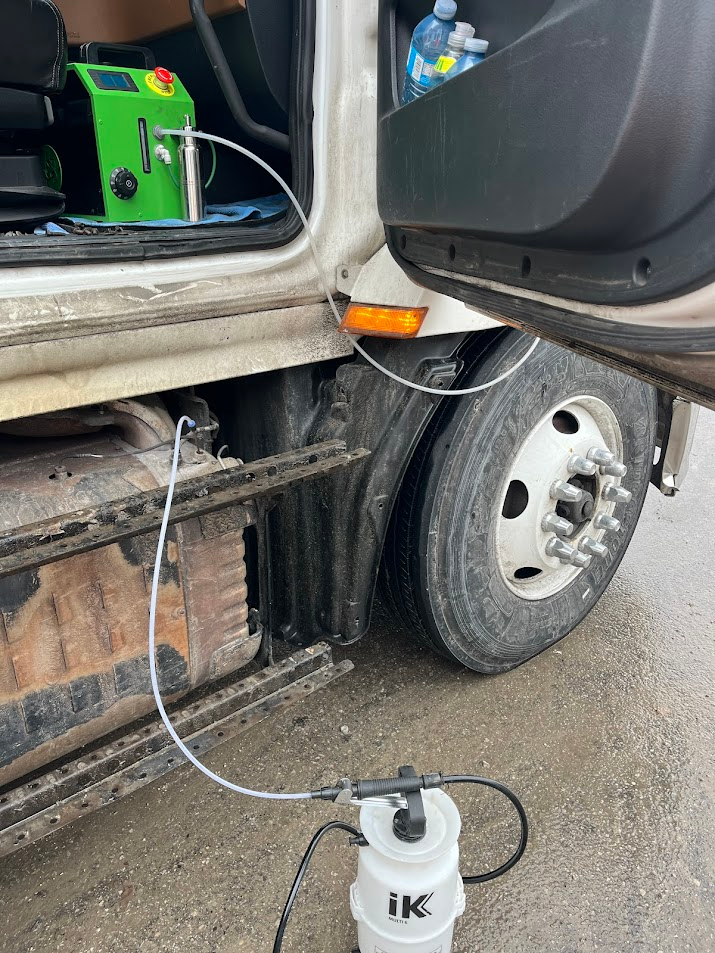
The website’s current service model focuses on on-vehicle cleaning and describes a process intended to address carbon, oil, ash, and deposits without removing the DPF.
This type of service can be relevant when minimizing vehicle downtime is important, particularly for commercial fleets and heavy equipment.
Think About Downtime Before Choosing a Service
For businesses operating diesel vehicles, service time can be an important consideration.
Long-haul trucks, delivery fleets, construction equipment, waste vehicles, buses, and other commercial applications may be tied directly to daily operations. A maintenance decision should therefore consider not only the technical solution but also how long the vehicle may be unavailable.
The right service approach depends on the vehicle, filter condition, available equipment, and nature of the problem.
Keep Maintenance Records
Recording DPF-related maintenance can make future diagnosis easier.
Keep track of warning lights, regeneration frequency, cleaning dates, repairs, engine work, and any changes in fuel consumption or performance.
For fleet operators, these records can help identify recurring problems across individual vehicles. If one vehicle repeatedly develops restrictions while others operating under similar conditions do not, the difference may provide useful diagnostic information.
Prevent Recurring Problems
Fixing the immediate DPF issue is only part of the process. Preventing the same problem from returning is equally important.
Follow the vehicle manufacturer’s maintenance recommendations, address engine faults promptly, avoid unnecessary idling, and monitor regeneration behaviour.
If a DPF becomes restricted repeatedly after cleaning, investigate the underlying cause rather than simply repeating the same service.
A recurring restriction may indicate that the engine or another emissions component requires attention.
Final Thoughts
DPF problems should be approached through diagnosis rather than assumptions. Soot, ash, oil residue, regeneration problems, exhaust restriction, and physical damage can require different solutions.
For those looking for DPF repair Alberta, the most useful first step is understanding the actual condition of the filter and the reason the problem developed. A cleanable filter may require professional cleaning, while a physically damaged component may need repair or replacement.
Considering the entire diesel system, the vehicle’s operating conditions, and its maintenance history can help create a more practical service plan. With timely attention and appropriate maintenance, diesel vehicle owners can reduce unnecessary downtime while supporting reliable exhaust-system performance.