
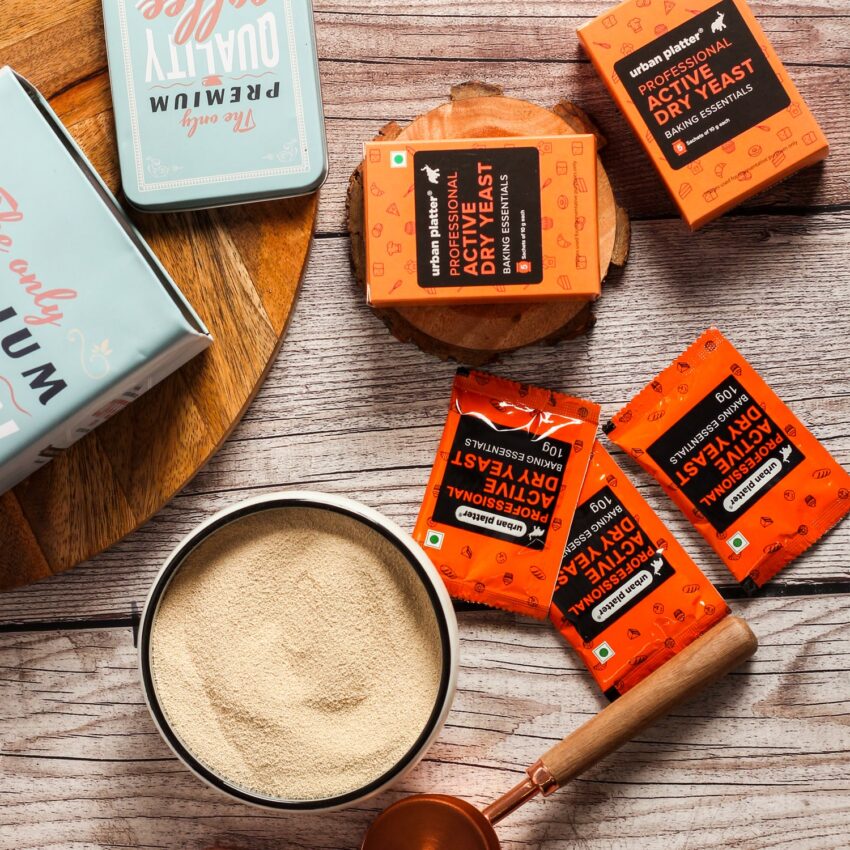
Dry yeast is a staple ingredient for making homemade bread, pizza, buns, rolls, and many other baked goods. However, even high-quality dry yeast powder can lose its effectiveness when exposed to heat, moisture, or air for extended periods. Proper storage helps preserve its freshness and ensures that the yeast performs well when you are ready to bake.
Whether you are an occasional home baker or regularly prepare bread and pizza at home, knowing how to store dry yeast correctly can help you achieve better and more consistent results.
Why Proper Storage of Dry Yeast Matters
Yeast is a living microorganism that helps dough rise by producing carbon dioxide during fermentation. When yeast is exposed to unsuitable storage conditions, its activity can gradually decrease.
Using old or improperly stored yeast may result in dough that rises slowly or fails to rise properly. This can affect the texture, volume, and overall quality of your baked goods.
Proper storage of dry yeast powder helps protect it from the factors that can reduce its effectiveness.
1. Store Unopened Dry Yeast in a Cool, Dry Place
Unopened dry yeast packets can generally be kept in a cool, dry pantry or kitchen cabinet, away from direct sunlight and sources of heat.
Avoid storing yeast:
- Next to an oven or stove
- In direct sunlight
- Near a sink or other source of moisture
- In areas exposed to frequent temperature fluctuations
Always follow the storage instructions provided on the product packaging and check the best-before or expiry date before use.
2. Refrigerate Dry Yeast After Opening
Once a packet of dry yeast powder has been opened, refrigeration can help maintain its quality for longer. Place the remaining yeast in an airtight container or tightly reseal the original package before putting it in the refrigerator.
Keeping the container properly sealed is important because refrigerator environments can contain moisture and food odours that may affect an unprotected ingredient.
3. Keep Moisture Away from the Yeast
Moisture is one of the biggest enemies of dry yeast. Always use a clean and completely dry spoon when measuring yeast.
Avoid handling the yeast with wet hands or allowing water to enter the container. Even small amounts of moisture can cause the dry granules to clump and may affect their quality.
If you frequently bake, storing your yeast in a dedicated airtight container can make it easier to protect and measure.
4. Use an Airtight Container
After opening the package, transfer the remaining dry yeast powder to an airtight, food-safe container if the original packaging cannot be sealed properly.
An airtight container helps limit exposure to:
- Air
- Moisture
- Food odours
- Contaminants
Remember to close the container immediately after taking out the required amount rather than leaving it open while preparing the rest of your ingredients.
5. Avoid Heat and Direct Sunlight
High temperatures can reduce yeast activity over time. Therefore, a warm kitchen shelf or cabinet directly above an oven may not be the best place to store dry yeast.
Choose a cool, dry cupboard for unopened packets and follow the manufacturer’s recommendations for opened products.
6. Don’t Mix Old and New Yeast
If you purchase a new packet of yeast while you still have some left, avoid automatically mixing the two together in the same container. Keeping batches separate makes it easier to track their respective expiry dates and storage history.
It is also a good practice to label an opened container with the date it was opened.
7. Check Dry Yeast Before Using It
If you are unsure whether your stored yeast is still active, you can check it before adding it to a complete recipe. For yeast varieties that require activation, follow the manufacturer’s instructions for testing the yeast with warm water and, where appropriate, a small amount of sugar.
Active yeast should show signs of activity, such as foaming, within the expected time. If there is little or no activity, the yeast may no longer be effective.
For instant yeast or other yeast varieties that are designed to be mixed directly into flour, follow the specific instructions on the package rather than relying on an activation test.
How Long Does Dry Yeast Last?
The shelf life of dry yeast depends on the type of yeast, packaging, storage conditions, and manufacturer’s recommendations. Unopened yeast generally stays usable until the date indicated on the package when stored correctly.
Once opened, its freshness can decline over time, particularly if it is exposed repeatedly to air, heat, or moisture. Refrigerating properly sealed opened yeast can help maintain its quality.
For the best results, always check the product label and use your yeast within the recommended period.
Tips for Using Stored Dry Yeast
For more reliable baking results, keep these simple practices in mind:
- Measure yeast using a clean, dry spoon.
- Keep opened yeast tightly sealed.
- Refrigerate opened yeast when recommended by the manufacturer.
- Don’t expose yeast unnecessarily to heat or moisture.
- Check the expiry or best-before date regularly.
- Test older yeast when you’re unsure about its activity.
- Follow the recipe and manufacturer’s instructions for the specific type of yeast.
Why Freshness Matters in Baking
The quality of yeast directly affects the fermentation process. Active yeast helps dough develop the structure and volume needed for soft bread, fluffy buns, airy pizza bases, and other baked products.
If your dough consistently fails to rise despite following the recipe correctly, improperly stored or inactive yeast could be one possible reason. However, factors such as water temperature, flour quality, kneading, fermentation time, and room temperature can also influence the final result.
Final Thoughts
Knowing how to store dry yeast properly is a simple but important part of successful home baking. Keep unopened packets in a cool, dry place, protect opened dry yeast powder from air and moisture, and use an airtight container when necessary. Refrigeration after opening can also help preserve its quality when recommended by the manufacturer.
With proper storage and careful handling, you can help maintain the activity of your dry yeast and get more consistent results from homemade breads, pizzas, rolls, buns, and other favourite baked recipes.