
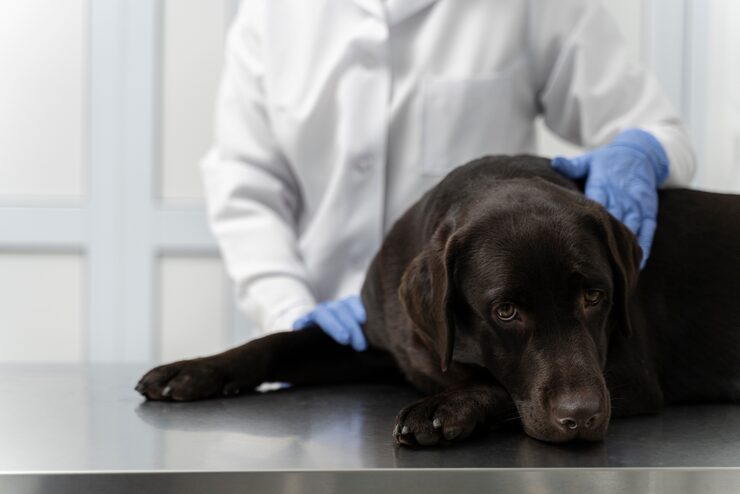
Your pet depends on you to notice when something is wrong. Some health problems develop slowly. Others appear without warning and can become serious within minutes. Knowing the difference can help protect your pet’s health and may even save a life.
Pet emergency services play an important role when a pet faces a sudden illness, injury, or medical crisis. While regular veterinary care supports long-term health, emergency care focuses on urgent situations that need immediate attention. The challenge for many pet owners is knowing which symptoms require fast action and which can wait for a scheduled appointment.
Understanding the warning signs helps you make informed decisions when your pet needs help most.
Why Quick Action Matters During an Emergency
Pets often hide pain and discomfort. By the time obvious symptoms appear, a condition may have already progressed. Waiting too long can allow a problem to worsen and make treatment more difficult.
A pet experiencing severe breathing problems, internal injuries, poisoning, or uncontrolled bleeding needs immediate medical attention. Early care can reduce complications, ease suffering, and improve recovery.
Trust your instincts. If your pet’s behavior suddenly changes and something feels wrong, it is always safer to seek professional guidance.
Pet Emergency Services: Symptoms That Need Immediate Attention
Not every health issue is an emergency, but some symptoms should never be ignored. These signs often indicate a serious medical problem that requires urgent evaluation.
Difficulty Breathing
Breathing should look effortless. If your pet struggles to breathe, breathes rapidly, pants excessively without exercise, or makes unusual breathing sounds, seek care immediately.
Breathing issues can result from allergic reactions, heart disease, airway blockages, heatstroke, or respiratory illness. Oxygen levels can drop quickly, making this one of the most urgent situations a pet can face.
Severe Bleeding
A small cut may not be a concern. Heavy bleeding is different.
If blood does not stop flowing after several minutes of pressure, your pet needs urgent care. Significant blood loss can lead to shock and other serious complications.
Bleeding from the mouth, nose, ears, or rectum also requires prompt attention.
Collapse or Loss of Consciousness
A pet that suddenly collapses or becomes unresponsive needs immediate medical evaluation.
This symptom may be linked to heart problems, severe infections, internal bleeding, poisoning, or neurological conditions. Even if your pet regains consciousness, an examination is necessary.
Seizures
A seizure can be frightening to witness. During a seizure, a pet may shake, lose awareness, paddle their legs, drool, or fall over.
A single seizure deserves veterinary attention. Multiple seizures within a short period or a seizure lasting several minutes should be treated as an emergency.
Poisoning and Toxic Exposure
Many household items can harm pets. Common risks include medications, cleaning products, certain foods, plants, and chemicals.
Symptoms may include vomiting, diarrhea, tremors, weakness, drooling, or unusual behavior. If you suspect your pet has swallowed something toxic, do not wait for symptoms to worsen.
Fast treatment often leads to better outcomes.
Signs of Internal Problems You Cannot See
Some emergencies occur inside the body and may not show obvious external signs.
Pale or Blue Gums
Healthy gums are usually pink. Pale, white, gray, or blue gums may indicate poor circulation, blood loss, breathing problems, or shock.
Check your pet’s gums if they appear weak or distressed. Any unusual gum color requires immediate attention.
Swollen or Bloated Abdomen
A swollen abdomen can signal a serious medical condition.
Some pets experience abdominal swelling due to internal bleeding, fluid buildup, or digestive emergencies. The abdomen may feel tight or painful when touched.
Sudden bloating should never be ignored.
Inability to Urinate
Straining without producing urine is a medical emergency, especially in male pets.
Urinary blockages can become life-threatening if left untreated. Signs may include repeated attempts to urinate, vocalizing, restlessness, or discomfort.
Prompt care is essential.
Understanding a Pet Emergency in Calgary
Weather, outdoor activities, and urban environments can all contribute to health emergencies. A pet emergency in Calgary may involve heat-related illness during warmer months, injuries from outdoor adventures, accidental poison exposure, or trauma from unexpected accidents.
Pet owners often assume they will have time to monitor symptoms. In many cases, waiting can increase risks. A pet emergency in Calgary should always be taken seriously when symptoms appear suddenly or continue to worsen.
Knowing where to seek help before an emergency happens can reduce stress and allow faster decision-making.
When Pain Becomes an Emergency
Pain is not always easy to recognize in animals.
Pets may hide discomfort because it is a natural survival instinct. Signs of severe pain often include:
- Constant pacing
- Excessive panting
- Crying or vocalizing
- Aggressive behavior
- Refusing food
- Difficulty standing
- Reluctance to move
A pet that appears distressed or unable to get comfortable may need urgent medical care.
Pay close attention to changes in normal behavior. Those changes often provide valuable clues.
The Role of a Pet Emergency Clinic
A pet emergency clinic focuses on urgent medical situations that cannot wait for a routine appointment.
These facilities are equipped to assess critical conditions, perform diagnostic testing, stabilize patients, and provide treatment when time matters most.
A pet emergency clinic may help manage conditions such as severe injuries, respiratory distress, poisoning, seizures, and sudden illness. The goal is to address immediate threats to health and improve the chances of recovery.
Understanding when to visit a pet emergency clinic can help you act with confidence during stressful situations.
How to Prepare Before an Emergency Happens
Emergencies often occur without warning. Preparation can help you stay calm and respond quickly.
Keep your pet’s medical records organized and easy to access. Save important contact information in your phone. Maintain a basic pet first-aid kit at home.
Most importantly, become familiar with common emergency symptoms before they occur.
A prepared pet owner can make faster decisions during a crisis.
Protecting Your Pet When Every Minute Counts
Medical emergencies can happen to any pet, regardless of age, breed, or lifestyle. The key is recognizing serious symptoms early and taking action without delay.
Breathing difficulties, seizures, poisoning, collapse, severe bleeding, and urinary blockages should never be ignored. Quick attention often leads to better outcomes and can prevent a condition from becoming more severe.
When urgent health concerns arise, pet emergency services provide the support pets need during critical moments. If you are looking for experienced veterinary guidance and compassionate care, Silverado Veterinary Hospital is available to help pet owners make informed decisions when their pets need attention. Visit us to learn more about protecting your pet’s health and well-being.
Frequently Asked Questions
What is considered a pet emergency?
A pet emergency includes any condition that threatens your pet’s life, breathing, mobility, or overall health. Common examples include severe bleeding, seizures, poisoning, collapse, breathing difficulties, and major injuries.
How do I know if my pet needs emergency care?
If symptoms appear suddenly, worsen quickly, or cause significant distress, seek immediate veterinary attention. Changes in breathing, consciousness, or mobility should never be ignored.
Should I wait to see if my pet improves?
Waiting can increase the risk of complications in many emergencies. If you are unsure, it is best to contact a veterinary professional for guidance.
What should I do if my pet eats something toxic?
Seek veterinary advice immediately. Try to identify the substance involved and avoid attempting home treatments unless instructed by a professional.
Why is a pet emergency clinic important?
A pet emergency clinic provides urgent medical care for serious illnesses and injuries. These clinics are equipped to assess critical conditions and begin treatment without delay.