
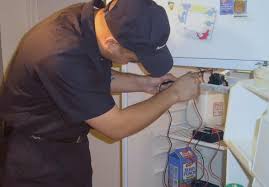
A refrigerator is one of the most important appliances in any home. It keeps food fresh, preserves groceries, and helps maintain a healthy household. However, when you notice water leaking inside your refrigerator, it can quickly become a frustrating problem. Puddles of water under drawers, moisture on shelves, or ice buildup in unexpected places can make your fridge messy and potentially damage stored food.
The good news is that most refrigerator water leaks inside the unit are caused by common issues that can be fixed with simple troubleshooting steps. In this comprehensive guide, we will explain the possible causes of water leaks inside a refrigerator and provide step-by-step repair solutions to help you resolve the problem effectively.
Why Is Your Refrigerator Leaking Water Inside?
When water collects inside a refrigerator, it usually indicates a problem with the defrost system, drainage system, or internal components. Refrigerators naturally produce moisture during cooling and defrost cycles. Normally, this moisture drains through a small channel and evaporates safely.
If something blocks or disrupts this process, water may start leaking inside the fridge instead of draining properly.
Here are some of the most common causes of internal refrigerator water leaks:
- Clogged defrost drain
- Frozen drain line
- Damaged or dirty door seals
- Blocked air vents
- Improper refrigerator leveling
- Faulty water filter or water line
- Excess humidity inside the fridge
Understanding the cause of the leak is the first step toward fixing it.
Step-by-Step Guide to Fix Refrigerator Water Leaks
Below are the most effective steps you can follow to diagnose and repair the issue.
Step 1: Identify Where the Water Is Coming From
The first step is determining where the water is collecting inside your refrigerator.
Check these areas:
- Bottom of the refrigerator compartment
- Under vegetable or crisper drawers
- On shelves
- Near the freezer compartment
- Around the ice maker area
If water collects under the crisper drawers, the problem is often a clogged defrost drain. If the leak is near the ice maker, it may involve the water supply line.
Knowing the location of the leak helps narrow down the cause.
Step 2: Check the Defrost Drain
One of the most common reasons for fridge leaking water inside is a clogged defrost drain.
During the defrost cycle, melted ice flows into the drain hole and travels through a tube to a drip pan beneath the refrigerator. If the drain becomes blocked with food particles, debris, or ice, water cannot flow properly and starts pooling inside the fridge.
How to Fix a Clogged Defrost Drain
- Unplug the refrigerator for safety.
- Locate the defrost drain hole (usually at the back of the fridge or freezer).
- Remove any visible debris or ice buildup.
- Use warm water to flush the drain hole.
- A small flexible brush or pipe cleaner can help remove stubborn clogs.
- Dry the area and restart the refrigerator.
Clearing the drain usually resolves the issue quickly.
Step 3: Remove Ice Blocking the Drain Line
Sometimes the drain tube becomes frozen, preventing water from flowing out of the refrigerator.
This often happens if the freezer temperature is set too low or if moisture accumulates in the drain.
How to Fix a Frozen Drain
- Turn off and unplug the refrigerator.
- Remove shelves or drawers blocking access to the drain.
- Pour warm water into the drain hole to melt ice.
- Repeat until water flows freely through the drain.
Some homeowners also use a turkey baster or squeeze bottle to push warm water through the drain tube.
Step 4: Inspect the Door Seals (Gaskets)
Refrigerator door seals are responsible for keeping cold air inside and warm air outside. If the seals are dirty, damaged, or loose, warm air can enter the refrigerator.
This causes condensation to form inside the appliance, which can eventually turn into water leaks.
How to Fix Door Seal Problems
- Inspect the rubber seals around the refrigerator door.
- Look for cracks, gaps, or looseness.
- Clean the seals using warm water and mild soap.
- Dry them completely.
- Replace damaged gaskets if necessary.
Proper door sealing helps prevent moisture buildup inside the refrigerator.
Step 5: Check the Refrigerator’s Level
If your refrigerator is not properly leveled, water may collect inside instead of draining correctly.
Refrigerators are designed to tilt slightly backward so water flows toward the drain.
How to Level Your Refrigerator
- Use a spirit level to check the appliance.
- Adjust the front legs or rollers.
- Ensure the refrigerator tilts slightly toward the back.
This simple adjustment can improve drainage and prevent water pooling.
Step 6: Inspect the Water Supply Line
If your refrigerator has a water dispenser or ice maker, it uses a water supply line connected to the plumbing system.
Leaks inside the fridge can occur if the line is damaged or loose.
What to Check
- Cracked water lines
- Loose connections
- Damaged valves
- Blocked water filters
Tightening connections or replacing damaged lines can stop the leak.
Step 7: Check the Drain Pan
At the bottom of most refrigerators is a drain pan that collects water from the defrost cycle. Normally this water evaporates.
However, if the pan is cracked, misaligned, or overflowing, it may cause water to appear inside the fridge.
How to Fix Drain Pan Issues
- Pull the refrigerator away from the wall.
- Locate the drain pan underneath the unit.
- Remove and clean it if necessary.
- Replace it if it is cracked or damaged.
Step 8: Reduce Moisture Inside the Refrigerator
Excess moisture can also cause water buildup.
This may happen when:
- Hot food is placed directly in the refrigerator
- The door is opened too frequently
- Food containers are not sealed
Tips to Reduce Moisture
- Allow hot food to cool before storing.
- Keep the refrigerator door closed as much as possible.
- Store food in sealed containers.
Signs You Need Professional Refrigerator Repair
While many water leak problems can be fixed at home, some situations require professional assistance.
Consider contacting an appliance repair technician if:
- Water continues leaking after troubleshooting
- The refrigerator has electrical issues
- The water line is severely damaged
- The internal cooling system is malfunctioning
- Ice maker components are faulty
Professional technicians have the tools and expertise to diagnose complex refrigerator problems safely.
Preventing Future Refrigerator Water Leaks
Regular maintenance can help prevent leaks and extend the life of your refrigerator.
Clean the Defrost Drain Regularly
Check the drain hole every few months to ensure it is free from debris.
Keep the Refrigerator Organized
Avoid blocking air vents or drain channels with food items.
Check Door Seals Periodically
Inspect the gaskets for wear and tear.
Replace Water Filters on Time
Clogged filters can affect water flow and cause leaks.
Maintain Proper Temperature Settings
Recommended settings:
- Refrigerator: 37–40°F (3–4°C)
- Freezer: 0°F (-18°C)
Correct temperatures help prevent ice buildup and drainage problems.
Why Fixing Refrigerator Leaks Quickly Is Important
Ignoring water leaks inside a refrigerator can lead to several problems.
Food Spoilage
Excess moisture can affect food quality and cause faster spoilage.
Mold and Bacteria Growth
Standing water inside the refrigerator can encourage mold growth.
Appliance Damage
Continuous leaks may damage internal components.
Higher Energy Bills
A malfunctioning refrigerator often works harder, increasing energy consumption.
Addressing the issue early helps avoid these complications.
Frequently Asked Questions
Why is water collecting under the vegetable drawers?
This usually happens due to a blocked defrost drain.
Is a small amount of water normal?
A small amount of moisture can occur during defrost cycles, but large puddles indicate a problem.
Can I still use the refrigerator while it leaks?
It is better to fix the issue quickly to prevent damage or food contamination.
How often should I clean the drain?
Cleaning the drain every 6 months helps prevent clogs.
Conclusion
A refrigerator leaking water inside can be inconvenient, but it is often caused by simple issues such as a clogged defrost drain, frozen drain line, damaged door seals, or improper leveling. By following the step-by-step repair guide, many homeowners can resolve the problem quickly without replacing the appliance.
Regular maintenance, proper usage, and early troubleshooting can help keep your refrigerator running efficiently for years. However, if the leak persists or involves more complex components, seeking help from a professional appliance repair technician is the safest solution.
Taking quick action not only protects your appliance but also ensures your food stays fresh and your kitchen remains clean and safe.