
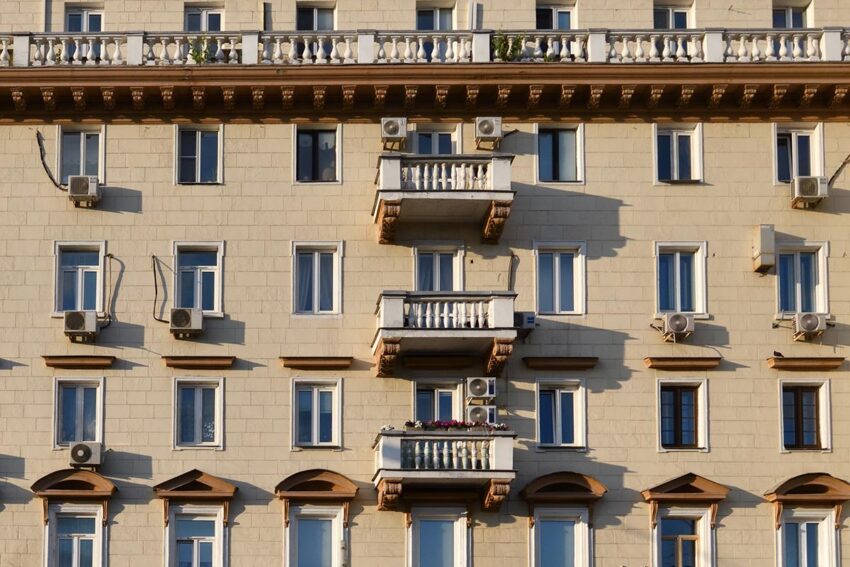
Installing an air conditioner in a building designated as a historical heritage site is a unique challenge, requiring a balance between modern comfort requirements and respect for the building’s cultural and architectural value. Such buildings often feature unique architectural details that must be preserved, complicating the modernization process. Let’s consider the key considerations for selecting and installing air conditioners in such buildings.
Compliance with Cultural Heritage Protection Requirements
In most cases, buildings listed as cultural heritage sites are subject to strict oversight by government agencies. This means that any changes to their exterior or interior appearance must be approved by the relevant authorities. Before installing an air conditioner, it’s essential to familiarize yourself with local laws and obtain a permit for the work. It’s important to avoid violations such as altering facades or destroying or damaging architectural elements, which could result in fines or even legal consequences.
Selecting an Air Conditioning System
There are several types of air conditioning systems suitable for use in historic buildings, but not all are suitable. Systems with minimal visual impact are among the best options. Let’s consider several of the most suitable solutions:
- Ducted air conditioning systems: These systems are ideal for buildings with limited options for changing the exterior. Indoor units can be concealed behind suspended ceilings or in utility niches, while the outdoor unit can be installed in a less visible location, such as a courtyard.
- Multi-zone systems (VRF/VRV): These systems allow multiple indoor units to be connected to a single outdoor unit. This is especially convenient when air conditioning a large number of rooms without installing multiple outdoor units, which could spoil the building’s appearance.
- Concealed cassette air conditioners: This type of equipment is mounted in ceiling structures, minimizing its visibility within the interior. These systems are well suited for spaces with high ceilings, typical of historic buildings.
Maintaining Architectural Integrity
One of the main challenges when installing air conditioners in historic buildings is preserving their architectural authenticity. This applies to both interiors and exteriors. Equipment installation should be carried out in a manner that does not compromise the integrity of façades, decorative elements, and window structures. For example, outdoor air conditioner units can be disguised as decorative elements or installed in locations where they will not be visible to passersby.
For the interior of a building, unconventional solutions are often used, such as routing air ducts through existing ducts, ventilation shafts, or spaces between floors. This allows the original finish of walls and ceilings to be preserved without visible changes.
Considering Structural Features
Historic buildings often have unique structural features that should be considered when installing air conditioners. For example, older buildings may have thick masonry walls or wooden floors, which can limit equipment installation locations and require more complex technical solutions. Pipes and cables may require specialized drilling or fastening techniques to minimize potential structural damage.
Furthermore, such buildings often feature natural ventilation systems, which can be integrated with modern air conditioning systems. This improves air circulation and reduces the load on the equipment.
Energy Efficiency and Environmental Protection
Historic buildings are often not designed to meet modern energy consumption standards, which can lead to high operating costs for air conditioning systems. Therefore, when selecting equipment, consider its energy efficiency. Modern air conditioners with inverter compressors consume less energy and are more environmentally friendly, which is especially important for buildings where maintaining not only the architectural but also the environmental balance is key.
It’s also important to consider using heat pump systems, which can provide both cooling and heating. This will reduce overall heating costs during the cold season and reduce the amount of equipment installed.
Professional Installation and Maintenance
Installing air conditioners in heritage buildings requires not only careful planning but also the involvement of professionals experienced in such projects. Specialists must understand the building’s structural features, have experience working with heritage buildings, and adhere to strict installation standards. This includes not only the installation process itself but also subsequent system maintenance.
It’s also important to regularly maintain the installed equipment to prevent breakdowns and ensure long-term operation. Given that equipment may be difficult to access in such buildings (for example, if it’s installed in hidden locations), it’s essential to provide convenient maintenance and diagnostic options.
Source domioffis.com