
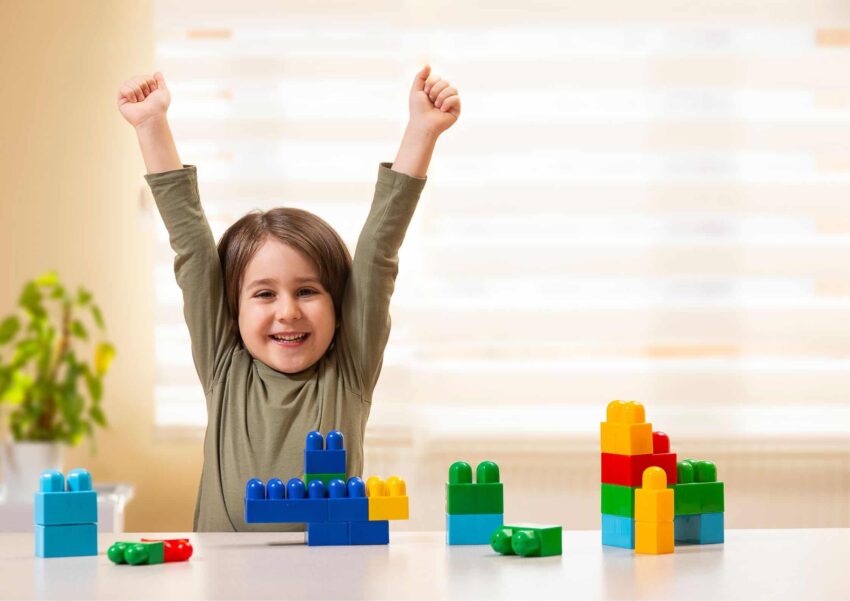
Play is more than just fun for a child — it’s how they make sense of the world, express their feelings, and work through experiences they can’t yet put into words. At Rocky Mountain Psychological Services (RMPS) in Calgary, their Play Therapy program offers a safe, structured, and therapeutic space where children can use their natural language of play to heal, grow, and develop emotional resilience.
What Is Play Therapy?
Play Therapy is a specialized form of psychological therapy that uses play — toys, games, art materials, sand trays, dolls — as a way for children to communicate, process difficult experiences, and explore internal conflicts. Unlike traditional talk therapy, play therapy works with the developmental level of children, allowing them to express thoughts and feelings symbolically through their play.
At RMPS, the therapists are trained to create a supportive environment where children feel safe to lead, explore, and make sense of their emotions. Their approach is informed by a flexible model called the Play Therapy Dimensions Model (PTDM) — which helps therapists adjust how much they guide the play (directiveness) and how deeply they invite emotional awareness (consciousness) during each session.
Techniques Used in Play Therapy at RMPS
RMPS uses a variety of therapeutic techniques, tailored to the child’s age, personality, and emotional needs:
-
Non-Directive Play: The child leads the play, choosing toys and themes freely, while the therapist observes, reflects, and gently supports emotional expression.
-
Directive Play: The therapist may suggest or structure activities when there is a particular goal — for example, helping a child process a loss or learn coping strategies.
-
Symbolic Play & Sand Tray: Children might use sand, figures, or other symbolic materials to reenact experiences, express internal themes, and explore relationships.
-
Art & Creative Expression: Drawing, storytelling, puppets, or role-play give children tools to externalize feelings that are hard to talk about.
-
Trauma-Informed Play: For children who’ve experienced trauma, therapists gently guide play toward emotional healing, helping the child safely revisit and reframe difficult memories.
Thanks to the PTDM framework, RMPS therapists can seamlessly shift between these modes, depending on what the child needs in each moment.
Why Play Therapy Works: Key Benefits
-
Emotional Expression & Regulation
Young children often lack the verbal or emotional vocabulary to express complex feelings. Through play, they can externalize these feelings in a way that feels natural and manageable. Over time, this supports emotional regulation — reducing tantrums, outbursts, and emotional shutdowns. -
Building Coping Skills
In the safety of the play room, kids can experiment with different ways of solving problems, handling conflict, and managing stress. These learned strategies often generalize to real life, helping the child navigate school, home, and relationships more effectively. -
Increased Self-Esteem and Confidence
As children make choices, role-play, and succeed in their symbolic worlds, they build a stronger sense of agency. Through repeated play experiences, they can gain confidence in their ability to face real-life challenges. -
Improved Social Skills
Play Therapy often involves role-playing social situations, which helps children practice empathy, turn-taking, conflict resolution, and communication. -
Healing from Trauma
For children who’ve experienced trauma, play therapy provides a non-threatening way to process tough experiences. They can “replay” situations, experiment with different endings, and gradually integrate their emotions. -
Stronger Parent-Child Relationships
Many play therapy approaches involve parents — either by bringing them into the playroom, or coaching them to use therapeutic play at home. This helps caregivers understand their child’s inner world, respond with empathy, and reinforce therapeutic gains in daily life.
When Play Therapy Is Especially Helpful
Play therapy isn’t just for any child — it is particularly beneficial in situations where verbal therapy is less effective, or where children are dealing with:
-
Anxiety, fears, or separation issues
-
Trauma, grief, or loss
-
Behavioral challenges such as aggression or defiance
-
Developmental or social delays (e.g., neurodiversity, autism)
-
Family conflict, divorce, or transitions
-
Difficulties in emotional regulation or self-esteem
How RMPS Delivers Play Therapy
At Rocky Mountain Psychological Services, their play therapy space is thoughtfully designed: child-friendly, warm, and rich with materials — sand trays, puppets, dolls, art supplies, role-play toys — everything a child might choose to tell their story.
Their therapists are trained not only in play techniques, but also in observation and interpretation. They don’t just watch children play — they pay close attention to themes, patterns, metaphors, and emotional shifts, and gently help the child reflect and grow when appropriate.
With the Play Therapy Dimensions Model (PTDM), RMPS clinicians tailor each session. For example:
-
With an anxious preschooler, they may start with non-directive, low-emotional play to build trust.
-
With a child who has experienced trauma, they might guide the play more actively (directive) to help process themes safely.
-
With older children, they may transition to deeper emotional processing and more verbal reflection.
Sessions are structured to meet the child’s needs and evolve as they grow. Parents may be involved in feedback sessions or guided on how to reinforce therapeutic work at home.
Real-World Impact: Stories of Change
Although each child’s journey is unique, many families report powerful changes through play therapy at RMPS:
-
A shy child who barely spoke at the beginning learns to express feelings through role-play dolls, building trust with the therapist and at home.
-
A child who has experienced family conflict reenacts and works through relational themes using puppets, discovering new ways to communicate.
-
A child who struggles with anger uses creative play to practice calming strategies, reducing the frequency of outbursts in real life.
-
Through parent-therapist collaboration, caregivers learn to understand symbolic play and respond in ways that strengthen their bond with their child.
Why Choose RMPS for Play Therapy?
-
Expertise & Training: RMPS therapists are highly trained in play therapy, trauma-informed practice, and child development.
-
Person-Centered Approach: Sessions are tailored using the PTDM, allowing flexibility to match each child’s emotional and developmental needs.
-
Integrated Care: Play therapy at RMPS is part of a broader system: assessment, counselling, neurofeedback, and family involvement.
-
Safe, Therapeutic Space: The physical playroom and the relational environment are designed for safety, exploration, and healing.
-
Accessible Services: RMPS offers both in-person and telepsychology options, making play therapy more accessible for many families.
Important Considerations & Realistic Expectations
While play therapy is powerful, it’s not a quick fix. Progress may take time, and the pace depends on the child’s comfort, trust, and readiness to engage. Also:
-
It’s not a stand-alone solution for all issues — sometimes used in combination with other therapies or interventions.
-
Consistency matters: regular sessions, parental involvement, and a stable therapeutic relationship often lead to the best outcomes.
-
Not all play is therapy: the role of a trained, credentialed play therapist is critical for interpreting play meaningfully.
Conclusion
Play Therapy at Rocky Mountain Psychological Services offers children a unique, developmentally appropriate way to express, heal, and grow. By harnessing the natural medium of play, children can work through complex emotions and experiences in a safe space — building coping skills, emotional resilience, and self-understanding in the process.
For parents seeking meaningful support for their child, RMPS’s play therapy provides expert guidance, compassionate care, and a path toward lasting positive change. If you’re curious whether play therapy is right for your child, reaching out for a consultation could be the first step in a powerful journey of healing.