

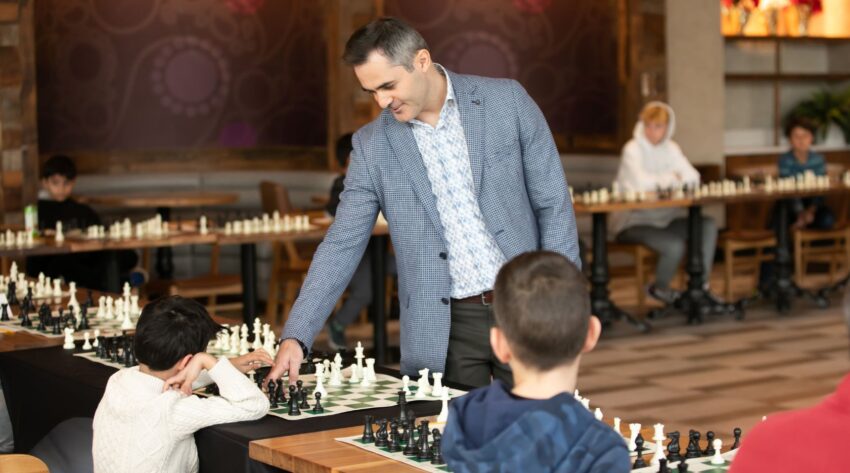
If your child plays chess seriously, sooner or later you will hear about USCF rated tournaments. For parents in the DMV area (DC, Maryland, and Virginia), there are more of these events nearby than most people realize. This guide explains what a USCF rated tournament actually is, where to find one near you, and how to pick the right first event for your child.
What Does “USCF Rated” Mean?
USCF stands for the United States Chess Federation, often called US Chess. When a tournament is “USCF rated,” every game your child plays counts toward an official national rating. This rating follows your child from tournament to tournament and shows how their skills are improving over time.
To play in a rated event, your child will need a current US Chess membership. Most tournament organizers list this requirement on their registration page, and memberships can usually be purchased at the same time you register.
Where to Find USCF Tournaments in the DMV Area
The DMV region is one of the more active chess areas in the country. A few reliable places to check for upcoming events include:
- US Chess Tournament Calendar – the official national listing, searchable by state
- Virginia Chess Federation (VCF) – lists Virginia events, including scholastic and open tournaments
- Maryland Chess Association and DC Chess League – cover events across Maryland and DC
- Local organizers such as DMV Chess, which runs regular in-person tournaments across Northern Virginia
Popular recurring events in the area include the Beltway Open, the DMV Open, and various scholastic championships held throughout the year in cities like Sterling, Herndon, and Arlington. New tournaments are added to these calendars every few weeks, so it is worth checking back often, especially in spring and summer.
How Tournament Sections Work
Most USCF tournaments are not one big group of players. They are divided into sections, so your child competes against others at a similar level. Sections are usually organized by:
- Rating, such as Under 800, Under 1200, or Under 1600
- Grade or age, common in scholastic events, such as K-3, K-5, or K-8
If your child has never played a rated game before, they are considered “unrated.” Most tournaments welcome unrated players and place them in the lowest section, or occasionally use a placement rule set by the tournament director. There is no need to wait until your child feels “ready” in terms of rating. Everyone starts unrated at some point.
What Format Should You Expect?
Almost all USCF tournaments use the Swiss system. This means players are not eliminated after a loss. Instead, everyone plays every round, and each round pairs players with similar scores. A typical weekend tournament runs four to six rounds over one or two days, with time controls that can range from fast games of 30 minutes per player to longer classical games of 90 minutes or more.
What to Bring on Tournament Day
A little preparation goes a long way for a child’s first tournament:
- A snack and water bottle for breaks between rounds
- A pencil for recording moves, if required at their level
- Their US Chess membership confirmation
- A calm mindset, since long tournament days can be tiring even for confident players
Choosing the Right First Tournament
For a first event, look for a tournament with a scholastic or beginner-friendly section, a shorter schedule, and a venue close to home. Many DMV tournaments offer single-day options specifically for newer players, which makes for a good introduction without an overwhelming time commitment.
Playing in a rated tournament is also a great way to see how lessons translate into real games. At GMChessPrep, students preparing for their first tournaments work on practical skills like time management, common openings, and staying calm under pressure, alongside regular game review. You can see what events are coming up on our upcoming tournaments page, and explore our lessons if your child wants structured tournament preparation.
Final Thoughts
USCF rated tournaments are more accessible than they might seem, and the DMV area has a steady calendar of events throughout the year. Start by checking the US Chess tournament calendar, pick a section that matches your child’s experience, and treat the first tournament as a learning experience rather than a test. The rating will follow naturally as your child keeps playing.