
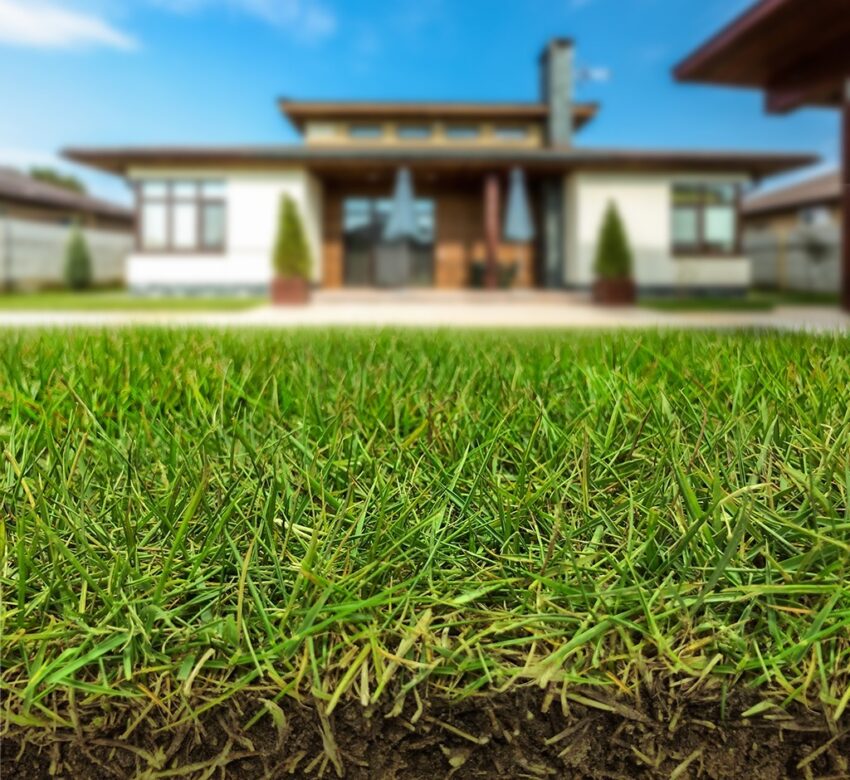
Shade is where most lawns quietly fall apart. A homeowner plants grass seed with confidence in spring, watches it thrive through May, and then watches it thin out under the maple tree by July. If you have struggled with patchy turf beneath trees, along fence lines, or on the north side of your house, you already know how frustrating that cycle can be. The good news is that zoysia sod landscaping solutions have become one of the most reliable answers for homeowners and landscapers dealing with partial shade, and understanding how to use zoysia correctly can turn a problem yard into a lawn that actually holds together.
Why Shade Is the Toughest Test for Any Lawn
Grass survives on photosynthesis, and shade cuts directly into the fuel supply. Trees and structures do more than block light. They compete for water and nutrients, they change airflow patterns, and they often create damp, cooler microclimates that favor moss and weeds over turf. Most warm season grasses were bred for open sun, so when they are asked to perform under a tree canopy, they respond with thin blades, weak root systems, and bare patches that spread a little further every season.
This is exactly why so many landscaping projects fail in shaded zones. The grass variety chosen simply was not built for the conditions it was planted in. Getting this right from the start saves years of reseeding, patching, and disappointment.
Understanding Zoysia’s Real Shade Tolerance
Zoysia grass has earned its reputation as one of the more shade tolerant warm season turf options, but it helps to be precise about what that means. Zoysia is not a shade grass in the way that fescue is. It still needs a reasonable amount of filtered or dappled sunlight to perform well, generally somewhere in the range of four to six hours a day. What sets it apart is how it handles the transition zones many yards actually have: areas that get morning sun and afternoon shade, or dappled light filtering through a tree canopy rather than deep, unbroken shade.
Its dense growth habit and fine to medium textured blades allow it to fill in low light areas more evenly than many Bermuda varieties, which tend to thin out dramatically once sunlight drops below a certain threshold. Zoysia’s slower, more deliberate growth pattern also means it handles stress, including light stress, with more resilience over time.
Choosing the Right Zoysia Variety for Shaded Areas
Not all zoysia cultivars are created equal when it comes to shade. Some varieties have been specifically developed or selected for improved performance in filtered light conditions, while others are bred primarily for full sun durability and traffic tolerance, such as sports fields or high use lawns. Before ordering sod, it is worth asking a few questions:
- How many hours of direct or filtered sunlight does the area actually receive during peak growing season?
- Is the shade seasonal, such as deciduous trees that lose their leaves in winter, or is it a permanent structure?
- Does the area drain well, or does water tend to pool after rain?
A reputable sod producer can match these answers to a specific zoysia variety rather than offering a one size fits all recommendation. This step alone prevents a large share of the shaded lawn failures that homeowners run into.
Site Preparation: The Groundwork for Shade Success
Sod is not a shortcut around proper preparation. In fact, shaded areas often need more attention before installation, not less, because the margin for error is smaller.
Start by assessing soil compaction. Shaded soil tends to stay damp longer and compact more easily underfoot, which restricts root development. Aerating the area before laying sod opens up pathways for roots to establish. Next, address drainage. Standing water in a shaded corner of the yard is a recipe for fungal disease and root rot, so grading the area to move water away from the installation site is essential.
Finally, consider whether pruning is realistic. Thinning out lower tree branches or raising the canopy by a few feet can meaningfully increase the light reaching the ground without dramatically changing the look of the landscape. Even an extra hour of filtered sun per day can make the difference between a lawn that survives and one that thrives.
Installation Tips for Shaded Zoysia Sod
Once the site is ready, installation in shaded areas follows the same core principles as full sun installation, with a few adjustments. Lay the sod in a staggered brick like pattern to avoid seams lining up, and press each piece firmly against the soil to eliminate air pockets, which are especially damaging in cooler, damper shaded ground.
Watering schedules should be monitored more closely in shade. Because evaporation is slower under a canopy, it is easy to overwater without realizing it. During the first two to three weeks, the goal is consistently moist soil, not saturated soil. Checking the ground with a finger test before each watering session helps avoid the fungal issues that shaded lawns are especially prone to.
Maintenance Practices That Keep Shaded Zoysia Thriving
Long term success depends on ongoing care that accounts for reduced light. Mowing height matters more in shade than in sun. Raising the mower blade slightly allows more leaf surface for photosynthesis, which helps the grass compensate for lower light levels.
Fertilization should also be adjusted. Shaded zoysia typically needs less nitrogen than sun grown areas, since excess nitrogen can push growth the plant cannot support given its light constraints. A lighter, more measured feeding schedule, combined with periodic soil testing, keeps the lawn balanced rather than overstimulated.
Foot traffic is another factor worth managing. Shaded turf recovers more slowly from wear than sun grown zoysia, so rotating pathways or adding stepping stones through heavily used shaded areas can prevent bare, compacted trails from forming.
Common Mistakes Homeowners Make in Shaded Lawns
Many shaded lawn failures come down to a handful of repeated mistakes: planting a full sun variety in a low light area, overwatering out of habit rather than actual need, mowing too short, and ignoring drainage issues until they become visible problems. Avoiding these missteps is often more impactful than any single product or treatment.
Combining Zoysia With Smart Landscaping Design
Shaded zoysia performs best as part of a broader design strategy rather than in isolation. Mulched beds, ground cover plantings, and hardscaping in the deepest shade pockets can reduce the pressure on turf to perform in conditions it was never meant to handle, while zoysia is reserved for the areas with enough filtered light to support it. This kind of thoughtful zoning is often what separates a shaded yard that looks intentional from one that looks like a losing battle against the trees.
Final Thoughts
Shaded yards do not have to mean thin, patchy grass and constant frustration. With the right variety selection, proper site preparation, and a maintenance routine adjusted for lower light, zoysia sod can hold its ground where many other grasses fail. For homeowners and landscapers looking for dependable, field tested zoysia sod landscaping solutions, working with an experienced producer like The Turfgrass Group makes it far easier to match the right variety to the right conditions and get a shaded lawn that actually lasts.