
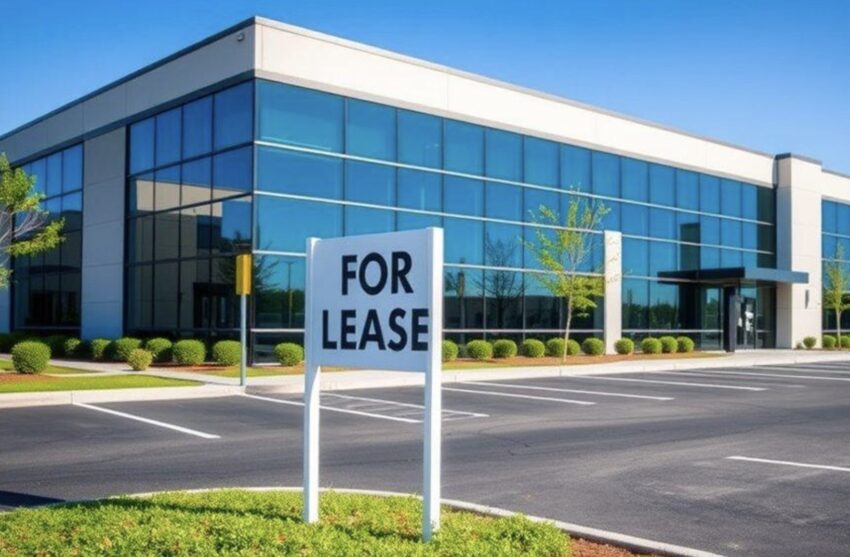
A commercial property can become vacant for many reasons. A business may move to a new location, close temporarily for renovations, or wait for a new tenant. While an empty building may seem easier to manage, vacant properties can face different risks than occupied ones.
Standard commercial property insurance may also have different rules when a building is left unoccupied for an extended period. Business owners should understand how vacancy can affect their coverage and what steps they can take to protect their property.
What Is Vacant Property Insurance?
Vacant property insurance is coverage designed for buildings that are not being used or occupied for a period of time. It can help protect the property from certain risks while it sits empty.
An occupied business usually has employees, customers, equipment, and regular activity. These people can notice problems such as leaks, fires, broken windows, or signs of damage. A vacant building does not have the same level of daily attention.
Because of this, insurance companies may view vacant properties as higher-risk properties. Some policies may limit coverage or have special conditions when a building remains vacant.
Business owners should review their policy before leaving a property empty to understand how vacancy may affect their protection.
Why Is a Vacant Property More Vulnerable?
An empty commercial building can face several risks. Without regular activity, small problems can go unnoticed and become more serious.
For example, a small water leak could continue for days or weeks before someone discovers it. A broken door or window could also make it easier for people to enter the property.
Common risks for vacant properties include:
- Theft and vandalism
- Fire
- Water damage
- Storm damage
- Broken windows
- Unauthorized entry
- Equipment damage
- Property deterioration
These risks can lead to expensive repairs. Having the right insurance coverage can help reduce the financial impact of unexpected property damage.
How Vacancy Can Affect an Insurance Policy
Business owners should not assume that their existing commercial property policy will work the same way when a building becomes vacant.
Some insurance policies include specific conditions related to vacancy. After a property has been vacant for a certain amount of time, coverage for certain losses may be limited or excluded.
The exact rules depend on the policy and insurance provider. This is why business owners should contact their insurance professional before a property becomes vacant.
Explaining the situation can help determine whether the current policy remains appropriate or whether additional coverage is needed.
What Causes a Property to Become Vacant?
A property can become vacant for many reasons. Vacancy is not always connected to a business closing permanently.
For example, a business may temporarily leave a building while completing major renovations. Another company may move to a larger facility while trying to sell its previous property.
Other common situations include:
- A business relocating
- A building waiting for a new tenant
- A property being renovated
- A business temporarily closing
- A recently purchased property awaiting improvements
- A property being prepared for sale
Each situation can create different insurance needs. Business owners should communicate changes in property use with their insurance provider.
What Can Business Owners Do to Protect a Vacant Property?
Insurance is only one part of protecting an empty commercial property. Business owners should also take practical steps to reduce the chance of damage.
Regular property inspections are important. Someone should visit the building regularly to look for signs of leaks, damage, unauthorized entry, or other problems.
Security measures can also help. Depending on the property, these may include:
- Quality door and window locks
- Security cameras
- Alarm systems
- Outdoor lighting
- Fencing
- Monitored security services
It is also important to keep the property in reasonable condition. Simple maintenance can help prevent larger problems.
For example, checking the roof, plumbing, heating and cooling systems, electrical equipment, and exterior areas can help identify problems before they become costly repairs.
Why Regular Inspections Matter
One of the biggest challenges with an empty property is that problems can remain hidden.
A leaking pipe may cause significant water damage before anyone notices. A damaged roof may allow rainwater into the building. A small electrical issue could also become a serious fire hazard.
Regular inspections give business owners an opportunity to find these issues early.
During an inspection, it can be helpful to check for:
- Water leaks
- Roof damage
- Broken windows
- Signs of forced entry
- Electrical problems
- Mold or moisture
- Pest activity
- Structural damage
Keeping records of inspections can also provide useful documentation for property management and insurance purposes.
What About Property Left Inside the Building?
A vacant building may still contain valuable items. Furniture, equipment, tools, inventory, computers, and other business property may remain inside even after employees have left.
Business owners should determine whether these items are still covered under their insurance policy.
Coverage can depend on the type of property, the policy terms, and the reason the building is vacant. Removing unnecessary items may also reduce the risk of theft or damage.
Before leaving valuable business property in an empty building, it is wise to review the policy and discuss the situation with an insurance professional.
What Happens When a Property Becomes Occupied Again?
Insurance needs can change when a vacant property becomes occupied.
For example, a new tenant may move into the building, renovations may be completed, or the business may return to the property. These changes should be reported to the insurance provider.
The type of business using the property may also affect the level and type of coverage needed. Businesses looking for commercial property insurance houston tx should also make sure their policy reflects the property’s current use and risk level.
Keeping the insurance policy updated helps ensure that the coverage reflects how the property is actually being used.
Final Thoughts
Vacant commercial properties can face risks that are different from those faced by occupied businesses. Theft, vandalism, water damage, fire, and maintenance problems can become more serious when no one is regularly using the building.
Business owners should not assume that their standard commercial property insurance automatically provides the same protection during a period of vacancy. Policy terms and vacancy conditions can vary, so reviewing coverage with an insurance professional is an important step.
Regular inspections, proper security, routine maintenance, and accurate property records can also help protect an empty building. By understanding the risks and reviewing insurance needs before a property becomes vacant, business owners can make better decisions and avoid unexpected coverage problems.