

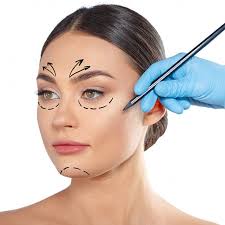
Most eyelid operations go smoothly, but a small number of patients are not fully satisfied with their results or develop a problem that needs correcting. If you are researching Eyelid surgery in Islamabad, it helps to know that revision surgery exists and what it involves. This guide explains why revisions happen, how long to wait, what a surgeon looks for, and how to make a careful decision if you feel your result is not what you expected.
What Is Revision Eyelid Surgery?
Revision eyelid surgery is a second operation performed to improve or correct the outcome of an earlier procedure. It may involve removing a small amount of remaining skin or fat, repositioning tissue, correcting asymmetry, or repairing a problem such as lid retraction. Revisions are often more delicate than the first operation because of scar tissue and altered anatomy. They are best performed by surgeons with specific experience in complex eyelid cases.
Why Might Someone Need a Revision?
Reasons include under-correction, where not enough tissue was removed and heaviness remains, and over-correction, where too much skin or fat was taken. Asymmetry between the eyes, an unnatural crease height, scarring problems, and eyelid position issues are other causes. Sometimes ageing continues and a touch-up is needed years later. Not every revision is due to a mistake. Healing is unpredictable, and some patients simply need an adjustment to reach the outcome they wanted.
Here are the common reasons at a glance:
- Under-correction: remaining hooding or bags after the first operation
- Over-correction: hollow look, lid retraction, or difficulty closing the eyes
- Asymmetry: noticeable differences in crease or lid height between the eyes
- Scar problems: thick, raised, or widened scars
- Natural ageing: new laxity developing many years after surgery
How Long Should You Wait Before Revision?
Patience is crucial. Swelling and tissue changes continue for several months, so the true result may not appear until three to six months after surgery. Most surgeons recommend waiting at least six to twelve months before considering a revision, so that scars have matured and the tissue has softened. Operating too early can lead to unpredictable results. Exceptions exist for urgent problems, such as inability to close the eye or an exposed cornea, which may need prompt treatment.
How Does the Surgeon Evaluate Your Case?
The assessment begins with a detailed discussion of your concerns and a review of your original surgery, if records are available. The surgeon examines eyelid position, skin quality, scarring, tear production, and lid closure. They compare current photographs with those before surgery and may measure the amount of skin or fat remaining. This step is essential because the best solution depends on the exact cause of your dissatisfaction. Honest feedback about what can be improved, and what cannot, is a sign of good care.
What Does Revision Surgery Involve?
The procedure is tailored to the problem. For under-correction, the surgeon may remove a modest amount of additional tissue. For over-correction or lid retraction, techniques such as scar release, grafts, or supportive procedures may be used to restore position. Asymmetry may be treated by adjusting the crease or removing small amounts of tissue on one side. The operation is usually performed under local anaesthesia with sedation, though complex cases may need general anaesthesia.
Are the Risks Higher Than the First Time?
Revision surgery generally carries slightly higher risks because scar tissue limits flexibility and the blood supply may be altered. Swelling can last longer, and results may be less predictable. This is why choosing an experienced surgeon is especially important. Be realistic about what is achievable, since perfection is not always possible. In some cases, a small improvement is the wisest goal, and surgery is not recommended if the potential benefit is minimal.
How Can You Reduce the Need for Revision?
Prevention starts with careful choices:
- Select a surgeon with proven eyelid experience and healed result photographs
- Share clear goals and bring reference photographs of your natural eyes
- Accept conservative planning rather than aggressive removal
- Follow all aftercare instructions and attend every follow-up
- Avoid smoking and sun exposure during healing
These steps do not eliminate the chance of revision, but they greatly improve your odds of a result you are happy with.
Who Should You See for a Revision?
You may choose to return to your original surgeon, who knows your anatomy and the details of the first operation, or seek a second opinion from a specialist in revision work. Either choice is acceptable. If you feel uncomfortable discussing your concerns with your original surgeon, you are entitled to see someone else. Bring any photographs, reports, and records. A respectful, experienced surgeon will listen carefully and give a balanced view.
Final Thoughts
Revision eyelid surgery in Islamabad is a second operation that corrects under-correction, over-correction, asymmetry, or scarring problems. Wait until healing is complete, usually six to twelve months, choose a surgeon with specific revision experience, and keep your expectations realistic. With patience and good advice, many concerns can be improved safely.