
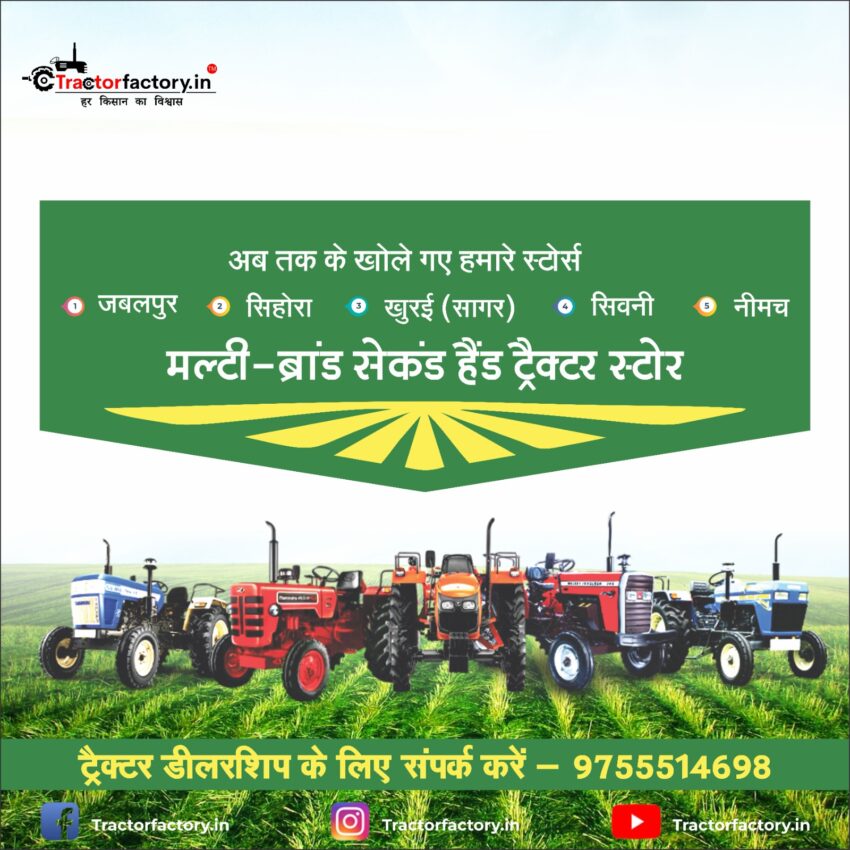
Buying a second hand tractor isn’t about cutting corners. It’s about knowing value. Anyone who has spent real time in fields understands this. A tractor earns its respect slowly, through seasons of dust, heat, and stubborn soil. When you buy a used one, you’re not buying leftovers. You’re buying a machine that has already proven it can show up every morning and do the job.
I’ve worked with new tractors that looked impressive and old ones that quietly outperformed them. Paint fades. Steel doesn’t forget its purpose. That’s why second hand tractors still matter, especially for farmers who care more about work done than shine.
Why Used Tractors Make Sense on Real Farms
Farming is expensive. Seeds, fuel, repairs, labor. The list never ends. A brand-new tractor can drain capital before it even touches the land. A second hand tractor eases that pressure. The money saved can go where it actually helps—better implements, irrigation fixes, or just breathing room during a tough season.
There’s also something reassuring about a tractor that has already been worked. Its weaknesses are known. Its quirks show early. If a tractor has survived five or ten years of field use, chances are it’s not going to surprise you in bad ways. New machines sometimes do.
On small and mid-size farms, used tractors often fit better. They’re simpler. Less electronic dependency. Easier to repair locally. And when something goes wrong, it’s usually something familiar.
What Really Matters When Choosing a Second Hand Tractor
Horsepower numbers look nice on paper, but they don’t tell the whole story. What matters is how that power reaches the ground. Check the clutch response. Listen to the engine at low RPM. That’s where real work happens.
Transmission feel is another giveaway. A smooth shift doesn’t mean new. It means cared for. If gears grind or resist, you’ll feel it immediately. Hydraulics deserve close attention too. A slow or jerky lift can turn daily work into frustration.
Tires are honest indicators. Uneven wear hints at alignment issues or overloaded use. Bald tires aren’t a deal breaker, but they should lower the price. Always.
And never ignore sound. Engines speak. A steady rhythm is good. Knocking, uneven firing, or excessive smoke usually isn’t.
Old Doesn’t Mean Outdated in the Field
There’s a belief that older tractors can’t keep up with modern farming. That’s only half true. Yes, they lack certain comforts. But comfort doesn’t plow fields. Strength does.
Older second hand tractors were built heavier. More metal. Fewer plastic components. They were designed to be fixed, not replaced. Many can still handle plowing, harrowing, hauling, and PTO work without complaint.
For farmers who don’t rely on precision electronics, older tractors are often easier to trust. No sensors to fail mid-season. No waiting weeks for specialized parts. Just mechanical systems that respond to hands and experience.
Maintenance History Tells the Real Story
A used tractor with a clean service record is worth more than a newer one that’s been neglected. Regular oil changes. Filter replacements. Timely clutch and brake work. These details matter.
Sometimes sellers don’t have written records. That’s common. In those cases, observe how the tractor was kept. Is it stored under cover? Are grease points maintained? Do bolts show signs of proper tightening rather than rushed fixes?
A tractor reflects its owner. Care shows. Neglect does too. Trust your eyes as much as words.
Pricing Isn’t Just About Age
Two tractors from the same year can have very different values. Hours worked make a difference, but so does the type of work. A tractor used for light transport ages differently than one used for heavy tillage.
Regional factors matter too. Tractors used in dry areas often age better than those exposed to constant moisture. Corrosion tells stories you can’t erase with paint.
Don’t rush price discussions. Inspect first. Then negotiate with facts. Used tractors always have room for conversation.
Second Hand Tractors for New Farmers
For someone starting out, a second hand tractor is often the smartest first step. It lowers risk. You learn what power you really need, which implements matter, and how your land behaves with machinery.
Mistakes cost less this way. And learning feels easier when you’re not afraid of scratching something expensive. Used tractors invite hands-on learning. They’re forgiving teachers.
Many experienced farmers still remember their first used tractor. Not because it was perfect, but because it taught them how farming really works.
Availability and Parts Support Still Matter
Before buying, think beyond the tractor itself. Can you find parts locally? Are mechanics familiar with that model? Some older tractors are everywhere, which makes life easier. Others are rare, which can slow repairs.
Availability doesn’t always mean popular brands only. It means community knowledge. If neighboring farmers know the machine, that’s a good sign.
A tractor that sits waiting for parts helps no one.
Trust Built Over Time, Not Fresh Paint
Fresh paint can hide a lot. Don’t let it distract you. Look beneath. Check welds. Look for oil leaks. Feel how the steering responds under load.
Second hand tractors earn trust slowly. The first season tells you more than any inspection. By the second season, you’ll know if it’s a long-term partner or just a temporary helper.
Most good used tractors don’t ask for much. Fuel. Maintenance. Respect. In return, they keep working long after their looks have faded.
Why Second Hand Tractors Will Always Have a Place
Farming isn’t about trends. It’s about results. Second hand tractors fit into that reality perfectly. They offer strength without unnecessary expense. Reliability without overcomplication.
They’ve already proven they can handle real work. And with the right care, they’ll keep doing it for years.
For farmers who value function over flash, a used tractor isn’t a compromise. It’s a confident choice.
https://indibloghub.com/post/used-second-hand-tractor-field