
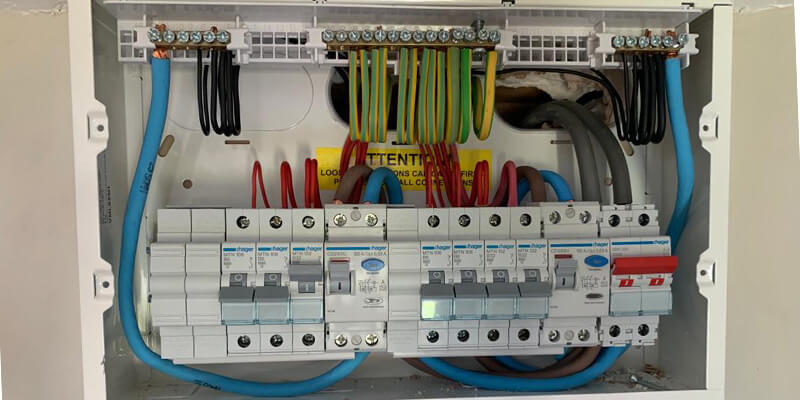
Modern new-build homes are no longer defined solely by bricks, mortar, and layout. Increasingly, their quality, safety, and long-term value are shaped by the electrical infrastructure hidden behind walls and ceilings. From well-planned wiring and compliant consumer units to fully integrated smart systems, electrical design plays a central role in how new homes function today and adapt tomorrow.
The Importance of Thoughtful Wiring Design
In new builds, wiring is more than just connecting sockets and lights. It is about designing an electrical network that supports modern living while remaining flexible for future needs. Poor planning at this stage can lead to inconvenient layouts, overloaded circuits, and expensive alterations later on.
A well-designed wiring plan considers how occupants are likely to use each space. Kitchens, for example, require multiple dedicated circuits for high-demand appliances, while home offices need reliable power and data connections. Bedrooms, living areas, and outdoor spaces all benefit from carefully positioned outlets and lighting points that reduce reliance on extension leads and adapters.
Future-proofing is another key consideration. Even if homeowners do not immediately plan to install electric vehicle chargers, solar panels, or advanced home automation, including suitable cabling routes and spare capacity during construction makes upgrades far easier and more cost-effective down the line.
Consumer Units: The Heart of Electrical Safety
The consumer unit, sometimes called a fuse box, is the control centre of a home’s electrical system. In new builds, modern consumer units are designed to meet strict safety regulations while providing efficient circuit management.
Today’s units typically include residual current devices (RCDs) and miniature circuit breakers (MCBs), or increasingly, RCBOs that combine both functions. These components protect occupants by quickly disconnecting power in the event of faults, overloads, or electrical leakage. This is particularly important in environments such as kitchens, bathrooms, and outdoor circuits where moisture increases risk.
A well-specified consumer unit also allows for logical circuit separation. Lighting, sockets, heating systems, and specialist equipment can each have dedicated protection, reducing inconvenience and improving fault diagnosis. Space within the unit for additional circuits is another hallmark of good design, ensuring the system can grow as household needs change.
Compliance and Regulations in New Builds
Electrical work in new builds must comply with national wiring regulations and building standards. These rules exist to ensure safety, energy efficiency, and reliability across all installations.
From cable types and routing to earthing and bonding, every detail is governed by standards that reduce the risk of fire, electric shock, and system failure. Certification is also a crucial part of the process, providing evidence that the installation has been tested and verified. For homeowners, this documentation is essential not only for peace of mind but also for insurance, warranties, and future property sales.
Working with qualified professionals who understand both the technical and regulatory aspects of new-build projects helps ensure that installations are completed correctly from the outset. Many developers rely on specialists such as an Electrician Southborough to coordinate electrical systems seamlessly with other trades during construction.
The Rise of Smart Systems
Smart technology has rapidly moved from luxury to expectation in many new builds. Integrated smart systems allow homeowners to control lighting, heating, security, and energy usage through smartphones, tablets, or voice assistants.
Smart lighting systems can adjust brightness and colour temperature based on time of day or occupancy, improving comfort and energy efficiency. Intelligent heating controls learn usage patterns and respond to weather conditions, helping to reduce energy bills without sacrificing warmth. Security systems now integrate cameras, alarms, and access controls into unified platforms that can be monitored remotely.
For new builds, the advantage lies in integration. Installing smart infrastructure during construction allows cables, sensors, and control panels to be neatly concealed and centrally managed. This approach is far superior to retrofitting, which can be disruptive and limited by existing wiring layouts. Collaboration with experienced professionals, such as an Electrician Westerham, ensures that smart systems are robust, secure, and compatible with future upgrades.
Energy Efficiency and Sustainability
Electrical design in new builds is closely linked to sustainability goals. Efficient wiring layouts reduce energy losses, while modern consumer units support renewable technologies such as solar PV and battery storage.
Smart systems further enhance sustainability by providing detailed insights into energy consumption. Homeowners can track usage in real time, identify waste, and adjust habits accordingly. Automated controls ensure that lighting and heating are only active when needed, contributing to lower carbon footprints and reduced running costs.
As regulations continue to evolve, energy-efficient electrical systems are becoming a standard expectation rather than an optional feature. New builds that prioritise these elements are better positioned to meet future environmental standards and buyer expectations.
Building for the Future
Wiring, consumer units, and smart systems form the backbone of a modern new-build home. When designed and installed with care, they deliver safety, comfort, efficiency, and adaptability for years to come. By investing in high-quality electrical infrastructure at the construction stage, developers and homeowners alike ensure that new homes are not only fit for today’s lifestyle but ready to embrace the technologies of tomorrow.
Also Prefer our other Article :
https://topicterritory.com/choosing-the-right-electrician-for-construction-projects/