
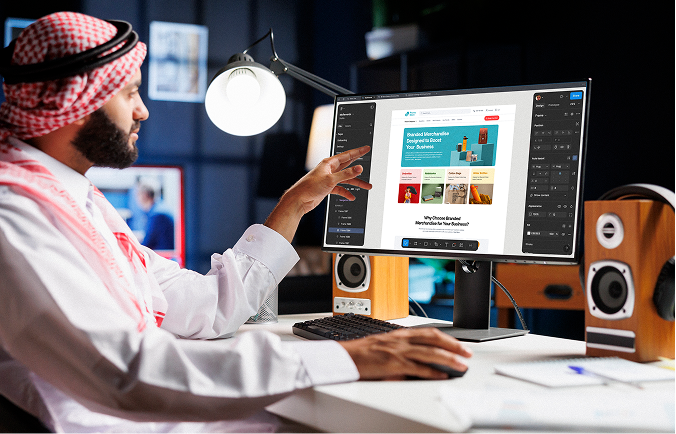
Most buyers form an opinion about your business within seconds of landing on your homepage. That opinion is set before a single email is exchanged, or a call is booked.
Your website is doing the selling before your sales team even knows a lead exists. Here are 8 elements that quietly build the trust needed to turn a visitor into a warm lead, and why a skilled website development agency in Bangalore treats them as non-negotiable, not optional polish.
- A Fast, Reliable First Impression
Load time sets the tone before a visitor reads a single word. A slow site signals a business that hasn’t invested in its own infrastructure, which raises doubts about everything else.
Sites that build early trust typically deliver:
- Load times under two to three seconds on mobile
- No layout shifts while images and scripts load
- A homepage that works cleanly on the first scroll, not just after a refresh
Even a well-designed site loses credibility fast if it stutters on a mid-range phone over a weak connection, which is how most first visits happen.
- Clear, Specific Proof of Credibility
Vague claims like “industry leader” or “trusted by many” don’t convince anyone. Specific, verifiable proof does.
Strong credibility sections usually include:
- Named client logos, not generic icons
- Real numbers: years in business, projects delivered, clients served
- Certifications or partnerships relevant to the industry
A single vague line about experience does less for credibility than one specific data point placed where visitors are already looking for reassurance.
- Genuine Customer Testimonials and Reviews
A testimonial with a full name, company, and photo carries far more weight than an anonymous quote. Visitors can spot the difference instantly, and so can search engines evaluating page quality.
Testimonials that build trust share a few traits:
- Specific outcomes, not generic praise
- Real names and, where possible, headshots
- A mix of written quotes and, when available, short video reviews
- Transparent Pricing or Process Information
Hiding pricing entirely often reads as evasive, even when there’s a legitimate reason for custom quotes. Visitors want a sense of what to expect before they commit to a conversation.
Businesses that handle this well tend to show:
- Starting price ranges or package tiers, even if the final number varies
- A clear step-by-step process for what happens after someone reaches out
- Honest timelines instead of vague promises
This kind of clarity filters out mismatched leads before your sales team spends time on a call that was never going to close.
- A Well-Designed About Page
The About page is one of the most visited pages on any site, yet it’s often the most neglected. Buyers want to know who they’re dealing with, not just what the business sells.
An About page that builds trust typically includes:
- Real team photos rather than stock images
- A founder’s story that explains the “why” behind the business
- Clear information about location, team size, and years of operation
- Security and Compliance Signals
Trust signals around data handling matter more every year, especially for businesses collecting contact details or payment information.
Visitors look for cues such as:
- A visible SSL certificate and secure checkout
- A clear, readable privacy policy, not a wall of legal text
- Compliance badges relevant to the industry, when applicable
None of these signals sell the product directly, but their absence raises quiet doubts that visitors rarely voice, they just leave instead.
- Strong, Original Visual Content
Generic stock photography is easy to spot and does little to build confidence. Original photography and design signal a business that’s invested in how it presents itself.
Elements worth prioritizing include:
- Real photos of the team, workspace, or product
- Consistent visual branding across every page
- Custom graphics or diagrams instead of recycled templates
Visitors may not consciously notice good design, but they notice the absence of it, and that gap shows up as hesitation right before a form submission.
- Search Visibility That Signals Authority
Ranking well for relevant searches is itself a trust signal. Buyers who find a business through organic search, rather than an ad, tend to arrive with a baseline level of confidence already in place.
This is where an experienced SEO agency in Bangalore adds a layer most website projects overlook:
- Content that answers real buyer questions in depth
- Technical SEO that keeps the site fast and fully indexable
- A backlink profile that reflects genuine industry relevance
Why Trust-Building Has to Happen Before the First Call
None of these eight elements close a sale by themselves. What they do is remove the doubts that would otherwise stall a lead before it ever reaches your sales team.
A visitor who lands on a slow, generic, unclear website rarely fills out a form. One who lands on a fast, transparent, well-designed site is already halfway convinced by the time they reach out.
The businesses that convert best treat their website as the first member of the sales team, not a digital brochure that sits quietly in the background. Getting the fundamentals right, from page speed to genuine proof, is what turns casual visitors into leads worth following up on.
If your website isn’t doing this work yet, the fix usually starts with an honest audit of these eight areas. Identify where trust is leaking, fix it in order of impact, and the rest of the funnel tends to perform noticeably better.
Most businesses find that two or three of these elements are quietly undermining every other marketing effort, from paid ads to cold outreach. Fixing those first, before adding new traffic sources, is often what makes existing campaigns finally start converting the way they were meant to.