
Discover the beauty and resilience of the red yucca plant — a drought-tolerant, low-maintenance succulent perfect for modern landscapes. Learn how to grow, care for, and use red yucca to enhance your garden’s appeal.
The red yucca plant (Hesperaloe parviflora) is a popular choice among gardeners seeking a hardy, drought-resistant plant that adds color and texture to any landscape. Despite its name, the red yucca isn’t a true yucca but a succulent native to Texas and northern Mexico. With its elegant, arching leaves and vibrant flower spikes, the red yucca plant delivers year-round visual appeal while thriving in hot, dry environments.
Appearance and Features
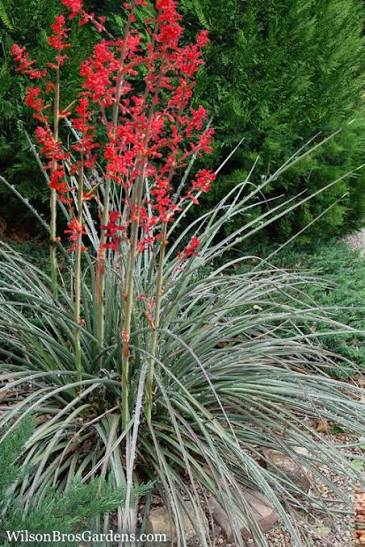
Red yucca plants grow in clumps of narrow, leathery, blue-green leaves that can reach up to three feet long. In late spring through summer, tall flower stalks emerge, sometimes reaching up to five feet in height. These stalks are adorned with clusters of tubular flowers ranging from coral-red to pink, occasionally producing yellow blooms.
The flowers are not only striking but also attract pollinators such as hummingbirds and butterflies. The plant’s foliage remains evergreen in warmer climates, making it a great option for adding structure and greenery throughout the year.
Ideal Growing Conditions
One of the red yucca plant’s biggest advantages is its adaptability. It thrives in USDA hardiness zones 5 through 11 and prefers full sun but can tolerate partial shade. The plant grows best in well-draining soil—sandy or rocky types are ideal. Once established, it can endure extreme heat, drought, and even cold snaps.
Because of its drought tolerance, the red yucca plant is a favorite for xeriscaping — a landscaping method designed to minimize water use. It also performs well in containers, along borders, or as an accent plant in rock gardens and desert-themed yards.
How to Plant and Care for Red Yucca
Planting red yucca is simple and requires minimal maintenance. Choose a sunny spot with good drainage. Dig a hole about twice as wide as the plant’s root ball, set the plant in, and backfill with native soil mixed with gravel or sand to improve drainage.
Water the plant regularly for the first few months until it’s established. After that, it requires very little water — typically once every two to three weeks during dry periods. Avoid overwatering, as this can lead to root rot.
Fertilization is rarely necessary; however, applying a balanced, slow-release fertilizer once a year in early spring can promote healthy growth. Remove spent flower stalks in late fall or winter to encourage new blooms the following season.
Benefits and Landscape Uses
The red yucca plant is more than just beautiful — it’s functional. Landscapers love it for its resilience, versatility, and ability to thrive in tough conditions. It’s deer-resistant, low-maintenance, and fire-retardant, making it an excellent choice for sustainable landscaping.
This plant pairs beautifully with agave, cactus, or ornamental grasses, adding dynamic height and movement to garden compositions. It’s also a great choice for erosion control on slopes and dry hillsides.
Where to Find Red Yucca Plants
Gardeners looking to add this hardy plant to their landscape can find red yucca plants and other drought-tolerant varieties at trusted garden suppliers like superiorhydrola.com. With the right conditions and care, the red yucca can provide decades of beauty, resilience, and environmental benefits to any outdoor space.
The red yucca plant is a perfect combination of form and function — stunning enough to be a focal point and tough enough to thrive in harsh conditions. For homeowners seeking a vibrant yet low-maintenance addition to their landscape, this desert gem is a clear winner.