
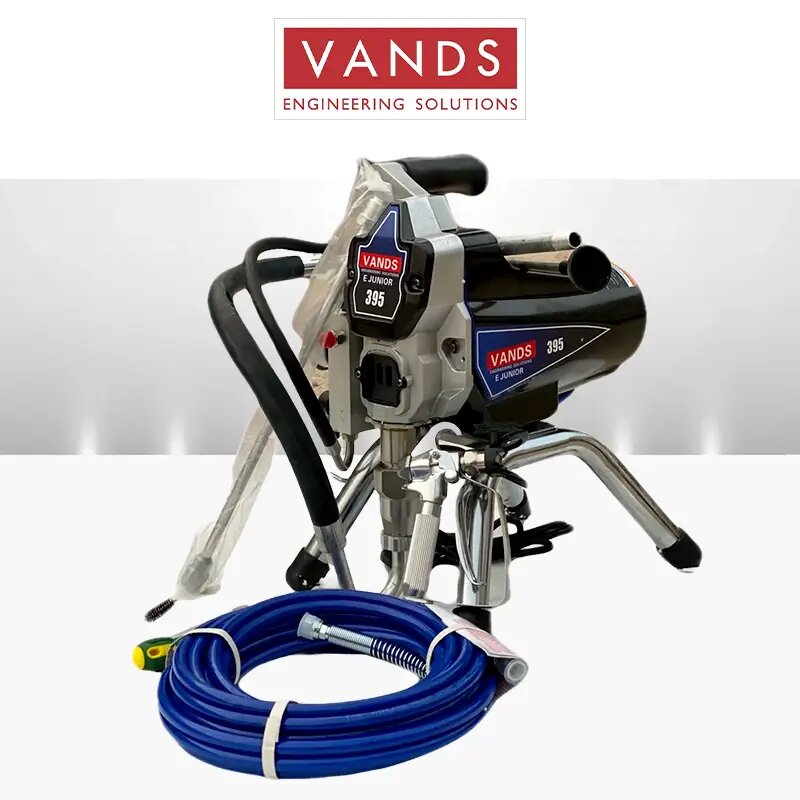
Professional painting gear is built to take a beating. Made with tough steel parts, precision valves, and strong electric motors, these machines are designed to handle heavy daily workloads. But even the toughest Electric Airless Paint Sprayer has a breaking point. If you skip regular cleaning, leftover paint will harden inside the machine and ruin it from the inside out. Running a clogged sprayer slows down your work, ruins your finish, and can easily burn out the motor.
The tricky part is that a dirty machine won’t break down the second you turn it off. The real damage happens quietly while it sits in your garage or shop. Leftover paint dries inside the pump, freezing the valves and tearing up the internal seals the next time you flip the power switch. That is why learning how to flush and clean your gear properly is the best way to protect your investment.
Electric Airless Paint Sprayer Cleaning Steps
Relieve the pressure completely
An Electric Airless Paint Sprayer operates under massive pressure—often up to 3,000 PSI. Trying to disconnect a hose or take apart the gun while the system is pressurized is incredibly dangerous. It can cause severe injuries or break the equipment. Always turn the power off, roll the pressure knob down to its lowest setting, and flip the prime/spray valve to the “prime” position to safely drain the pressure into a waste bucket. Pull the gun trigger one last time to be absolutely sure the line is empty before you unhook anything.
Flush the intake tube right after finishing
Paint starts drying the moment it stops moving. As soon as you finish spraying, pull the suction tube out of the paint bucket and wipe down the outside. Submerge the tube into a fresh bucket filled with the right cleaning fluid. Use warm, soapy water for latex paints, or mineral spirits for oil-based paints. Run the pump on prime mode for a few minutes until the fluid coming out of the drain tube changes from thick paint to completely clear water or solvent.
Clean the gun filter and spray tip separately
Your spray gun has a small mesh filter inside the handle to catch particles before they ruin your wall finish. Unscrew the guard from the front of the gun, remove the spray tip, and pull the filter out of the handle. Use a nylon brush soaked in cleaner to scrub away any stuck paint. Never use a metal wire or a pin to poke through the tiny hole in the spray tip; metal tools can easily scratch and reshape the opening, which will completely ruin your spray pattern.
Check the main filter screen
Most professional sprayers have a second, larger filter built right into the main machine block. Unscrew the filter cap, slide the mesh cylinder out, and check it for buildup. If dried paint covers more than 10 percent of the screen, it blocks the flow of paint and forces the motor to work twice as hard to maintain pressure. If a good soak in the cleaner doesn’t open up the holes, throw the filter away and put in a new one.
Protect the internal ball valves
The heart of your Electric Airless Paint Sprayer relies on small steel or ceramic balls that move up and down to push the paint forward. If a thin layer of paint dries on these parts, the balls get stuck. When this happens, the machine won’t prime or will lose pressure while you are spraying. If your pump won’t pull water or paint after sitting for a while, use a wooden dowel to gently tap the intake valve free from the bottom of the suction housing—never use a sharp metal screwdriver that could scratch the smooth interior.
Use a storage fluid to protect the pump
Leaving plain water or solvent inside your pump during storage causes rust, pitting, and dries out the internal leather seals. Once the machine runs completely clear, pump a specialized storage fluid or a light machine oil mix directly into the system. This fluid pushes out any leftover moisture, lubricates the seals, and keeps the internal parts from freezing together before your next job.
Keeping Your Paint Sprayer in Top Shape
A good Electric Airless Paint Sprayer that is cleaned correctly, flushed after every use, and protected from rust will give you smooth, beautiful finishes for years. On the other hand, leaving a machine unwashed or storing it with water in the lines is a quick way to ruin an expensive tool.
Take a few minutes to look over your equipment after every project. Clean your filters on a strict schedule. And the moment you put down your spray gun for the day, start your cleaning routine without waiting.
Vands Engineering Solutions supplies high-quality coating, shot blasting, and surface preparation equipment built for tough construction and industrial projects. Our product range includes reliable options designed to handle everything from standard home paints to heavy protective coatings. If you need a replacement unit, want to upgrade your current setup, or need friendly advice on picking the right model for your business, get in touch with the team at Vands Engineering Solutions today by visiting the Electric Airless Paint Sprayer product page.
Frequently Asked Questions
Q: Can I use paint thinner to clean water-based latex paint out of my machine?
A: No. If you mix paint thinner or mineral spirits directly with water-based latex paint, the paint will instantly turn into a thick, gooey sludge. This sticky mess will badly clog your hose, pump, and filters. Always use warm, soapy water first for latex paints, and only use solvents if you are spraying oil-based products.
Q: How can I tell if the internal filters are clogged while I’m painting?
A: Watch your spray pattern. If you notice the paint fan getting narrow or leaving heavy lines at the top and bottom edges (called “fingers”), or if the pump keeps running continuously even when you let go of the trigger, a filter is blocked. Safely drain the pressure, pull out the filters, and clean away the trapped debris before you keep going.
Q: Is there a set number of hours before I need to replace the pump seals?
A: No, there is no fixed timeline. How long your seals last depends on the type of paint you use, your operating pressure, and how clean you keep the machine. Thick, heavy primers wear out seals much faster than thin, smooth lacquers. Keep an eye out for any paint leaking down the front of the pump block—that is your clear sign that it is time for a rebuild kit.
Q: How should I store my sprayer for the cold winter months?
A: Never leave plain water inside the pump if the machine is stored where it can freeze. Frozen water expands and can easily crack the heavy metal pump housing. Flush the system completely, then pump standard storage fluid or standard automotive windshield washer fluid into the machine until it fills the internal chambers before putting it away.