
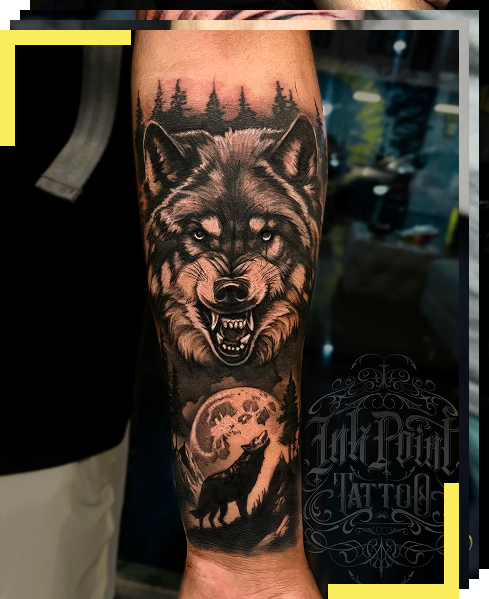
A mandala is more than a collection of intricate lines and geometric patterns. Inspired by circular forms, symmetry, and repeating details, mandalas have become a popular source of tattoo inspiration for people who appreciate both visual balance and deeper symbolism. A mandala tattoo can be highly personal, with its shapes, details, size, and placement adapted to represent an individual’s ideas, experiences, or aesthetic preferences.
Although mandala-inspired body art is often associated with spirituality and meditation, modern designs can also be appreciated simply for their geometry and artistic quality. Understanding the history, symbolism, design possibilities, and practical considerations can help you make a thoughtful choice before getting one.
Understanding the Meaning Behind Mandala Designs
The word “mandala” is commonly associated with a circle and comes from Sanskrit, where it relates to concepts such as a circle, center, or entirety. Mandala patterns appear in several cultural and spiritual traditions, particularly within Hindu and Buddhist contexts.
Traditionally, mandalas can represent ideas such as balance, harmony, unity, wholeness, and the relationship between the individual and the wider universe. Their circular structure often draws attention toward a central point, surrounded by layers of increasingly detailed patterns.
When adapted into body art, these concepts can take on a personal meaning. Someone may choose a mandala to symbolize personal growth, inner balance, a period of transformation, or a desire for greater harmony in life. Others may simply enjoy the visual structure and symmetry of the design.
It is important to remember that tattoo symbolism is personal. A design does not have to represent one fixed idea, and its meaning can be shaped by the person wearing it.
What Makes a Mandala Tattoo Visually Distinctive?
The most recognizable characteristic of mandala artwork is symmetry. Patterns generally develop outward from a central point, creating repeated shapes that produce a balanced appearance.
Radial Symmetry
Radial symmetry means that elements are arranged around a central point. When applied to tattooing, this structure can create an especially striking effect because the design appears balanced from different directions.
Repeating Patterns
Petals, circles, triangles, leaves, dots, lines, and geometric shapes can be repeated throughout a design. These elements can be kept simple for a minimalist appearance or developed into highly detailed artwork.
Fine Line and Dotwork
Fine lines are frequently used to create the delicate structure of mandala artwork. Dotwork can also be incorporated to add shading, texture, and gradual transitions between different sections of the pattern.
Combining these techniques allows artists to create different visual effects while maintaining the central symmetry of the design.
Popular Mandala Tattoo Design Ideas
There are many ways to personalize a mandala-inspired tattoo. The design does not necessarily have to follow one traditional pattern.
Floral Mandalas
Flowers and mandala geometry work naturally together. Lotus-inspired forms, petals, leaves, and other botanical details can soften the geometric structure while adding symbolic depth.
Geometric Mandalas
For people who prefer precise and structured artwork, geometric mandalas can emphasize circles, triangles, lines, polygons, and repeating mathematical patterns. These designs can look particularly effective when carefully adapted to the body’s natural contours.
Mandala and Dotwork
Dotwork can provide subtle gradients and texture without relying heavily on solid shading. Small dots can gradually become denser or lighter, helping create depth within different sections of the design.
Mandala With Other Elements
A mandala can also be combined with elements such as animals, celestial imagery, ornamental patterns, or meaningful symbols. The additional elements can help transform a traditional geometric concept into a more individual composition.
Choosing the Right Placement
Placement is an important part of planning a mandala tattoo because the shape and symmetry of the artwork need to work with the body’s natural contours.
Forearm
The forearm provides a relatively accessible area for medium-sized designs. A circular mandala can be positioned so that the artwork remains clearly visible while following the length of the arm.
Upper Arm and Shoulder
The shoulder and upper arm provide a curved surface that can work well for larger compositions. Artists can adapt the design so that the circular structure follows the body’s shape instead of appearing flat.
Back
The back provides substantial space for larger and more detailed mandalas. A centered design can emphasize the natural symmetry of the body.
Chest
The chest can accommodate both symmetrical and customized compositions. However, the design should be carefully planned around the body’s contours and existing features.
Thigh
The thigh offers enough space for detailed artwork and allows larger designs to be developed without forcing too many elements into a small area.
Before deciding on placement, consider the tattoo’s intended size, visibility, level of detail, and how the skin moves in that particular area.
How Size Affects the Design
Size is not simply an aesthetic decision. It can influence how much detail can be included and how clearly the tattoo will age over time.
A small mandala may need simplified patterns because extremely fine details can become difficult to distinguish when compressed into a small area. Larger designs provide more room for intricate linework, layered patterns, shading, and additional elements.
A good design should therefore balance the desired level of detail with the available space. Instead of trying to fit a highly complex pattern into a very small area, it can be better to simplify the composition and preserve its overall clarity.
Planning a Custom Mandala Tattoo
A successful custom design usually begins with a conversation about the person’s preferences and expectations. Consider what you want the tattoo to represent, whether you prefer geometric or organic patterns, and how detailed you want the finished piece to be.
The artist can then consider factors such as:
- Preferred size and placement
- Symmetry and overall proportions
- Line thickness
- Shading and dotwork
- Additional symbols or imagery
- The natural movement of the body
- Long-term readability of the design
A professional consultation also provides an opportunity to discuss whether an existing design needs to be modified to suit the chosen body area.
What to Consider Before Getting Inked
Before committing to a mandala tattoo, research the style and examine examples of completed work rather than choosing a design solely because it looks attractive in a digital image.
You should also consider the artist’s experience with detailed linework and symmetrical compositions. Precision is particularly important because even small inconsistencies can become noticeable in highly structured patterns.
Hygiene should be another priority. A professional tattoo environment should use appropriate sterilization procedures, fresh needles, safe equipment, and suitable hygiene practices. Ask questions if you are uncertain about any part of the process.
Finally, think about aftercare. Following the artist’s instructions during the healing period helps protect the tattoo while the skin recovers.
Do Mandala Tattoos Age Well?
The longevity of any tattoo depends on several factors, including ink placement, line thickness, skin characteristics, sun exposure, and aftercare. Highly detailed tattoos require thoughtful spacing because extremely close lines may become less distinct as the tattoo ages.
Sun protection can also help preserve the appearance of tattooed skin. Regularly protecting healed tattoos from excessive ultraviolet exposure can help reduce premature fading.
An experienced artist can take long-term readability into consideration during the design stage by balancing detail, spacing, and line weight.
Finding the Right Approach in Thailand
Thailand is home to a diverse tattoo culture, with studios offering contemporary tattoo styles alongside traditional Southeast Asian approaches. For someone considering a mandala tattoo, choosing an artist should involve more than location alone.
Look through portfolios to see whether the artist has experience creating symmetrical designs, precise linework, geometric patterns, or dotwork. Pay attention to healed examples when available, as they can provide a better understanding of how the artist’s work develops over time.
For visitors to destinations such as Koh Phangan and Koh Samui, planning ahead can also be useful. A consultation gives you an opportunity to discuss the concept, placement, size, and expected session time before beginning the tattoo.
Final Thoughts
A mandala tattoo can combine visual complexity with personal symbolism, making it a versatile choice for people interested in geometric and meaningful body art. From floral patterns and dotwork to larger symmetrical compositions, there are many ways to adapt the concept to individual preferences and body placement.
For those exploring this style in Thailand, Inkpoint Tattoo Studio provides a setting where mandala designs can be discussed, customized, and developed with attention to symmetry, linework, placement, and personal intention. Taking time to research the style, communicate clearly with an artist, and understand the practical aspects of tattooing can help you make a more informed decision.
Ultimately, the strongest mandala designs are not simply detailed—they are thoughtfully planned to suit both the person wearing them and the body on which they are created.