

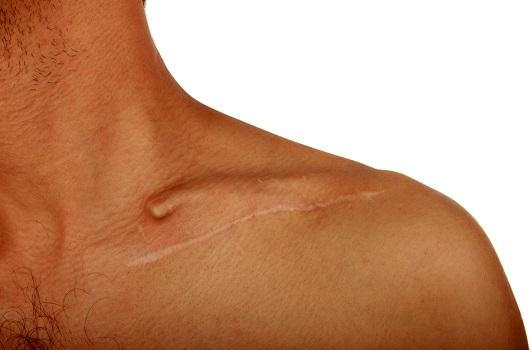
Many people hesitate to ask about scar surgery because they live with diabetes, high blood pressure, or another long-term condition, and they assume they will be turned away. In reality, many health conditions do not rule out treatment, but they do change how it is planned. If you are exploring Surgical Scar Revision in Islamabad and have a medical condition, this article explains how it may affect safety, healing, and timing.
Why Health History Matters
Surgery asks the body to heal, and healing depends on blood supply, immunity, nutrition, and control of underlying disease. When a condition is well managed, most people heal almost as well as anyone else. When it is poorly controlled, risks of infection, wound separation, and wide scars rise. This is why your surgeon will ask many questions about your health, and why honest answers are a safety measure and not an intrusion.
Diabetes
Diabetes is one of the most common concerns. High blood sugar impairs the white cells that fight infection and slows the growth of new tissue. People with well-controlled diabetes can often have scar surgery safely, and surgeons may ask for a recent blood test that shows your long-term sugar control. If your control is poor, your doctor may ask you to improve it first, which can reduce risks considerably. Close monitoring around the procedure is part of the plan.
Hypertension and Heart Conditions
High blood pressure should be controlled before any elective surgery, since high pressure raises the risk of bleeding and bruising. Heart conditions need an assessment by a cardiologist, particularly if sedation or general anesthesia is planned. Never stop prescribed heart or blood pressure medicines on your own. Your surgeon and anesthetist will tell you exactly what to take on the day. Small procedures under local anesthesia often carry little extra risk.
Blood Thinners and Bleeding Problems
Medicines such as aspirin, clopidogrel, and warfarin affect bleeding, and surgeons may need to adjust them with your physician’s agreement. Bleeding disorders also require special planning. Do not stop these medicines without medical guidance, since stopping can be dangerous for some patients. A complete list of medicines, including supplements and herbal products, helps the team plan safely.
Smoking and Respiratory Problems
Smoking narrows blood vessels and reduces oxygen reaching the wound, leading to delayed healing and wider scars. Surgeons often ask patients to stop several weeks before and after the procedure. Asthma and chronic lung disease matter mainly if sedation or general anesthesia is planned, and your inhalers should be continued as directed. Being honest about smoking, including nicotine pouches and vaping, allows proper planning.
Autoimmune Disease and Steroid Use
Conditions such as lupus, rheumatoid arthritis, and psoriasis can affect healing, and medicines such as long-term steroids thin the skin and slow recovery. Your surgeon may coordinate with your specialist to adjust treatment around the procedure. Psoriasis can also appear in new scars, a reaction known as the Koebner phenomenon, so discussing it beforehand is useful. Some people may be advised to wait until their condition is stable.
Kidney, Liver, and Anemia Concerns
Kidney and liver disease can affect healing, drug handling, and bleeding. Anemia reduces oxygen delivery to tissues and may need correction through iron or diet before surgery. Basic blood tests help identify these problems early. Treating them first is not a delay but a way to make the operation safer and the scar better.
Pregnancy and Breastfeeding
Elective scar surgery is generally postponed during pregnancy. After delivery, many surgeons prefer waiting until breastfeeding is established and the body has recovered, since some medicines and anesthetics need consideration. Planning the timing with your doctor ensures both your safety and your baby’s. For scars from a caesarean, waiting also lets the scar mature.
How to Prepare If You Have a Condition
Bring a list of your diagnoses, medicines, and recent test results. Ask your regular doctor for a letter or clearance if you are advised to. Keep your sugar, blood pressure, and other measures as steady as possible in the weeks before surgery. Follow instructions about fasting and medicines precisely. Good communication between your doctors makes the process smoother.
Final Thoughts
Having diabetes, high blood pressure, or another long-term condition does not automatically rule out surgical scar revision, but it does call for careful assessment, good control, and honest communication. A surgeon who asks detailed questions is protecting you, not making excuses. A consultation will tell you whether it is safe to proceed now or whether some preparation should come first. Be open about your history, and let safety guide the timing.