

Introduction
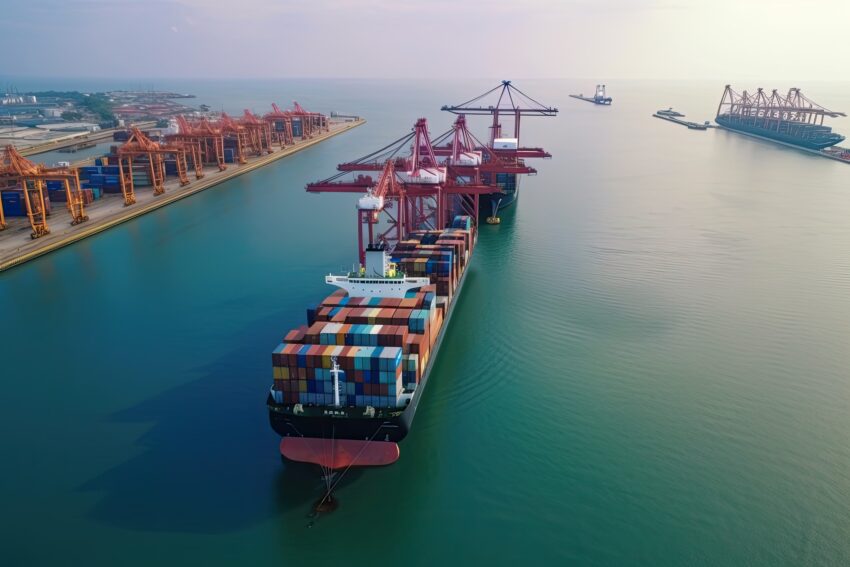
Walk through any port and you will see the scale of modern trade. Rows of stacked containers wait to board ships bound for every continent. Behind each box, a business is counting on freight forwarding services to get its goods there safely, on time and on budget. Ocean freight carries most of the world’s trade by volume, according to UNCTAD figures. It is slower than air, yet far cheaper per unit for bulky or heavy cargo. That balance explains why importers, exporters and online sellers rely on it every day.
Moving a container across oceans involves bookings, paperwork, customs checks and several handovers. A good forwarder takes that complexity off your desk, which saves time and stress. This guide explains how ocean shipping works, where forwarders add value and how to pick the right partner. Read it before your next shipment, and you will avoid the delays that catch many first-time shippers.
What Freight Forwarding Services Actually Do
Freight forwarding services arrange the movement of goods between a seller and a buyer, usually across borders. A forwarder books space with shipping lines, prepares documents, coordinates trucking at both ends and handles customs filings. Think of the forwarder as a project manager for your shipment. They rarely own the ships. Instead, they use their carrier contracts, local knowledge and systems to keep cargo moving, and they give you one point of contact when plans change.
Why Ocean Freight Carries Most Global Trade
Ships move far more cargo per voyage than any plane or truck. A single large container vessel can carry thousands of containers, which keeps the cost per unit low. That makes sea transport the natural choice for furniture, machinery, raw materials, food and consumer goods. The trade-off is time. Transit takes weeks rather than days, and schedules can shift with weather or port congestion. Plan ahead, and ocean freight rewards you with excellent value on larger volumes.
FCL or LCL: Choosing the Right Container Option
Full container load, or FCL, means your goods fill a container on their own. It suits larger shipments and usually brings faster handling and less risk of damage. Less than container load, or LCL, lets you share space with other shippers and pay only for the room you use. It works well for smaller orders, though the cargo is handled more often and can wait for consolidation. Compare both options against your volume, budget and delivery date before you book.
Paperwork That Keeps Cargo Moving
Ocean shipments rely on accurate documents. The commercial invoice and packing list describe the goods and their value. The bill of lading acts as the receipt for your cargo and the contract with the carrier. Carriers also require a verified gross weight for each container before loading. A single typing error can hold a container at the port, so check every detail twice. Good freight forwarding services review drafts before they go to the shipping line.
Customs, Compliance and Cargo Insurance
Every country sets its own import rules, duties and restrictions. Correct product codes, origin details and licences help cargo clear customs without delay. Insurance deserves equal attention. Carriers limit their liability under international conventions, so their cover rarely matches the real value of your goods. Cargo insurance fills that gap and protects you against loss or damage at sea. Many freight forwarding services arrange cover for you, so ask them to explain what each policy covers, and which events fall outside it.
How a Logistics Company Fits Into the Chain
A logistics company looks at the whole supply chain, not just one journey. It may run warehouses, manage inventory and plan transport across several modes. A forwarder focuses on moving cargo between points, while a wider logistics company connects that movement with storage and delivery. Some firms offer both under one roof, so ask each provider which roles it covers. For growing businesses, that can simplify contracts and give clearer visibility from factory floor to customer door.
Logistics Services Beyond the Port
Ocean freight ends at the destination port, but your customer waits further inland. That is where logistics services such as customs brokerage, trucking, warehousing and last-mile delivery come in. Bundling them with your sea freight reduces handovers and the chance of lost time. Ask for one combined quote, so you can compare costs fairly. Ask whether your provider also manages container returns. Late returns can trigger detention charges, which quietly add to the final bill and surprise many new importers.
How to Choose the Right Freight Partner
Compare freight forwarding services by their experience on your trade lane and your type of cargo. Ask how the team handles delays, rolled bookings and customs holds. Look for clear quotes that separate ocean freight, port fees and surcharges. Check for membership of recognised industry bodies, and request references from similar clients. Reliable forwarders also answer questions quickly. A responsive team at the quote stage usually stays responsive when problems appear.
Expert Tips
- Book early, because space tightens in peak seasons.
- Share accurate weights, dimensions and product details from the start.
- Agree the Incoterms rule with your buyer or seller, so everyone knows who pays for what.
- Track your container and tell your forwarder about any change straight away.
Common Mistakes to Avoid
Choosing freight forwarding services on price alone is the classic error, because a low quote often hides port fees and surcharges. Another is underestimating transit time, which leaves stock short and customers waiting. Incomplete or inconsistent documents can hold cargo at customs for days. Skipping cargo insurance exposes you to costs the carrier will not cover. Finally, ignoring storage and container return deadlines turns small delays into expensive ones. A quick check before each booking prevents most of these problems.
Conclusion
Ocean shipping gives businesses a cost-effective route to global customers, but it works best with expert support. Freight forwarding services handle bookings, paperwork and customs so your cargo keeps moving. A reliable logistics company connects those steps with storage and delivery, while the right logistics services reduce delays at every handover. Plan early, check your documents and compare providers carefully.