

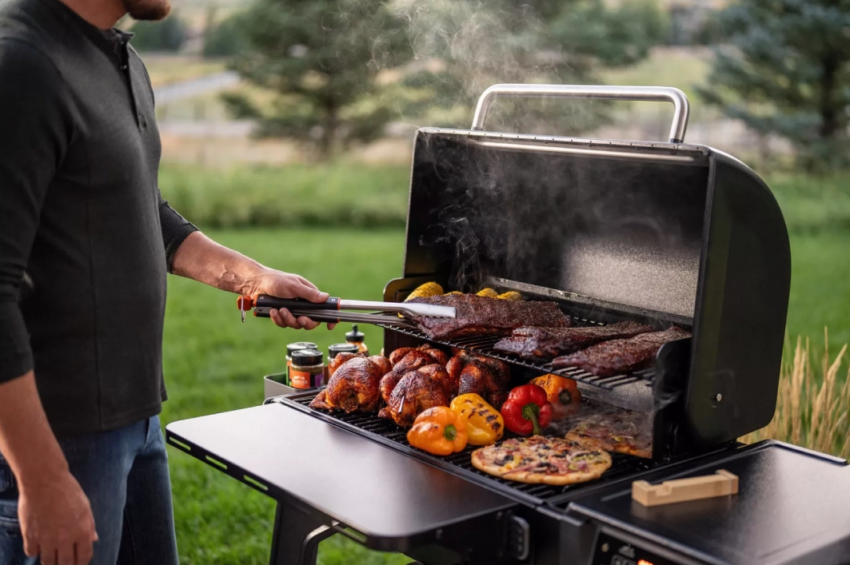
Pellet grills make outdoor cooking convenient by combining wood-fired flavor with consistent temperature control. However, if your smoked brisket, ribs, or chicken lacks that rich smoky taste, a few adjustments can make a noticeable difference.
Getting more smoke flavor does not necessarily mean producing more visible smoke. The type of wood pellets, cooking temperature, food preparation, and cooking time all influence the final result. With the right techniques, you can develop deeper BBQ flavors without making your cooking routine complicated.
1. Choose the Right Wood Pellets
Wood pellets are one of the biggest factors affecting smoke flavor. Different wood varieties produce different flavor profiles, so choosing the right one for your food can improve your results.
-
Hickory: Provides a bold, traditional BBQ flavor that works well with beef and pork.
-
Apple: Offers a milder, slightly sweet smoke that pairs nicely with chicken and pork.
-
Cherry: Adds a subtle fruity character and works well with poultry and ribs.
-
Oak: Delivers a balanced smoke flavor suitable for many types of meat.
-
Mesquite: Produces a strong, distinctive flavor that can be overpowering if used excessively.
For beginners, oak, apple, or a suitable blend can be a good starting point. Experiment with different varieties to discover which flavors you prefer.
Always use food-grade pellets recommended for your grill. Store them in a cool, dry place to protect them from moisture.
2. Cook at a Lower Temperature When Appropriate
Lower-temperature cooking often allows more time for smoke exposure, particularly during the early stages of smoking. This can help develop the flavor you want in foods such as brisket, pork shoulder, and ribs.
Many pellet grill owners start smoking suitable cuts at approximately 180–225°F before increasing the temperature if their recipe calls for it.
However, lower temperatures do not automatically guarantee better flavor. Smoke production varies by grill design, controller settings, fuel, and operating conditions. Follow your grill’s instructions and maintain safe cooking temperatures.
3. Give Your Food Enough Time to Absorb Smoke
Smoke flavor develops over time, especially on larger cuts of meat. A brisket or pork shoulder generally benefits from a longer cooking session than thin chicken breasts or vegetables.
For larger cuts, allow the cooking process to progress according to a reliable recipe rather than rushing to finish the meat. Smaller foods usually need less smoke exposure and can become overly smoky if left on the grill too long.
Remember that internal temperature and tenderness matter more than following a fixed cooking time. Use a reliable thermometer to check doneness.
4. Prepare Your Meat Before Smoking
Seasoning and surface preparation can improve the overall flavor of smoked food.
A simple dry rub made with salt, black pepper, paprika, garlic powder, and other preferred spices works well for many BBQ recipes. Apply it evenly and allow enough time for the seasoning to adhere to the meat.
Some pitmasters leave the surface of larger cuts uncovered in the refrigerator for a limited period to help dry the exterior. A suitable surface can support better bark development during smoking.
Avoid excessive moisture on the surface immediately before cooking. You generally do not need to soak meat in water to make it absorb more smoke.
5. Keep Your Pellet Grill Clean
A dirty grill can interfere with performance and produce unwanted flavors. Grease buildup, excessive ash, and a dirty firepot can affect airflow and combustion.
To maintain your grill:
-
Remove ash according to the manufacturer’s instructions.
-
Clean grease-management components regularly.
-
Inspect the firepot and air passages.
-
Check that pellets feed consistently.
-
Keep the grill’s temperature sensor clean as directed.
Always switch off and unplug the grill when required, and allow it to cool completely before cleaning. Regular maintenance helps support consistent operation and reduces the risk of grease fires.
6. Avoid Using Too Much Smoke
More smoke is not always better. Thick, persistent, dirty smoke can produce bitter or unpleasant flavors rather than the clean, wood-fired taste most BBQ enthusiasts want.
A properly operating pellet grill should burn fuel as designed and maintain adequate airflow. If you notice unusually heavy smoke, poor temperature control, or a strong acrid smell, consult the manufacturer’s troubleshooting guidance.
Focus on clean combustion, suitable pellets, and appropriate cooking temperatures instead of trying to maximize visible smoke.
7. Choose the Right Grill for Your Cooking Style
Not every pellet grill performs the same way. Features such as temperature range, controller design, cooking area, airflow, and construction can affect how a grill suits your recipes.
If you are comparing outdoor cooking equipment, reading a BBQGuys review can help you research available grills and accessories before deciding which setup fits your needs.
Look beyond marketing claims and compare practical features, warranty terms, maintenance requirements, and customer feedback.
Final Thoughts
Getting more smoke flavor from your pellet grill comes down to a few essential practices: choose suitable wood pellets, allow enough cooking time, prepare your food properly, and keep your grill clean.
Start with a mild or balanced wood variety and experiment with lower-temperature smoking when appropriate for your recipe. Avoid excessive smoke, monitor internal temperatures, and maintain your equipment regularly.
With a little practice, you can achieve richer BBQ flavors and make your pellet grill an even more useful part of your outdoor cooking setup.