

Hip pain can affect everyday activities such as walking, climbing stairs, sitting for long periods, or getting out of bed. It may develop gradually because of joint wear and tear or appear suddenly after an injury. Although occasional discomfort may improve with rest, persistent or worsening pain should not be ignored.
Understanding the possible causes of hip pain can help you recognise when professional evaluation is necessary and make informed decisions about treatment.
What Are the Common Causes of Hip Pain?
The hip is a major weight-bearing joint that supports movement and stability. Pain may originate in the joint itself, surrounding muscles, tendons, or nearby structures.
Common causes include:
1. Osteoarthritis
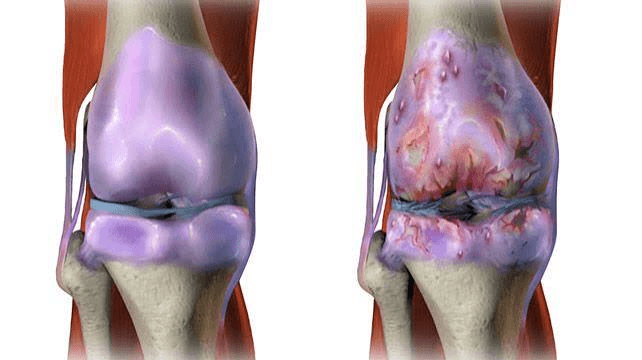
Osteoarthritis occurs when the protective cartilage within a joint gradually wears down. It may cause stiffness, reduced mobility, and discomfort that becomes more noticeable during walking or other physical activities.
2. Muscle or tendon injuries
Overuse, sudden movements, or exercise without adequate preparation can strain the muscles and tendons around the hip. Symptoms may include tenderness, swelling, or pain during specific movements.
3. Bursitis
Bursae are small, fluid-filled sacs that help reduce friction around joints. Inflammation of these structures near the hip can cause pain, particularly when lying on the affected side or walking.
4. Hip fractures
A fracture may occur after a fall, an accident, or a relatively minor injury in someone with weakened bones. Sudden, severe pain and difficulty bearing weight require urgent medical assessment.
5. Referred pain
Sometimes, discomfort felt around the hip originates in the lower back or other nearby structures. A clinical examination can help identify the likely source.
Symptoms You Should Not Ignore
Hip pain can vary from mild stiffness to severe discomfort. Pay attention to symptoms such as:
-
Pain during walking, standing, or climbing stairs
-
Stiffness after waking up or sitting for a long time
-
Reduced hip movement or difficulty bending
-
Tenderness around the hip or groin
-
Pain that interferes with sleep
-
Persistent discomfort that gradually worsens
Seek urgent medical care if severe pain begins suddenly, you cannot put weight on the leg, or symptoms follow a significant fall or injury. Fever, redness, or unusual warmth around a painful joint also warrants prompt assessment.
How Is Hip Pain Diagnosed?
An orthopaedic specialist will usually review your symptoms, medical history, daily activities, and any previous injuries. A physical examination may assess joint movement, muscle strength, tenderness, and walking patterns.
Depending on the findings, investigations such as X-rays, ultrasound, or MRI may be recommended. Not everyone needs advanced imaging; the choice depends on the suspected cause and clinical assessment.
Consulting a best orthopedic clinic can help you access an appropriate evaluation and a treatment plan based on your individual needs.
Treatment Options for Hip Pain
Treatment depends on the underlying condition, the severity of symptoms, and your general health.
Activity modification: Temporarily reducing activities that aggravate the pain may help the affected tissues recover.
Physiotherapy: Guided exercises can improve flexibility, strength, balance, and joint function when appropriate.
Medication: A clinician may recommend suitable pain-relief medication after considering your medical history and potential risks.
Lifestyle adjustments: Maintaining a healthy weight, choosing supportive footwear, and adapting exercise routines may reduce stress on the hip joint.
Surgical treatment: Surgery may be considered for selected conditions, including certain fractures or advanced joint damage, when other suitable treatments do not provide adequate relief.
If symptoms persist, an Orthopaedic Surgeon in Indiranagar can assess whether further investigations or specialist treatment are appropriate.
When Should You Visit an Orthopaedic Clinic?
Consider arranging an appointment if your hip pain continues for several days without improvement, repeatedly returns, limits normal activities, or is accompanied by increasing stiffness or reduced mobility.
An experienced clinician at an orthopaedic clinic in bangalore can help determine the likely cause and explain suitable treatment options. Early evaluation may also help identify conditions that need more specific care.
For people seeking Orthopaedic Treatment in Indiranagar, the right approach begins with understanding the source of the pain rather than relying solely on temporary symptom relief.
Can Hip Pain Be Prevented?
Not every hip condition is preventable, but certain habits can support joint health:
-
Perform regular, low-impact physical activity.
-
Warm up before exercise and increase activity gradually.
-
Strengthen the muscles supporting the hips and legs.
-
Maintain a healthy body weight.
-
Avoid pushing through persistent pain.
-
Take precautions to reduce falls, especially as you get older.
Conclusion
Hip pain can result from several conditions, ranging from muscle strain to arthritis or fractures. Recognising persistent symptoms, seeking timely assessment, and following an appropriate treatment plan can help protect mobility and support recovery.
If hip pain affects your daily routine, consult a qualified orthopaedic professional to identify its cause and discuss the next steps for care.