

Kidney and bladder problems in children are more common than many parents realise. Some are present from birth, while others develop during childhood because of infections, bowel habits, or structural differences in the urinary tract. Children cannot always describe what they feel, so symptoms are easily missed or mistaken for ordinary behaviour. Early recognition and appropriate treatment protect kidney function, prevent long-term damage, and help children grow comfortably and confidently.
How the Urinary System Works in Children
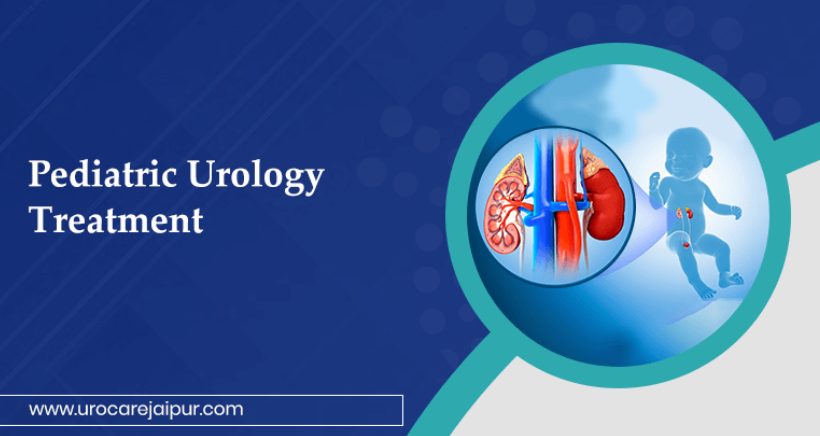
The urinary system includes two kidneys, two ureters, the bladder, and the urethra. The kidneys filter waste and extra fluid from the blood to make urine. The ureters carry urine to the bladder, where it is stored until the child is ready to pass it through the urethra. A problem at any point in this pathway can cause pain, infection, abnormal urination, or reduced kidney function.
Urinary Tract Infections
Urinary tract infections are among the most frequent childhood problems, particularly in girls and in infants with structural abnormalities. Symptoms vary with age. Babies may show only fever, poor feeding, irritability, vomiting, or foul-smelling urine. Older children may complain of burning during urination, frequent urges, lower abdominal pain, or new daytime wetting. Infection that reaches the kidneys can cause high fever, back or flank pain, and tiredness. Treatment involves a course of suitable antibiotics, plenty of fluids, and a urine test to confirm recovery. Children with repeated infections need further evaluation to find the underlying cause.
Vesicoureteral Reflux
In vesicoureteral reflux, urine flows backward from the bladder toward the kidneys. This happens when the valve-like connection between the ureter and bladder does not work properly. Many children have no symptoms except repeated urinary infections. Diagnosis usually involves ultrasound and a special bladder imaging study. Mild cases often improve with growth and may need only observation or low-dose preventive medication. Severe or persistent reflux may require a minor endoscopic injection or surgical correction to protect the kidneys from scarring.
Hydronephrosis and Blockages
Hydronephrosis refers to swelling of the kidney caused by a build-up of urine. It is often detected on pregnancy ultrasound before birth. A common cause is a blockage at the junction where the kidney meets the ureter. Many mild cases settle without treatment and are monitored with periodic scans. When the blockage is significant, symptoms such as flank pain, infections, or reduced kidney function may appear, and a corrective operation called pyeloplasty is commonly performed. Modern minimally invasive and keyhole techniques allow quicker recovery.
Kidney Stones
Once considered rare in children, kidney stones are being seen more often, partly because of dietary habits and low water intake. Symptoms include severe pain in the side or abdomen, blood in the urine, nausea, vomiting, and painful urination. Small stones may pass naturally with fluids and pain relief. Larger stones may require shock wave therapy, telescopic removal, or laser treatment. Doctors also look for metabolic or inherited causes so that new stones can be prevented.
Bedwetting and Daytime Wetting
Occasional bedwetting is common in children up to the age of five to seven and often runs in families. It becomes a concern when it continues beyond that age or begins suddenly after a dry period. Daytime wetting, frequent urgency, or holding urine for long periods may point to an overactive bladder or poor toilet habits. Constipation is a major hidden contributor because a full bowel presses on the bladder. Treatment focuses on regular toilet routines, adequate fluids, treating constipation, bedwetting alarms, and, in selected cases, medication. Patience and positive encouragement matter more than punishment.
Neurogenic and Dysfunctional Bladder
Some children have a bladder that does not store or empty properly because of nerve problems, such as those linked to spina bifida or spinal conditions. Others develop dysfunctional voiding, where the muscles do not relax during urination. These children may have weak or interrupted streams, infections, and leakage. Management may include timed voiding, bladder training, medication, clean intermittent catheterisation, and sometimes surgery to protect the kidneys.
Other Congenital Conditions
Posterior urethral valves, a condition in boys where tissue blocks the urethra, can cause a weak stream and serious kidney damage if untreated. Undescended testicles, hypospadias, and duplicated kidney systems are other conditions that fall under paediatric urology. These problems are best identified early and managed by a specialist team.
Warning Signs Parents Should Not Ignore
Parents should seek medical advice promptly if a child shows any of the following:
- Fever without an obvious cause, especially in infants
- Burning, pain, or crying during urination
- Blood in the urine or cloudy, foul-smelling urine
- Swelling of the face, legs, or abdomen
- Poor urine stream or constant dribbling
- Repeated infections or persistent wetting beyond the expected age
- Poor growth, tiredness, or high blood pressure
Diagnosis and Specialist Care
Evaluation begins with a detailed history, physical examination, urine tests, and blood tests for kidney function. Ultrasound is the most common imaging tool because it is safe and painless. Additional studies are used only when needed. Families looking for Pediatric Urology treatment in Jaipur can find child-friendly diagnostic services, minimally invasive surgical options, and complete follow-up care within the city. Consulting the Best Urologist in Jaipur helps parents obtain an accurate diagnosis, a clear explanation of treatment choices, and a plan suited to the child’s age and condition.
Conclusion
Kidney and bladder problems in children range from simple infections and bedwetting to complex structural conditions, but most respond well when identified early. Awareness of symptoms such as fever, painful urination, abnormal stream, blood in urine, and persistent wetting allows parents to act before complications develop. With accurate diagnosis, appropriate medication, lifestyle changes, or surgery when necessary, children can achieve healthy kidney function and normal bladder control. Families seeking Pediatric Urology treatment in Jaipur should consult the Best Urologist in Jaipur to ensure safe, compassionate, and effective care for their child’s long-term wellbeing.