
The thought of getting a dental implant can make some people nervous, especially when they imagine drilling, surgery, or the recovery period. If you have missing teeth, it is completely natural to wonder, “Will dental implants hurt?”
The good news is that modern dental implant treatment in Nagpur is generally performed with local anaesthesia, so you should not feel pain during the surgical procedure. Some soreness, swelling, or mild discomfort can occur afterward, but these symptoms are usually manageable and gradually improve as healing takes place.
Understanding what actually happens during treatment can make the process feel much less intimidating.
What Is a Dental Implant?
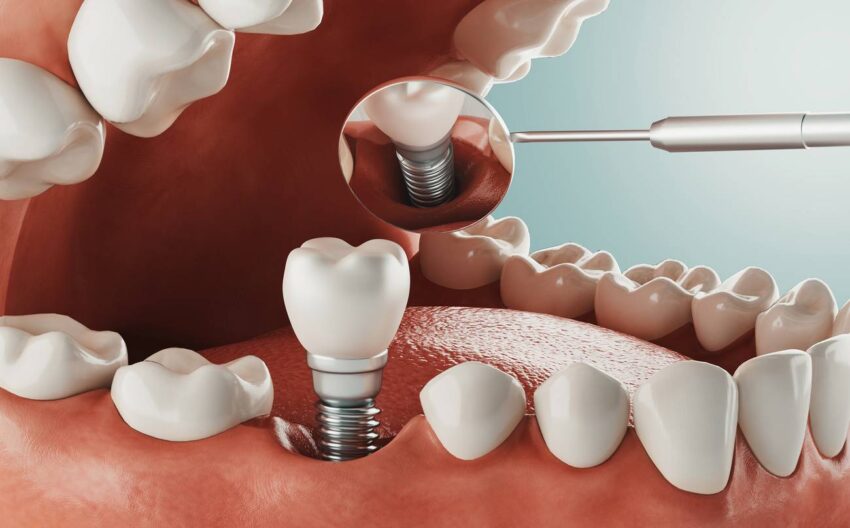
A dental implant is a small, biocompatible post that is placed into the jawbone to replace the root portion of a missing tooth. Once the implant integrates with the bone, it can support a dental crown, bridge, or other restoration.
Unlike a removable denture, an implant-supported tooth is designed to provide a more stable replacement for the missing tooth.
However, dental implants are not suitable for everyone immediately. A dentist needs to evaluate your gums, jawbone, overall oral health, and the location of the missing tooth before recommending treatment.
Does Dental Implant Treatment Hurt?
During the procedure, the treatment area is numbed using local anaesthesia. This means you should not experience sharp pain while the implant is being placed.
You may notice pressure, movement, or vibrations during certain parts of the procedure, but pressure is different from pain.
After the anaesthesia wears off, some discomfort is expected. The amount can vary depending on factors such as the number of implants placed, the complexity of the procedure, the condition of the jawbone, and your individual healing response.
Your dentist will provide instructions for managing discomfort after treatment.
What Happens During Dental Implant Treatment?
Understanding the stages can help you know what to expect.
1. Initial Consultation
The process usually begins with a detailed dental examination. Your dentist assesses the condition of your teeth, gums, and jawbone.
Dental X-rays or 3D imaging may be recommended to understand bone structure and plan the implant placement accurately.
If there is insufficient bone in the intended area, additional procedures may sometimes be required before implant placement.
2. Implant Placement
Once the treatment plan is finalised, the implant is placed into the jawbone under appropriate anaesthesia.
The procedure itself may take different amounts of time depending on the individual case. The dentist focuses on positioning the implant appropriately so that it can heal and integrate with the surrounding bone.
3. Healing and Osseointegration
After placement, the jawbone gradually bonds with the implant surface. This biological process is known as osseointegration.
This healing stage is important because it provides the foundation for the final restoration. The exact healing time differs between individuals and depends on factors such as bone quality, general oral health, and the type of treatment performed.
4. Attaching the Final Tooth
Once the implant has healed sufficiently, the dentist can proceed with the next stage of restoration. An abutment may be connected to the implant, followed by a custom-made crown or other restoration.
The final result is designed to restore both appearance and useful chewing function.
What Is Recovery Like?
Mild swelling and soreness are common after implant surgery. Some people may also experience temporary bruising or sensitivity around the treatment area.
These symptoms generally improve as healing progresses.
Following your dentist’s post-operative instructions can make recovery easier. You may be advised to eat softer foods initially, maintain careful oral hygiene, avoid disturbing the surgical area, and attend scheduled follow-up appointments.
It is important not to compare your recovery directly with someone else’s. Every patient’s treatment and healing response can be different.
When Should You Contact Your Dentist?
Some discomfort after surgery is expected, but you should contact your dental professional if pain becomes severe, continues to worsen, or is accompanied by symptoms that concern you.
Your dentist can determine whether the healing process is progressing normally or whether additional care is needed.
Do not ignore persistent problems simply because you assume they are part of recovery.
Who May Need Dental Implants?
Dental implants can be an option for people who have lost one or more teeth because of decay, injury, gum disease, or other causes.
However, successful implant treatment depends on several factors. Adequate bone support, healthy gums, good oral hygiene, and appropriate treatment planning are important considerations.
People who are searching for dental implants near Nagpur should have a proper dental evaluation rather than assuming implants are automatically the right choice.
Choosing the Right Dental Implant Specialist
Experience and treatment planning matter when considering dental implant dentistry. A dental implant specialist or appropriately trained dental professional can assess your individual situation, explain the procedure, discuss alternatives, and set realistic expectations.
If you are looking for a nearby dental clinic in Nagpur, consider factors such as the dentist’s experience, diagnostic facilities, treatment approach, sterilisation standards, follow-up care, and how clearly the treatment is explained.
An experienced Welldent Dental Clinic can be considered as one option for discussing your dental implant requirements and understanding whether implants are appropriate for your particular case.
Tips for a Smoother Recovery
While your dentist’s instructions should always take priority, some general practices can support recovery:
- Follow the prescribed medication and aftercare instructions.
- Avoid unnecessarily touching the surgical area.
- Choose foods that are comfortable to chew during the initial recovery period.
- Maintain good oral hygiene as advised by your dentist.
- Avoid smoking, as it can interfere with healing.
- Attend follow-up appointments as recommended.
- Contact your dentist if you notice unusual or worsening symptoms.
Frequently Asked Questions
1. Are dental implants more painful than tooth extraction?
Not necessarily. Both procedures can cause some discomfort during recovery, but pain levels vary significantly between individuals and procedures. Dental implant placement is performed under anaesthesia to minimise discomfort during treatment.
2. How many days does pain last after a dental implant?
Mild soreness is commonly experienced during the initial recovery period and should gradually improve. The duration varies depending on the complexity of treatment and individual healing. If pain becomes worse rather than better, contact your dentist.
3. Can I eat normally after getting a dental implant?
You may need to choose softer foods initially and avoid putting unnecessary pressure on the treated area. Your dentist will advise you when and how to gradually return to your normal diet.
4. How long does a dental implant take to heal?
Healing and integration of the implant can take several weeks to months, depending on the individual case. Factors such as bone quality and whether additional procedures were required can influence the timeline.
5. Are dental implants suitable for everyone with missing teeth?
Not automatically. Your dentist needs to assess your jawbone, gums, oral hygiene, overall dental condition, and other relevant factors. If implants are not immediately suitable, alternative treatments or preparatory procedures may be discussed.
Final Thoughts
So, are dental implants painful? The procedure itself is generally not painful because the treatment area is properly anaesthetised. Some soreness and swelling afterward are normal parts of healing, but these symptoms are usually manageable.
If you are considering dental implant treatment in Nagpur, focus on understanding the complete process rather than worrying only about pain. A proper evaluation, carefully planned treatment, clear aftercare instructions, and appropriate follow-up can make the experience more predictable and comfortable.
Most importantly, discuss your concerns openly with your dentist. Knowing what to expect before, during, and after treatment can help you approach dental implant treatment with greater confidence.
Article Source : Are Dental Implants Painful?