
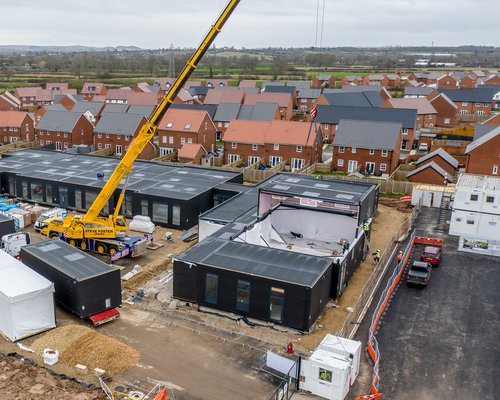
Construction waste remains a major challenge across the UK building industry. From unused materials and damaged supplies to excessive packaging and demolition debris, waste can significantly increase project costs and environmental impact. With sustainability becoming a priority for developers, contractors, and homeowners, reducing waste on construction sites is no longer optional—it’s essential.
By implementing smarter planning, efficient resource management, and modern construction practices, building companies can minimise waste while improving profitability and project efficiency. Here are some practical ways to reduce construction waste on UK building sites.
Why Reducing Construction Waste Matters
Construction waste affects both businesses and the environment. Excess materials often end up in landfills, contributing to pollution and increased disposal costs. At the same time, wasted materials represent money that could have been invested elsewhere in the project.
Key benefits of reducing construction waste include:
- Lower material purchasing costs
- Reduced landfill and disposal fees
- Improved site organisation
- Enhanced environmental sustainability
- Better compliance with UK waste regulations
- Increased project efficiency and profitability
Plan Materials Accurately
One of the most effective waste-reduction strategies begins before construction starts. Poor planning often results in over-ordering materials, which can create unnecessary surplus and disposal issues.
Project managers should use accurate measurements, digital estimation tools, and detailed project schedules to determine exactly what materials are required. Building Information Modelling (BIM) and other construction software solutions can help improve accuracy and reduce costly mistakes.
When materials are ordered correctly from the beginning, there is less risk of excess stock being discarded at the end of the project.
Store Materials Properly
Many building materials become waste simply because they are damaged during storage. Exposure to rain, moisture, extreme temperatures, or poor handling can make materials unusable.
To prevent this:
- Store materials in designated areas
- Use weatherproof coverings
- Keep timber and insulation dry
- Organise deliveries to avoid overcrowding
- Inspect stored materials regularly
Proper storage protects valuable resources and reduces replacement costs.
Encourage Material Reuse
Before disposing of leftover materials, construction teams should explore opportunities for reuse. Many materials can serve a purpose elsewhere on the same site or future projects.
Common reusable materials include:
|
Material |
Potential Reuse |
|
Timber offcuts |
Framing, supports, temporary structures |
|
Bricks and blocks |
Landscaping or minor repairs |
|
Metal components |
Fabrication projects |
|
Doors and windows |
Refurbishment projects |
|
Concrete rubble |
Aggregate for groundwork |
Reusing materials helps reduce purchasing expenses while limiting landfill contributions.
Implement On-Site Recycling Systems
A well-organised recycling programme can significantly reduce construction waste. Workers should have access to clearly labelled bins that separate materials for recycling.
Typical recyclable materials include:
- Wood
- Metal
- Cardboard
- Plastic
- Glass
- Concrete
When waste streams are separated correctly, more materials can be recycled and diverted away from landfill sites. Partnering with licensed recycling providers ensures materials are processed responsibly.
Reduce Packaging Waste
Packaging waste often accumulates quickly on construction sites. Plastic wrapping, cardboard boxes, and protective coverings can account for a substantial percentage of total site waste.
Construction companies can reduce packaging waste by:
- Ordering materials in bulk
- Working with suppliers that use recyclable packaging
- Returning pallets and containers to suppliers
- Choosing products with minimal packaging
These small changes can produce significant waste reductions over the course of a project.
Train Employees on Waste Management
Workers play a critical role in waste reduction. Even the best waste management strategy will struggle if employees are unaware of proper procedures.
Training should focus on:
- Correct material handling
- Efficient cutting and installation techniques
- Recycling procedures
- Storage best practices
- Waste reduction goals
When employees understand the financial and environmental impact of waste, they are more likely to follow sustainable practices.
Adopt Modern Construction Methods
Modern construction techniques can dramatically reduce material waste compared to traditional building methods. Off-site manufacturing and modular construction allow components to be produced in controlled environments where materials are used more efficiently.
Advantages include:
- Improved material accuracy
- Less site waste
- Faster project completion
- Better quality control
- Reduced transportation requirements
As these methods continue to gain popularity across the UK, they are becoming valuable tools for sustainable construction.
Monitor and Measure Waste
Construction companies cannot improve what they do not measure. Tracking waste volumes throughout a project provides valuable insights into where improvements can be made.
A simple waste monitoring system should record:
|
Metric |
Purpose |
|
Material purchased |
Identify over-ordering |
|
Material used |
Measure efficiency |
|
Waste generated |
Track disposal levels |
|
Recycled materials |
Evaluate sustainability performance |
|
Disposal costs |
Monitor financial impact |
Regular reviews help identify trends and support continuous improvement efforts.
Work with Experienced Construction Professionals
Successful waste reduction requires careful planning and experienced project management. Professional contractors understand how to optimise material usage, improve site logistics, and implement effective waste management strategies throughout the building process. Whether working with Builders Crowborough, Builders Tonbridge, or Builders Sevenoaks, selecting experienced professionals can help ensure projects are completed efficiently while minimising environmental impact.
Conclusion
Reducing construction waste on UK building sites benefits both the environment and project budgets. Through accurate planning, proper storage, material reuse, recycling initiatives, employee training, and modern construction methods, contractors can significantly reduce waste while improving overall efficiency.
As sustainability continues to shape the future of the construction industry, companies that prioritise waste reduction will be better positioned to meet regulatory requirements, lower operational costs, and deliver environmentally responsible projects. By making waste management a core part of every project, the UK construction sector can move towards a more sustainable and resource-efficient future.
Also Prefer our other Blog:
https://www.biz411.org/articles/step-by-step-kitchen-refurbishment-process-explained